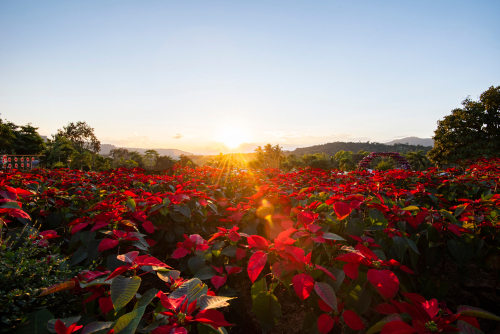
In its native Mexico, the Poinsettia blooms from November to January, depending on where it’s growing. These plants are “short-day” beauties, meaning they only start budding when they get an even split of 12 hours of light and 12 hours of darkness. Here in the States and over in Europe, we usually have to give nature a little helping hand to recreate those perfect dark conditions.
The Real Stars of the Show
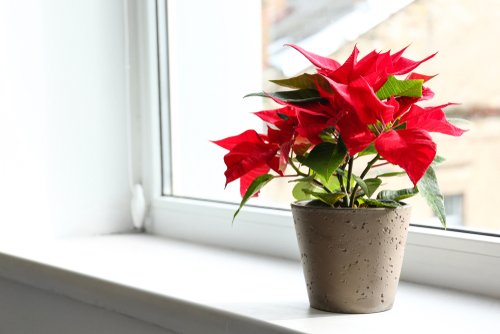
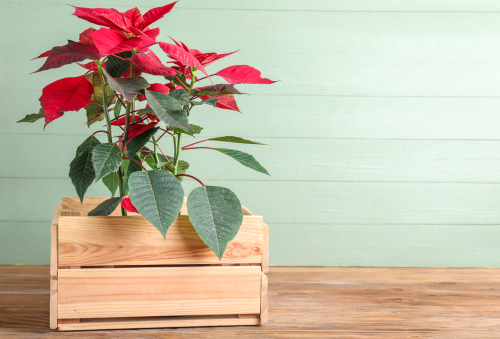
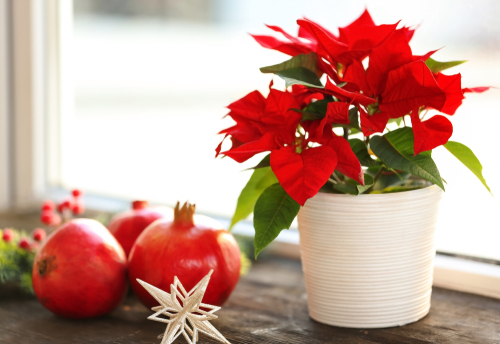
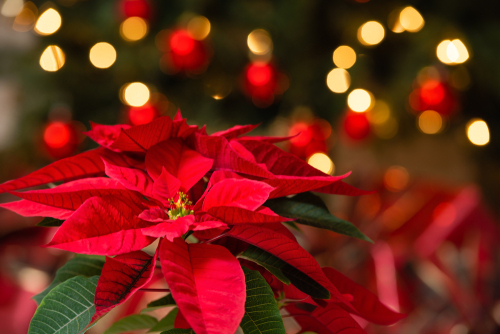
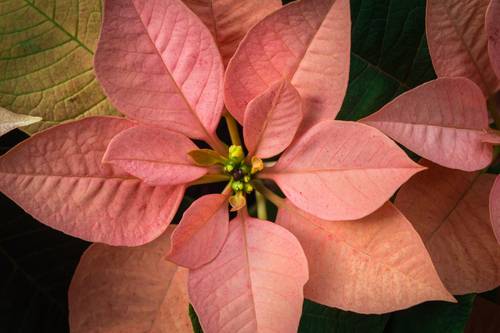
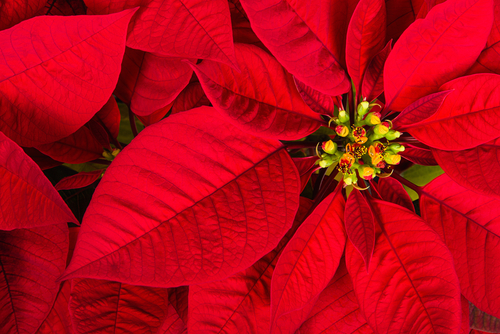
Most people point to those vibrant, colorful leaves and call them “flowers,” but those are actually called bracts. The Poinsettia’s true flowers are way more low-key. If you look closely between those bright leaves, you’ll see tiny, greenish-yellow clusters. These are actually groups of very simple male and female flowers hanging out together.
A Rainbow of Bracts
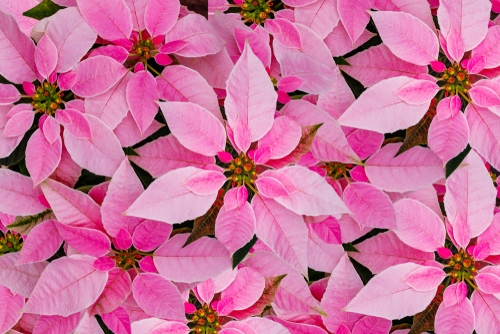
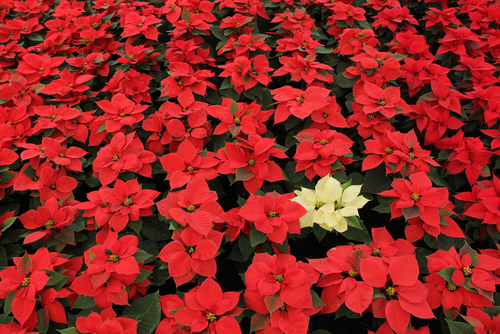
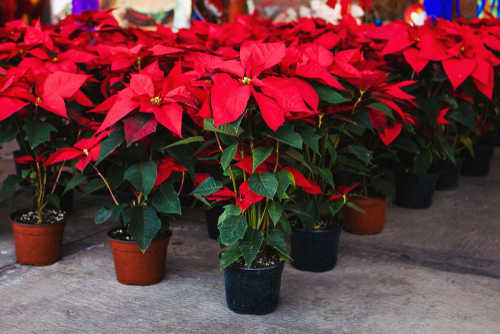
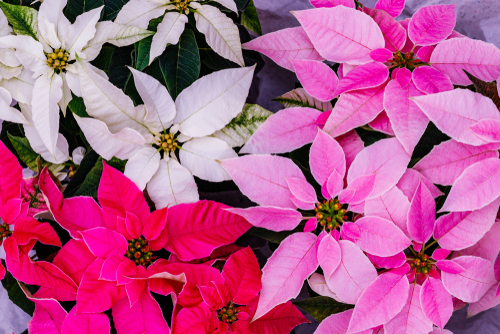
While classic red is the go-to, breeders have been busy! You can now find Poinsettias in a huge variety of colors to match any holiday decor:
- Red (in every shade imaginable)
- Rose
- Salmon
- Creamy white
- Variegated (usually a mix of red/pink and white)
- Orange
- Hot pink
You might even spot blue Poinsettias at the store. Just a heads-up: that blue isn’t natural! It’s created using a plant-safe dye, often topped off with a little gold or silver glitter for extra holiday sparkle.
In the wild, those bright red bracts have a job to do: they act like a neon sign to attract pollinators. Interestingly enough, scientists still aren’t 100% sure which specific animals handle the pollination duties!
How to Get a “Re-Bloom” Next Year
Most people toss their Poinsettias once the holidays are over, but you don’t have to! With a little TLC, you can keep yours growing on the balcony or in the garden over the summer. Follow a few simple tricks, and it’ll be back in its full glory just in time for next Christmas.
Care Tips
After the holidays, move your plant to a warm, bright spot away from direct sunlight. Water it moderately using room-temperature rainwater if you can. Once March rolls around, give your Poinsettia an eight-week “nap” by cutting back significantly on the water. In late April, prune the plant back to about 6 to 8 inches tall and start watering more regularly again—just make sure it doesn’t get “wet feet” (standing water). This is also the time to start using fertilizer every two weeks.
When fall hits, your Poinsettia needs shorter days. It needs exactly 12 hours of light followed by 12 hours of total, pitch-black darkness. A warm storage room that only gets natural daylight works great for this. Just make sure no lamps or streetlights reach it after sunset! If you want to be safe, you can cover the plant with a cardboard box or light-proof foil every evening. After about eight weeks of this routine, those beautiful colored bracts will start to reappear.