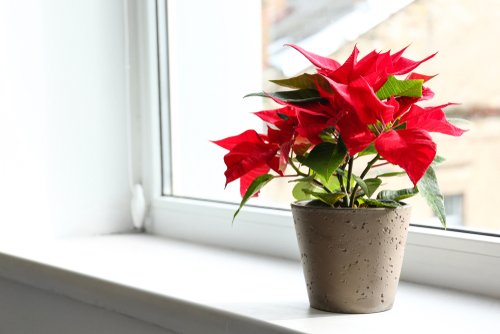
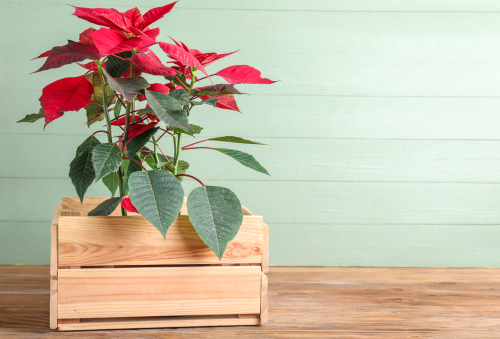
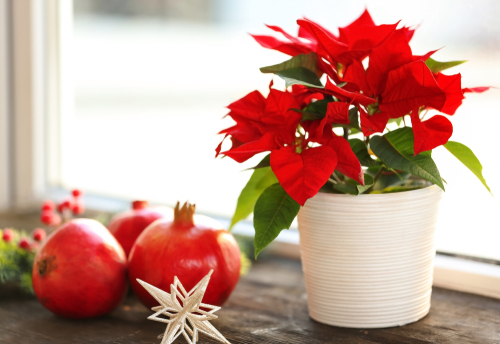
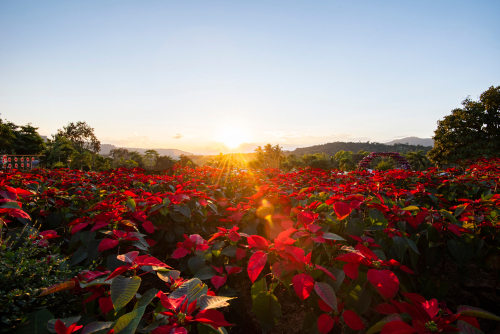
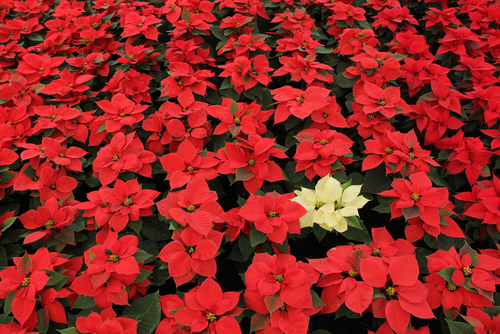
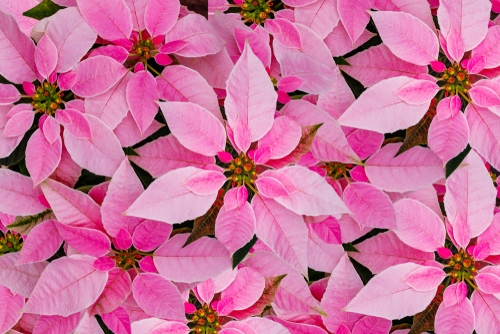
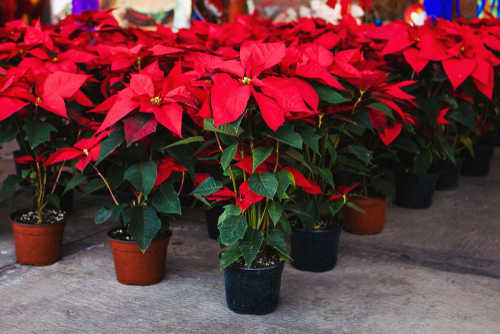
It’s a huge misconception that Poinsettias are just “one-and-done” holiday decorations. Sadly, millions of these festive plants end up in the trash every January, even though they can totally bloom again year after year with just a little TLC.
How to Get Your Poinsettia to Bloom Again
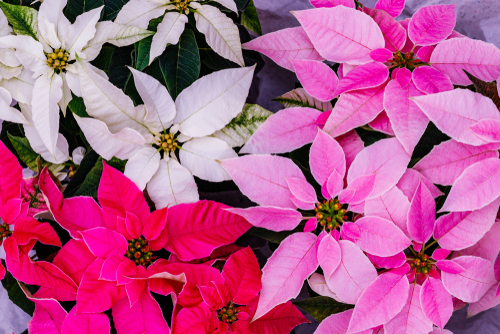
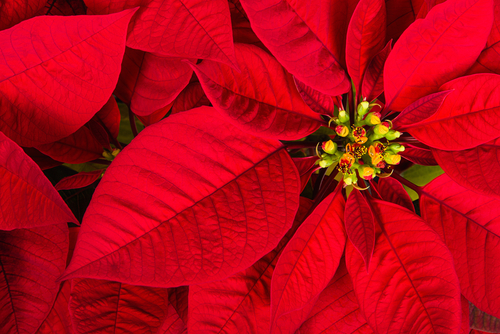
Poinsettias are actually tropical plants native to the equatorial regions. In the wild, they grow in forests where they get filtered light. The secret to those iconic red leaves (which are actually bracts, not petals!) is a very specific, consistent 12-hour cycle of light and dark. To get your plant to turn red by November, you have to mimic those tropical conditions. Commercial greenhouses actually use blackout curtains to trick the plants into “blushing” just in time for the holiday rush.
The good news? You can totally pull this off at home with a little bit of effort. Here’s the game plan to get your plant from last year looking festive again.
How much darkness does it really need?
You’ll want to start the “dark phase” around the end of October. For about six to eight weeks, your Poinsettia needs a strict schedule: 12 hours of light and 12 hours of total darkness. You can move the plant into a pitch-black closet every evening, or if you don’t have the space, just pop a large cardboard box over it. It has to be completely dark—even a little bit of street light or a hallway lamp can mess up the process. Once the bracts start changing color, you can move it back to a bright, warm spot. Just try to avoid direct, scorching sun or placing it right on top of a hot radiator.
Step-by-Step to Those Gorgeous Red Leaves
If you’ve got a healthy Poinsettia and want to keep it happy until the next season, start by keeping those current red leaves looking good as long as possible. Here’s what they love:
- A bright, warm spot
- Staying away from dry heater vents
- Moderate watering with lukewarm water
- Never sitting in soggy soil (drainage is key!)
- Frequent misting with a spray bottle
Eventually, those red bracts will fade and drop. Don’t panic! This is when you scale back the watering and let the plant go into a “rest phase” until about May. Once spring hits and you see new growth, it’s time for some action:
- Prune the stems back to about 8 inches (20 cm)
- Start watering more regularly
- Keep it in a consistent spot away from direct midday sun
- Feed it with fertilizer once a week
By the time fall rolls around, it’s time for that 12-hour darkness routine again. Keep up with the watering, stay consistent for about eight weeks, and you’ll be rewarded with a stunning, homegrown holiday display!