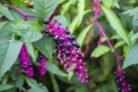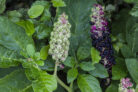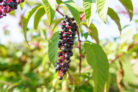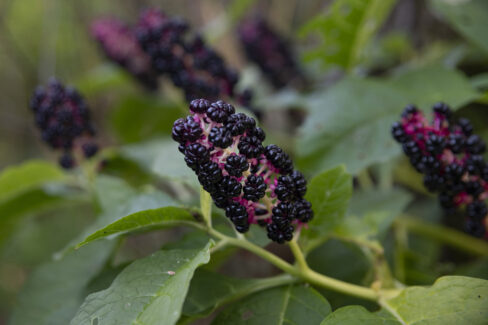
The eye-catching but toxic pokeweed is becoming a more common sight in backyards these days. Originally native to Asia and the Americas, several species have now spread across the globe. While this low-maintenance plant is sometimes used in homeopathy, its primary job in the garden is acting as a natural weapon against slugs and snails.
Dealing with Slugs in the Garden
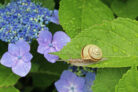
Every gardener knows the frustration of these slimy little critters. You put in a day’s work planting fresh flowers or veggies, only to wake up the next morning to find them chewed down to the soil. When slugs show up in droves, they can ruin a garden overnight.
Fighting Back Against Slugs
There are plenty of ways to tackle a slug problem, though most aren’t 100% foolproof. You’ve probably heard of or tried:
- Picking them off by hand
- Installing copper barriers in the soil
- Setting up specialized slug fences
- Spreading pine needles around your plants
- Letting Indian Runner ducks roam the yard
- Using commercial slug pellets
One lesser-known, natural remedy is a powder made right from the pokeweed plant. If you’ve got these growing in your garden, you can whip up your own organic slug repellent with just a little effort. Here’s how you do it:
- First, gather the berries and seeds, and dig up a few of the roots.
- Boil the seeds, roots, and berries together.
- Let the mixture air-dry completely.
- Once dry, grind the plant parts into a fine powder.
- To make your solution, mix 4 tablespoons of this powder into one liter of water.
- Stir well and pour the mixture directly onto the slugs and their egg clusters.
The secret lies in the saponins found in pokeweed, which break down the mucous membranes of the slugs and their eggs. A word of caution, though: because the plant is highly toxic, skin contact can cause nasty allergic reactions in humans. Always wear gloves and handle the plant with care!
Bonus: This method is actually good for your dirt, too. The saponins help raise the pH level of the soil. Since many beneficial soil organisms and microorganisms struggle in acidic environments, this boost helps them thrive and multiply.
Which Pokeweed Should You Grow?
You’ll usually find both American and Asian varieties available. Since both are poisonous, I wouldn’t recommend growing them if you have small children running around. Those dark purple berries look delicious to kids, but eating them can quickly lead to nausea, vomiting, and diarrhea. However, if you’re just looking to make some DIY slug repellent, either variety will get the job done!