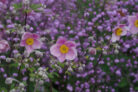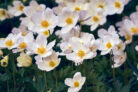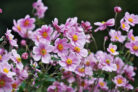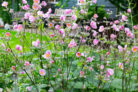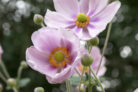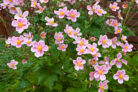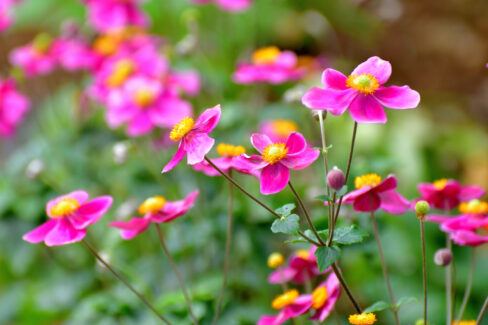
Especially in the springtime, those late-blooming Japanese anemones can become a favorite snack for hungry slugs and snails. If you notice these little gluttons making a meal out of your garden, you’ll want to act fast to save your blooms. Here’s the lowdown on how to handle the situation.
Protecting Those Fresh Shoots
Slugs are mostly interested in the tender new shoots and young leaves. Why? Because these fresh bits haven’t developed their natural chemical defenses yet, making them soft and tasty. They’ll almost always pick the new growth over the tougher stems that have been around since last summer. Generally speaking, Japanese anemones aren’t the #1 target in the garden—slugs usually prefer veggies or more succulent perennials—but they aren’t off the menu entirely.
You’ll want to keep a particularly close eye on anemones that you’ve just planted after winter, recently repotted, or cut back. Slugs also have a “sixth sense” for plants that are already a bit stressed or weakened, so keep those babies healthy!
Japanese Anemones & Slug Control: What to Do
If you’ve already spotted slugs on your anemones, there isn’t a magic wand to wave. Your best bet is the old-fashioned “pick and flick” method. Head out into the garden in the evening—right around sunset is when they start getting active—and manually remove them. You can also try setting up live traps, though keep in mind these can be a bit hit-or-miss depending on how many pests you’re dealing with.
Japanese Anemones & Slug Control: Prevention is Key
To save yourself the time-consuming task of hunting slugs at night, it’s much better to focus on prevention. First off, try to water your garden in the morning so the soil surface dries out by evening. It also helps to plant your anemones in a sunny spot, as slugs much prefer damp, shady hideouts. If you’re really struggling, installing a slug fence can be a lifesaver to keep them away from their “buffet.”
Another clever trick is to use “decoy” plants. If you plant something even tastier nearby—like some leafy green lettuce—the slugs might fill up on that and leave your anemones alone. On the flip side, you can surround your perennials with plants that slugs absolutely hate. Think ferns, ornamental grasses, strongly scented herbs, or plants with fuzzy, hairy leaves.
Extra Tip: Toxic plants like Lily of the Valley, Foxglove, and Monkshood are also great natural deterrents for keeping slugs at bay!