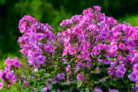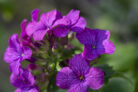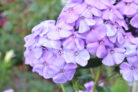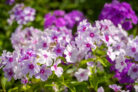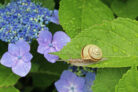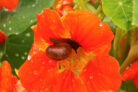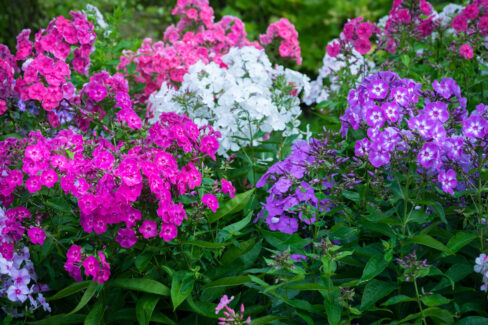
While phlox isn’t exactly at the top of a slug’s “must-eat” list, these slimy critters can still do some serious damage if they get hungry. Luckily, you don’t need a PhD in pest control to keep them away. With a few simple tricks, you can stop slugs in their tracks before they even touch your beautiful blooms.
How to Deal With Slugs on Your Phlox
Because of their size, slugs are pretty easy to spot in the garden. You’ll usually notice their tell-tale munch marks on your phlox leaves long before you see the culprits themselves. To keep an infestation from turning into a full-blown plague, your best bet is to hand-pick the slugs and their eggs whenever you see them.
Now, you’ve probably heard about using beer traps. While it’s true that slugs are magically attracted to the smell of beer, I actually recommend avoiding this method. Why? Because you’ll end up attracting every slug from your neighbor’s yard, too! By the time they all make it to the trap, half your flower bed might already be eaten.
Another pro-tip: avoid watering your phlox in the evening. Slugs love moisture, and damp soil and stems overnight are basically an open invitation for a midnight snack. It’s important to stay on top of this because chewed-up leaves weaken your perennials, making them much more susceptible to diseases.
Prevention: Keeping Slugs Away for Good
Prevention starts the moment you put your phlox in the ground. Choosing a sunny, well-drained location is a great first step since slugs prefer damp, shady spots. They also hate crawling over rough or sharp surfaces. Try loosening the soil regularly and spreading one of these household items around your plants:
- Fine gravel
- Coarse sand
- Crushed eggshells
- Coffee grounds
- Broken pottery shards
If you want to get serious, a slug fence is incredibly effective. You can even DIY one! The sharp, angled edge at the top is impossible for slugs to climb over—they’ll just fall off right before they reach their goal, leaving your phlox safe and sound. I only suggest using slug pellets for massive infestations in very large gardens. If you go that route, make sure to choose a pet-safe, non-toxic variety to keep the rest of your local wildlife healthy.