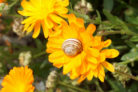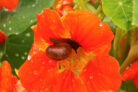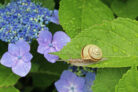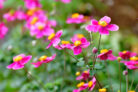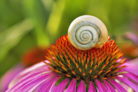
Chrysanthemums—or “mums” as we love to call them—are a total staple in the American garden. When autumn rolls around, their explosion of colors and shapes is exactly what we need to keep that cozy garden vibe going. They’re like the grand finale of the growing season, lighting up our flower beds just as other plants are starting to fade. But, there’s a tiny (well, sometimes not-so-tiny) problem: slugs and snails think your beautiful mums are an all-you-can-eat buffet.
Do Slugs Really Love Mums?
The short answer is: it depends. While it feels like they’ll devour anything, slugs aren’t actually fans of every single variety. Some mums will be leveled to the ground in a single night, while others stay perfectly untouched. Generally, slugs steer clear of toxic chrysanthemum varieties. Specifically, members of the *Tanacetum* family are usually safe because they contain a natural neurotoxin that acts as a “keep out” sign for pests.
If you want to keep your fall display looking sharp, you’ll need a game plan. Now, I’ll be honest with you—no single method is 100% foolproof. The only way to be totally sure they’re gone is to head out there and pick them off by hand. However, there are a few tricks you can use to make your garden a lot less “slug-friendly.”
Slug Defense 101
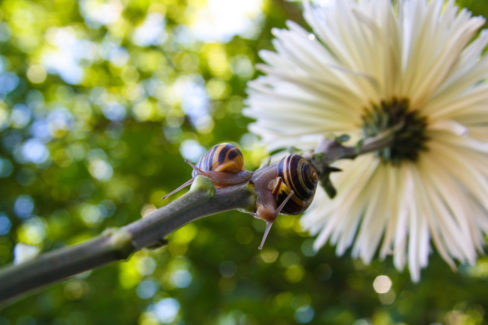
The main culprits eating your flowers and herbs are usually those big, slimy slugs (the ones without shells) that come in reddish-brown or black. Interestingly, your typical garden snails with shells, the striped leopard slugs, and Roman snails aren’t nearly as destructive. In fact, they can actually be helpful because they sometimes snack on the eggs of those “bad” slugs!
To kick slugs out of your garden, you have to know where they hang out. They love cool, damp spots like under rocks or in thick foliage—check these areas daily to catch them while they’re sleeping. Here are a few other tried-and-true methods:
- Create a “rough” barrier: Sprinkle coarse sand or bark mulch around your vulnerable plants. Slugs hate crawling over scratchy surfaces.
- Use physical barriers: Slug collars or copper fencing around your plants can act as a great deterrent.
- Slug bait: If you go this route, the slugs eat the pellets, retreat into the soil, and that’s that. (Just be sure to look for pet-safe options!)
- The classic beer trap: Bury a small container level with the ground and fill it with beer. They’re attracted to the scent, fall in, and… well, they don’t come back out.
- Hunt for eggs: If you find clusters of tiny white or yellow pearls in the soil, those are slug eggs. Destroy them immediately to stop the next generation.
Grow Plants Slugs Hate
In theory, a hungry slug will eat almost anything, but they definitely have favorites. A clever trick is to plant a “barrier” of things they dislike around your precious mums. Some great slug-resistant options include:
- Garlic
- Wild Garlic
- Rosemary
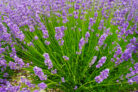
- Lavender
- Stonecrop (Sedum)
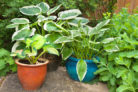
- Ferns
With a little bit of planning, you can mix and match these plants to create a garden that looks gorgeous to you, but looks like a “no-go zone” to slugs!