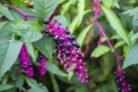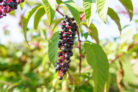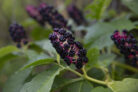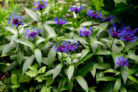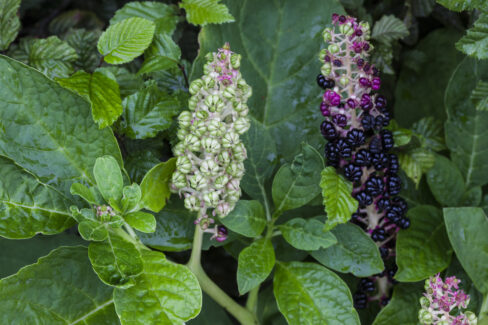
The pokeweed is an impressive ornamental perennial that’s native to North America and parts of Asia. Lately, it’s been popping up more and more in our backyard gardens, and it’s easy to see why! With its striking flower spikes and those deep blue-black berry clusters, it’s a real head-turner.
Finding the Perfect Spot
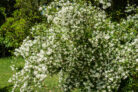
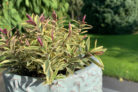
When it comes to location, pokeweed isn’t very picky at all. It’ll happily grow in full sun or partial shade. Ideally, you’ll want to find a spot that’s a bit sheltered from the wind and holds onto some warmth. Think areas near the house, along the edge of a wooded patch, or tucked next to a garden shed or greenhouse. Because it grows quite thick and bushy, it actually makes a fantastic natural privacy screen from the neighbors or the street. You can even grow it in a large container on a sheltered patio!
Soil Requirements
Pokeweed is one of those low-maintenance plants that doesn’t demand much from you. As far as the soil goes, it just needs a few basic things to thrive:
- Humus-rich, slightly moist soil
- Plenty of nutrients
- Loose and deep soil structure
- A sandy-loam consistency
- A pH level between neutral and slightly acidic
- Good drainage
- No standing water (wet feet are a no-go!)
If you’re planting in pots, use a high-quality potting mix and boost it with some compost and a bit of sand or lava granules. Drainage is super important for container gardening, so make sure to add a layer of broken pottery or coarse gravel at the bottom. Cover that layer with a piece of landscape fleece so the soil doesn’t wash away when you water.
Important Things to Know About Pokeweed
It’s important to mention that all parts of this plant are toxic. However, if you dry and grind them up, they actually make a great natural remedy against slugs.
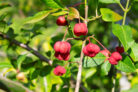
The blue-black berries that appear in the fall can be dangerous for children, so you’ll want to make sure the plant is out of reach of the little ones. A good way to minimize the risk is to deadhead the plant—just snip off the flower spikes as soon as they fade. This prevents the berries from forming in the first place.
By removing the flowers, you also stop the plant from self-seeding. If the berries are left on the bush, birds will eat them and spread the seeds everywhere in their droppings, which can lead to pokeweed spreading rapidly across your yard. Once it takes hold, it can be tough to get rid of because it develops a massive taproot that requires some serious digging to remove!