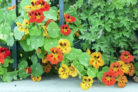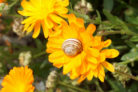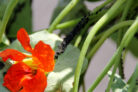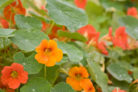
Nasturtiums are a total MVP in the home garden. They’re gorgeous to look at, taste amazing in a salad, and are packed with health benefits. Plus, they’re famous for acting as a “trap crop” for certain pests. But does that include slugs and snails? Let’s dive in.
Do Nasturtiums Actually Help Against Slugs?
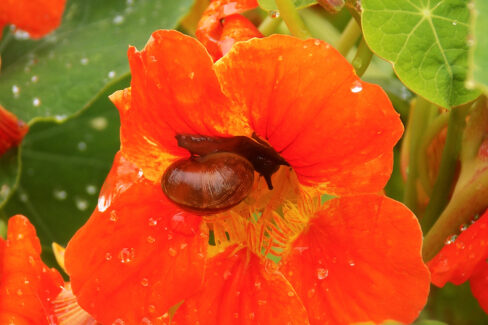
This is one of those topics where gardeners love to disagree. Some folks swear that nasturtiums don’t do a thing to help, while others believe slugs find them so delicious that they’ll feast on the nasturtiums and leave your other veggies alone. It’s not a crazy theory—nasturtiums are notorious for attracting aphids, which is why people often plant them as a sacrificial barrier for ornamental flowers. However, if you really want to protect your garden, it’s best to tackle the slug problem from a few different angles.
Keeping Slugs at Bay
Every backyard gardener knows the drill: after a heavy rain, the garden is suddenly crawling with slugs. To save your plants, you’ve got to take action. Hand-picking them and relocating them is a humane and effective option—as long as you take them far enough away, they usually won’t find their way back. Of course, there are also plenty of commercial products available if you’re dealing with a major invasion.
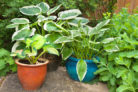
You can also grow your nasturtiums in pots on a balcony to keep them out of reach, but that doesn’t really solve the root of the problem. A better long-term strategy is to create a garden that welcomes natural predators like birds, hedgehogs, and slow worms. You can also use scents to ward off these slimy intruders; they absolutely hate the smell of thyme and garlic. Try planting those around your garden to create a fragrant “no-go zone.” Keeping your soil crumbly and well-aerated also makes it harder for slugs to get around.
Checklist: Toward a Slug-Free Garden
Many gardeners think a completely slug-free garden is a myth. While it’s tough, you can definitely get close by following these simple steps:
- Hand-pick slugs and move them far away.
- Attract beneficial animals like birds and hedgehogs.
- Plant strong-smelling herbs like garlic and thyme.
- Maintain a crumbly soil texture.
- Use slug fences or traps from your local garden center.
The Bottom Line: Get Proactive
Slugs are just part of the deal when you’re a gardener, but you don’t have to let them take over. By using a mix of these methods, you can protect your nasturtiums and the rest of your plants. With a little persistence, you can keep the slug population under control for good.