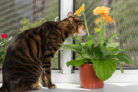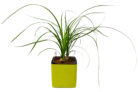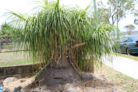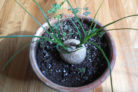
The Ponytail Palm (botanically known as *Beaucarnea recurvata*) is a stunning, low-maintenance houseplant that makes a real statement in any room. With its fountain-like tuft of evergreen leaves sprouting from the top, it’s a total eye-catcher—but unfortunately, those dangling leaves are also a huge temptation for curious cats.
Is the Ponytail Palm Toxic?
The short answer is yes, but with some nuance. *Beaucarnea recurvata* contains saponins in all parts of the plant. These compounds are toxic to cats, though a quick nibble isn’t usually fatal for our feline friends.
The Leaves
Because of those long, flowing leaves, many cats see the Ponytail Palm as a built-in cat toy. If your kitty just bats the leaves around, they’ll be fine. However, if they start using the plant as a snack, that’s where the trouble begins.
The Trunk
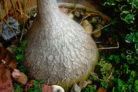
It’s pretty unlikely that your cat will try to chew on the thick, bulbous trunk—it’s usually way too tough for them to get their teeth into. That said, some cats might “mistake” the textured trunk for a new scratching post.
While scratching the bark won’t hurt your cat, it’s definitely not good for the plant! Sharpening claws on the trunk can leave permanent scars and wounds on your beautiful Ponytail Palm.
Symptoms of Poisoning
The Ponytail Palm is generally classified as “mildly toxic.” This means that serious symptoms usually only show up if a cat eats a significant amount of the plant. Kittens are at the highest risk because they’re naturally more curious and have much lower body weights than adults. Senior cats or those with underlying health issues are also more vulnerable.
If your cat does munch on the leaves, you might notice local irritation of the mucous membranes in the mouth or some gastrointestinal upset.
Simply touching the plant won’t cause any issues. Still, since you never quite know when a plant might suddenly become a cat’s new obsession, it’s a smart move to keep your Ponytail Palm in a cat-proof location.
First Aid Tips
- Try to get your cat to drink some plain water to help flush out the toxins.
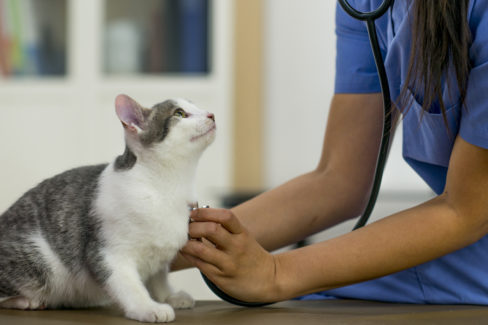
- Contact your veterinarian or a pet poison control hotline for professional advice.
Whatever you do, don’t give your cat milk—it’s actually counterproductive and can make things worse!