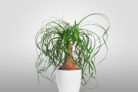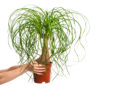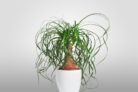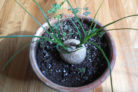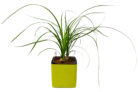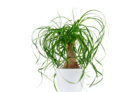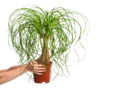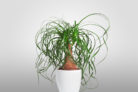
Since the Ponytail Palm (*Beaucarnea recurvata*) is confined to a container when grown indoors, getting the pot size just right is a big deal. The right container gives those roots enough room to breathe and ensures your plant gets all the nutrients it needs to thrive.
The Importance of Pot Size
Pot size plays a huge role in the overall health and growth rate of your Ponytail Palm. If you go with a pot that’s way too big, the plant will spend all its energy trying to fill that space with roots instead of growing those beautiful leaves. On the flip side, if the pot is too cramped, your plant won’t be happy. “Shoes” that are permanently too tight lead to nutrient deficiencies and those dreaded yellow leaves.
Finding the Perfect Fit
Determining the ideal width for your Ponytail Palm is pretty straightforward, though people sometimes debate how deep the pot should be.
Width and Diameter
When your plant is sitting right in the center of the pot, you should be able to:
- Water it easily without making a mess.
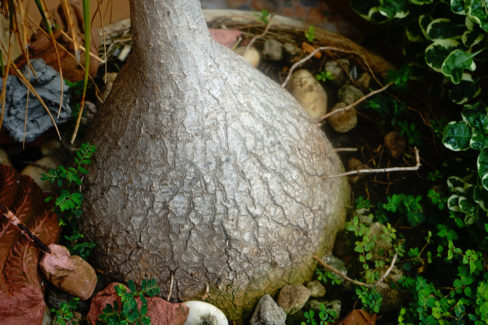
- Maintain a gap of about an inch or two (three to four centimeters) between the “foot” (the bulbous base) and the edge of the pot on all sides.
As for height, the general rule of thumb is that these plants prefer a pot that is wider than it is deep. This is because Ponytail Palms are relatively shallow-rooted.
Pot Height
The “wide and shallow” rule is spot-on for smaller, younger plants. For a little guy, a shallow decorative bowl usually works perfectly.
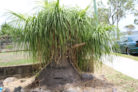
However, because the Ponytail Palm is a slow-but-steady grower, a shallow bowl won’t cut it forever. As the plant matures over the years, it develops a much more substantial root ball and eventually needs a bigger pair of shoes.
For an older, larger Ponytail Palm, let the size of the root ball be your guide. You still want that inch or so of space around the sides. If the pot feels a bit too deep for the roots, don’t sweat it—just add a thicker layer of drainage material (like gravel or clay pebbles) at the bottom to take up that extra space.
Must-Have Pot Features
The absolute “must-have” for any pot you choose is at least one drainage hole. This allows excess water to escape. Without proper drainage, you run a serious risk of your plant developing root rot from standing water, which is the fastest way to lose a Ponytail Palm.