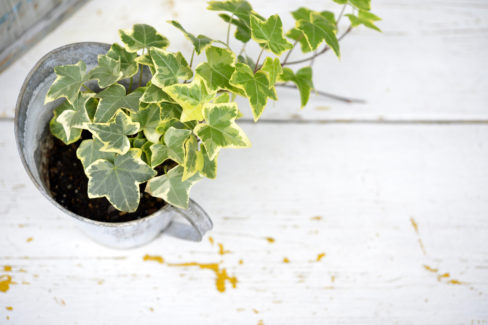
English Ivy is more than happy to jump into a pot, provided you give it the right VIP treatment. And honestly, it’s a win-win for us gardeners! By putting this climber in a “mobile home,” you can bring lush greenery to those tricky spots where plants usually can’t reach. Let’s dive into how to successfully grow English Ivy in containers.
Choosing the Right Pots and Soil
Every ivy starts small. If you decide to train it as a bonsai, it’ll stay that way. Otherwise, keep in mind that this climber is built for the long haul and is famous for its fast growth rate. You’ll need to pick a pot that can keep up. Don’t go too small or too shallow; ivy roots love to branch out and can get surprisingly long over time.
Drainage is non-negotiable. Make sure your pot has large drainage holes because ivy absolutely hates “wet feet” (standing water). To keep those roots happy, add a drainage layer of coarse material at the bottom and use a loose, well-draining potting mix.
It’s a great idea to choose a pot where you can easily attach a trellis or support so the ivy has something to climb. For a real showstopper, try growing it alongside a flowering clematis. If climbing isn’t your style, ivy also looks fantastic trailing down from a hanging basket.
Pro Tip:
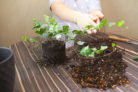
While those tiny ivy plants at the garden center come with a tempting low price tag, you can actually propagate indoor ivy yourself very easily. All you need is one healthy mother plant to take cuttings from whenever you want more.
Where to Place Your Potted Ivy
A container-grown ivy is versatile. It can live outside on your balcony or thrive year-round as a houseplant. Ivy in the bedroom is a popular choice since it’s a natural air purifier that filters out various toxins. It also loves the bathroom because of the high humidity.
Just remember that ivy prefers a shady spot. Too much direct sun can lead to brown leaves or cause the plant to dry out completely. Also, keep it out of reach of kids and pets—English Ivy is highly toxic if ingested.
Container Care 101
Plants in pots need a little more “TLC” than those in the ground. Here’s your basic maintenance checklist:
- Water regularly based on the plant’s needs.
- Fertilize every two weeks during the growing season.
- Repot in the spring (and skip the fertilizer for a few weeks afterward).
- Prune it several times a year to keep it in shape.
- Keep an eye out for pests like spider mites or aphids.
Winter Protection
English Ivy is hardy, but container plants are more vulnerable to the cold. If you’re overwintering it outside, wrap the pot in burlap or fleece and set it on a styrofoam board to insulate the roots. Don’t forget that the soil can dry out even in winter—give it a little water on frost-free days to keep it hydrated.