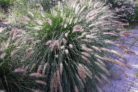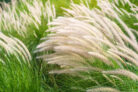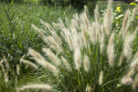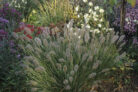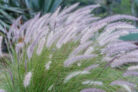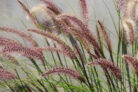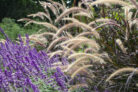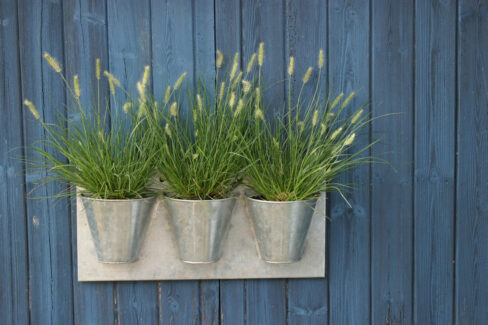
Thanks to a huge variety of cultivars, there are plenty of dwarf Fountain Grasses that are perfect for container gardening. Since they’re low-maintenance and look gorgeous even during the colder months, they make a fantastic addition to any balcony or patio.
Which varieties work best in pots?
There are about 80 different species of Fountain Grass out there. Some stay as tiny as 12 inches, while others can tower up to 5 feet tall! For life in a container, you’ll want to stick with small to medium-sized varieties that reach a maximum height of about 3 feet. Here are a few of my favorites:
- Little Bunny (12 inches)
- JS Jommenik (14 inches)
- Hameln (24 inches)
- Fireworks (30 inches)
- National Arboretum (32 inches)
- Moudry (35 inches)
Match your pot size to the plant’s height
If you’re going with a tiny variety like Little Bunny, a standard window box is actually plenty of space for planting. However, the bigger the grass, the more elbow room it needs. Generally, you’ll want a pot that holds at least 5 gallons. Most importantly, make sure your container has plenty of drainage holes so excess water can escape.
How do you plant Fountain Grass in a container?
Fountain Grass really hates “wet feet.” If it sits in water, the roots will rot pretty quickly. To prevent this, cover the drainage holes with broken pottery shards or large stones and add a drainage layer of expanded clay pebbles. Mixing a few of those clay pebbles into the soil itself also helps keep things nice and airy.
Before you tuck your grass into its new home, give the root ball a good soak. Standard potting soil for green plants works perfectly here. Once you’re done, move the pot to a nice, sunny spot.
How do you care for potted Fountain Grass?
To keep your grass happy and fed, give it some liquid fertilizer every two weeks. As for watering, just check the top layer of soil—if it feels dry to the touch, it’s time for a drink. Keep in mind that when grown in containers, this ornamental grass isn’t quite as hardy, so you’ll need to move it to a cool, sheltered spot to overwinter. And don’t reach for the shears too early! Wait until spring to prune it back.