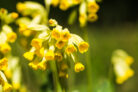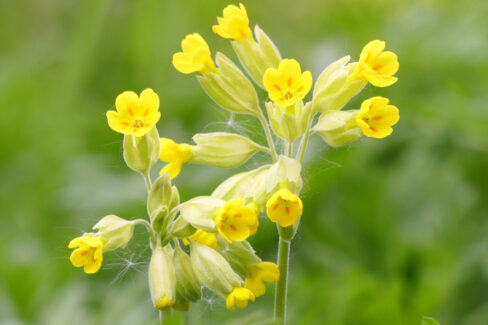
When those cheerful yellow cowslip primroses start popping up in March and April, you know spring has finally arrived! If you’re lucky enough to have these in your garden already, they’ll often spread on their own. But if you’re looking to start a new patch, your best bet is grabbing a packet of seeds from your favorite garden center.
What You Need to Know About Cowslip Seeds
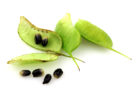
In the wild, you’ll usually spot cowslips hanging out in sunny to partially shaded spots. One super important thing to remember: in many areas, every part of this plant is protected by law. That means no foraging! You aren’t allowed to collect seeds from wild plants, which ripen between late August and mid-September. Stick to buying seeds from a pro or, if you already have them in your backyard, feel free to harvest your own. You’ll find the seeds inside little oval capsules; when they’re ready, they open up to reveal dark brown, angular seeds. Fun fact: if the weather gets nasty, those capsules will actually close back up to protect the seeds!
Growing Cowslips from Seed
If you’ve harvested seeds from your own garden, the easiest move is to sow them directly into the ground right away. These seeds don’t stay viable for very long, so fresh is best. Plus, cowslips are “cold germinators,” meaning they actually *need* a winter chill to wake up and grow.
Just scatter the seeds onto some loosened, prepared soil, cover them with a very thin layer of dirt, and keep the area moist. By the time spring rolls around, you’ll see those cute little seedlings poking through.
Starting Seeds Indoors
Not ready to head out to the garden? You can also start your seeds in trays beginning in January. Just don’t keep them too toasty! They prefer temperatures between 50°F and 60°F (10–15°C), so a cool, unheated room like a hallway or a spare bedroom is perfect.
Because these seeds need that “cold snap” to break their natural dormancy, you’ll need to put them through a process called stratification. Here’s how to do it:
- Harvest your seeds and keep them somewhere warm (around 60-70°F) and moist for about four weeks.
- Next comes the “big chill” (stratification).
- Place the seeds on a soft, damp surface in a small container and cover them lightly.
- Pop that container into the vegetable crisper drawer of your fridge.
- That cold temperature tells the seeds it’s time to get ready for spring.
- After about four to six weeks in the fridge, move them to a cool spot (around 40-50°F) for a little while.
- In January, you can officially sow them into seed trays filled with a good starting mix.
- Since the seeds are tiny, only cover them with a dusting of soil and keep them consistently damp.