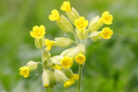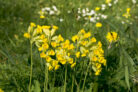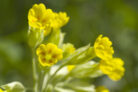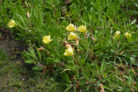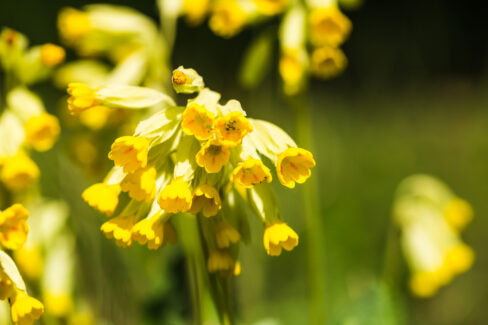
The Cowslip (Primula veris) is a cheerful, bright yellow perennial that looks just as at home in a manicured flower bed as it does in a dedicated medicinal herb garden. These pretty little plants are surprisingly low-maintenance and a total breeze to grow once you get them settled.
Sowing Cowslip Seeds
In many parts of the world, Cowslips are actually protected in the wild. This means you can’t just go out and dig them up or gather seeds from the meadow. If you want to add these beauties to your garden, your best bet is to pick up a packet of seeds or some starts from your local garden center.
Cowslips are “cold germinators,” meaning they like temperatures between 50°F and 60°F to sprout. But here’s the trick: they need a “cold snap” first (stratification) to wake the seeds up from their natural dormancy. You can start this process yourself indoors around January by following these steps:
- Keep the seeds warm (60-70°F) and moist for about four weeks—a plate with damp sand on a sunny windowsill works great.
- Next, move them to the cold (between 25°F and 40°F). The easiest way is to pop them in the veggie crisper drawer of your fridge.
- Let them chill in the fridge for about six weeks.
- After their “winter” nap, move them somewhere slightly warmer (40-50°F) for a few more weeks.
- Try to avoid any sudden heat waves; they prefer to wake up slowly as the temperature rises.
Once they’ve been chilled, sow the seeds in trays filled with a lean seed-starting mix. Cover them with just a thin dusting of soil and keep them moist. As soon as the seedlings are sturdy enough to handle, you can move them to their own pots or plant them straight outside. Pro tip: If you already have Cowslips in your garden, you can harvest the seeds and sow them directly in the ground right away. Mother Nature will take care of the chilling process for you over the winter!
Planting Out Your Cowslips
If you’ve been nursing your Cowslips on the windowsill since January, they’ll be ready to hit the garden by March. Start by prepping your spot—clear out any weeds and give the soil a good raking. While you’re doing that, let the plant’s root ball soak in a bucket of water so it’s nice and hydrated.
Dig a hole about twice as wide as the root ball. To give your plant a head start, mix the soil you dug out with some organic fertilizer like compost, horn meal, or aged bark mulch. Take the plant out of its pot and set it right in the center of the hole. Make sure it’s sitting at the same depth it was in the pot—don’t bury the crown! Fill the soil back in, tuck it in firmly, and give it a generous drink of water.