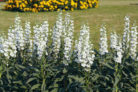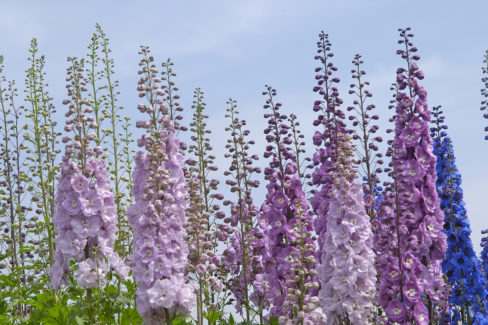
Blooming Delphiniums are more than just eye candy for your backyard; they’re actually super easy to propagate yourself! These stunning perennials produce plenty of seeds that you can harvest in the fall and plant once spring rolls around.
Harvesting Delphinium Seeds
Usually, I recommend cutting back your Delphiniums right after they bloom. This either encourages a second flush of flowers or helps the plant get ready for its winter nap. However, if you want to save some seeds, you’ll need to leave those spent flower stalks alone in the fall so the plant can develop seed pods (technically called follicles).
Inside these pods—you’ll usually find two or three per stalk—are small, slightly winged seeds. Keep an eye on them as autumn approaches. You’ll know it’s time to harvest when the pods turn a papery brown but haven’t popped open yet. Snip them off before you do your final fall garden cleanup.
Storing and Prepping Seeds for Planting
Once you’ve gathered your pods, here’s the best way to handle them:
- Spread out a cotton cloth or a piece of paper towel on a table and gently crack open the pods.
- Spread the seeds out on the towel and let them air dry in a cool, dark spot for about two days.
- Transfer the dry seeds into an airtight container to keep them safe until spring.
- Since Delphiniums are “cold germinators,” they need a little winter simulation. Pop your seed container into the veggie crisper drawer of your fridge for a few days. The sweet spot for temperature is between 32°F and 41°F (0–5°C).
- After their “cold nap,” soak the seeds in water for about 24 hours to wake them up.
- Now they’re ready to hit the dirt!
When to Plant Your Delphinium Seeds
You can sow your seeds directly in the garden starting in May. If you’re like me and get antsy to start gardening early, you can start them indoors in seed trays in March and transplant the seedlings outside in mid-May.
Just a heads-up: Delphinium seeds need light to germinate, so only cover them with a very thin dusting of soil. Also, birds love those tender young shoots, so you might want to protect your patch with some netting. Do that, and you’ll be well on your way to a garden full of magnificent, towering blooms!