Cacti are some of the most fascinating plants out there, thanks to their unique shapes and those surprisingly beautiful blooms. If you want to keep your collection growing for years to come (or share the love with friends), learning how to propagate them is a total game-changer. You’ve actually got a few options here: you can grow new cacti from offsets (pups), cuttings, or seeds. Let’s break down how each method works so you can pick the best one for your prickly pals!
Propagating via Offsets and Cuttings: Prep & Gear
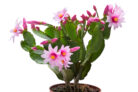
The best method usually depends on what kind of cactus you’re working with. For example, if you have a Holiday Cactus (like the *Rhipsalidopsis* or Easter Cactus), leaf cuttings are the way to go. For something like a *Rhipsalis* (Mistletoe Cactus), stem-tip cuttings work best.
Many other favorites, like certain Columnar cacti or *Opuntia*, produce “pups” or offsets—tiny clones of the mother plant that sprout around the base. These are super easy to propagate. Before you start, grab these supplies:
- A sharp, sterilized knife
- Matches or a lighter
- A candle
- Aluminum foil
- Seed-starting mix (specifically cactus or succulent soil)
- Small plastic pots
Step-by-Step: Offsets and Cuttings
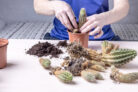
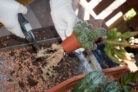
Timing is everything! Aim to do your propagating during the warm months, between April and August, when the plants are in their active growth phase. And a pro tip: to avoid a hand full of spines, wear thick, thorn-proof gloves or use a pair of kitchen tongs to hold the plant steady. Here’s the process:
- First, carefully wrap your knife blade in aluminum foil.
- Light your candle and heat the foil-wrapped blade over the flame to sterilize it.
- Once the foil has blackened slightly, you’re ready to make your cut.
- For stem-tip cuttings, aim for about 4–6 inches in length. For round offsets, make sure they are slightly taller than they are wide.
- For leaf cuttings, remove the entire leaf segment from the mother plant.
- Crucial step: Let the “wounds” of your cuttings or offsets air-dry for a few days until they form a callus.
- Once dry, tuck them into your pots filled with cactus soil.
Growing Cacti from Seed
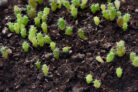
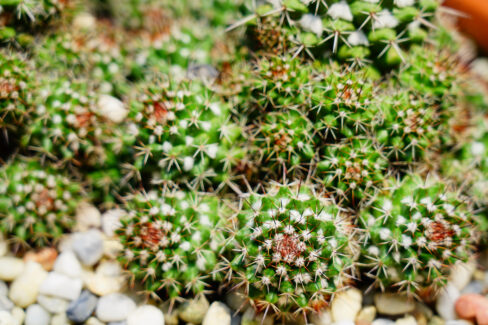
Growing from seed is definitely the “slow and steady” route, but it’s incredibly rewarding. Since many species—like most globular cacti—don’t really produce roots or offsets easily, seeds are often the only way to multiply them. Plus, if you’re looking for rare varieties, seeds are usually your best bet.
How to Harvest Your Own Cactus Seeds
Cactus seeds are the result of sexual reproduction, which means you’ll need two different plants of the same species. When both are blooming, use a small paintbrush to transfer pollen from one flower to the other.
By autumn, if the pollination was successful, your cactus will develop fruit. Once the fruit is ripe, pick it and pop it open to find the seeds inside. Make sure to clean the seeds thoroughly—any leftover fruit pulp can actually prevent them from germinating. Lay the clean seeds out on blotting paper to dry for a few days. You can then store them in a labeled paper envelope until it’s time to plant them in April.
Extra Tip: To avoid accidental “hybrid” cacti (cross-pollination from other species in your collection), try to isolate the two plants you’re breeding before you start the pollination process!