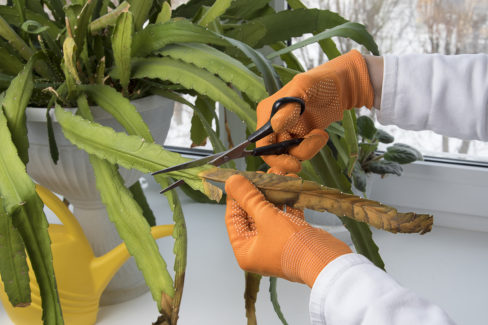
If your majestic desert cactus is starting to pick a fight with your ceiling, or if one of the arms on your favorite columnar cactus has seen better days, it’s probably time for a haircut. Pruning a cactus might sound intimidating, but it’s often the best way to keep your plant healthy and manageable. In this guide, I’ll walk you through how to trim your cacti like a pro, including the best tools for the job and how to treat those “battle wounds” so your plant bounces back stronger than ever.
Prepping for the Big Cut
If you want your cactus to recover quickly from losing its fleshy stems or succulent leaves, you need to start with the right gear. Preparation is key to a clean cut and a happy plant. Here’s your pre-game checklist:
- Grab a razor-sharp knife or a scalpel. You want something that can slice through fleshy stems without crushing them.
- If you’re dealing with older, woodier parts of the plant, have a serrated knife or a small saw ready to go.
- Disinfect every blade you plan to use with rubbing alcohol. This is non-negotiable if you want to avoid infections!
- Keep some horticultural charcoal powder (or crushed charcoal briquettes) nearby to treat the wounds.
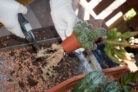
- Safety first! Put on a pair of heavy-duty gloves—think thick leather or nitrile—to protect your hands from those nasty spines.
Pro Tip: We all know thick gloves make you feel a bit clumsy. To get a better grip on the stems you’re cutting without getting poked, try using a pair of kitchen or BBQ tongs!
How to Prune Your Cactus the Right Way
The best time to give your cactus a trim is during its active growing season, typically between March and July. By following these steps, you can control the size of your plant and actually encourage fresh new growth:
- Look for the narrowest points on the stems to make your cuts. This is easier on the plant and looks more natural.
- Angle your cut slightly. This prevents moisture from pooling on the wound and helps the sap drain away.
- If you have a single-column cactus that’s gotten too tall, you’ll need to cut straight across the main trunk at your desired height.
- For any cacti showing signs of rot or disease, make sure to cut back until you see nothing but healthy, light-colored tissue.
- Immediately dust the fresh cuts with charcoal powder. This disinfects the area and helps “cauterize” the wound to stop the sap from leaking.
One last thing: If you’re cutting away diseased parts, make sure to wipe your blade with alcohol after every single snip. You don’t want to accidentally spread germs from a sick spot to a healthy one!