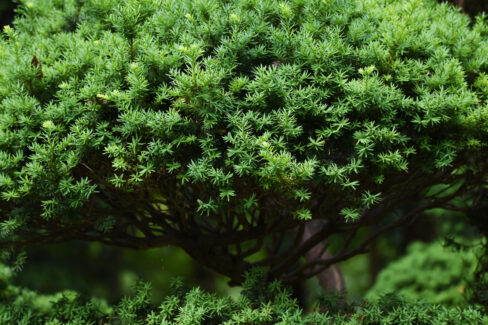
If you’re looking to add some classic greenery to your yard, you can either buy yews from a nursery or try your hand at growing them yourself. These beautiful evergreens can be propagated from both seeds and cuttings. In this post, I’ll break down which method gives you the best bang for your buck and how to get started.
Here are your main options:
- Transplanting “volunteers” found under female yews
- Growing yews from seed
- Propagating via cuttings
Digging up wild-growing yews
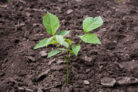
In addition to seeds and cuttings, you can often find little yew saplings that have already sprouted near established trees. This is a total win because you’re starting with a ready-to-go young plant. If you’re planning on planting a long yew hedge, this can save you a ton of money!
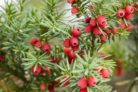
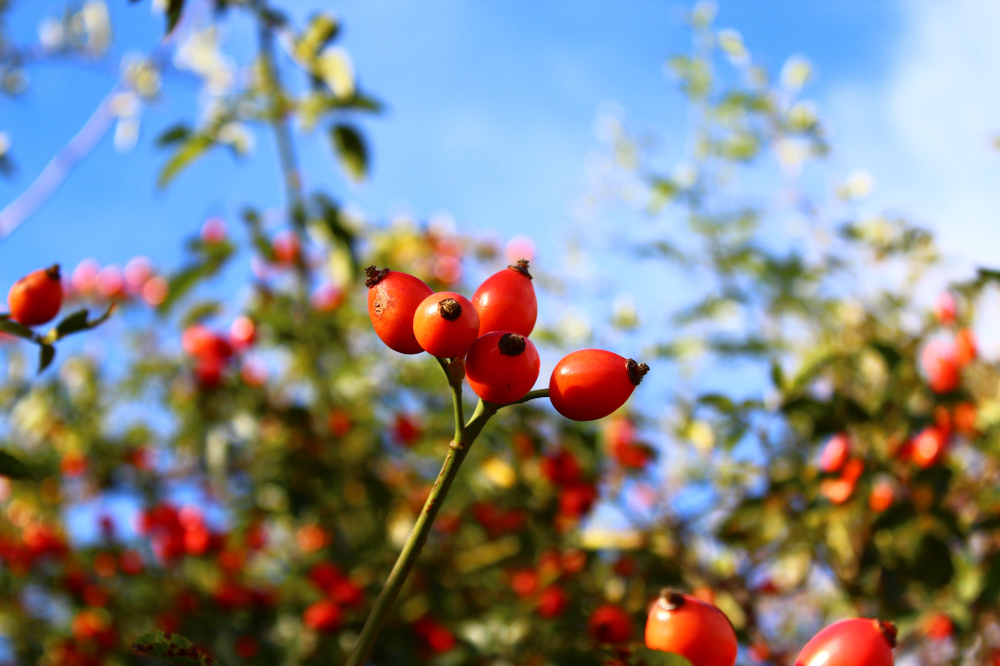
Keep in mind that yews are dioecious, meaning there are separate male and female trees. You’ll only find these little “volunteers” under female trees, which are the ones that produce those bright red yew berries. The seeds are tucked right inside those fruits. When you go to dig them up, be extra gentle. You need to keep the yew roots intact to ensure they survive the move to their new home.
Growing yews from seed
You can buy yew seeds or harvest them yourself from female trees. If you’re DIY-ing it, just collect the berries and follow the stratification tips below. Fair warning: growing yews from seed is a test of patience. Sometimes it can take up to two years just for the seeds to germinate!
Here’s the game plan:
- Remove the seeds from the fleshy fruit.
- Store them in a cool place for a while.
- Fill pots with a mix of potting soil and a little sand.
- Spread the seeds on the substrate.
- Keep the soil moist, but make sure it’s not waterlogged.
If you decide to stratify the seeds in your fridge, make sure they are in a sealed container or plastic bag, far away from your food. Remember: yew seeds are highly toxic! Budget about two years before you see those first green sprouts popping up.
Propagating from cuttings
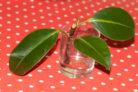
If you don’t want to wait years for a sprout, cuttings are the way to go. In early summer, snip off some fresh shoots. Pro tip: Always wear gloves! The taxine found in yew wood and needles can cause nasty skin reactions for some people. Aim for cuttings about 6 inches (15 cm) long. Strip the needles off the bottom half of the stem.
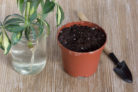
Stick the cuttings about 2 inches (5 cm) deep into a pot with potting soil, or plant them directly into the ground at your chosen location. Give them regular water. Once you see new little shoots starting to grow from the cutting, you’ll know your new plant has successfully taken root!