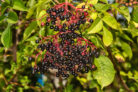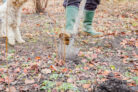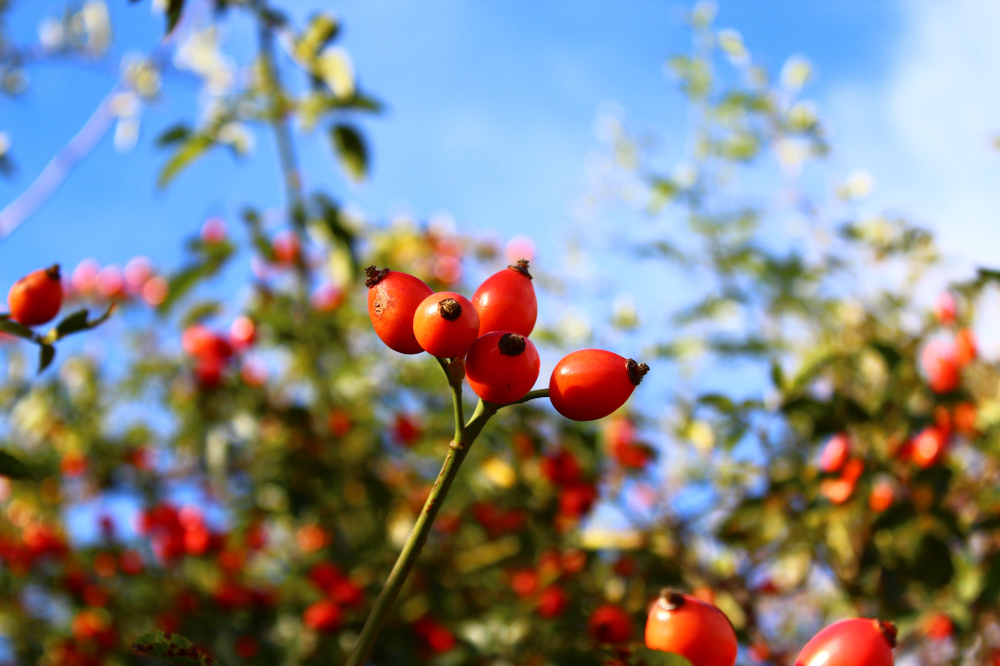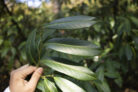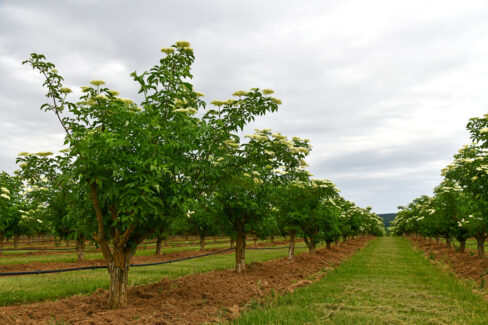
If you’ve already got an elderberry bush growing in your backyard, you’re in luck—expanding your patch is actually pretty easy! You can grow brand-new plants by taking cuttings, or if you’re feeling a bit more adventurous, you can try starting them from seed (though that’s a little trickier). Here are two simple ways to propagate your elderberry.
How to Propagate Elderberry from Cuttings
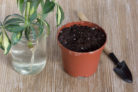
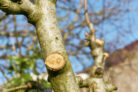
The best time to take healthy cuttings for propagation is in midsummer when the bush is full of life. Look for a healthy shoot that is “semi-hardwood”—meaning it’s starting to get woody but is still a bit flexible. You’ll want to make sure there are several leaf nodes (those little bumps under the bark) on your cutting. Here’s what to do:
- Cut one or more stems about four to six inches long.
- Strip the leaves off the bottom half of the cutting.
- For the remaining leaves on the top half, snip them in half to reduce moisture loss.
- Fill some small pots with a “lean” potting mix (one that isn’t too heavy on fertilizer).
- Stick one or two cuttings into each pot, making sure at least one leaf node is buried underground.
- Press the soil down firmly and give them a good drink of water.
- To keep the humidity up, pop a plastic bag over the pot or place it in a mini indoor greenhouse.
Keep your cuttings in a warm spot with partial shade, and they should start rooting pretty quickly. Once you see new green growth popping up, you’ll know they’ve successfully taken root! Just wait until next April or May before you transplant these little guys out into the garden.
Growing Elderberry from Seed
Elderberry seeds are “cold germinators,” which is a fancy way of saying they need a winter chill before they’ll wake up and grow. To get them started, follow these steps:
- Harvest the seeds from the berries and give them a good cleaning.
- Soak the seeds for 24 hours in a 2% potassium nitrate solution (you can usually find this at a pharmacy).
- If you can’t find potassium nitrate, a 48-hour soak in warm water will also do the trick.
- Fill a plastic bag with damp sand, toss the seeds in, and mix it up.
- Stick the bag in the fridge for a few days to simulate winter.
- Take them out and sow them in a mix of peat and sand.
Once the temperature stays consistently around 70°F (20°C), your seeds should start to sprout. Happy planting!