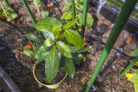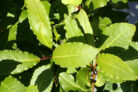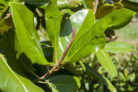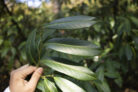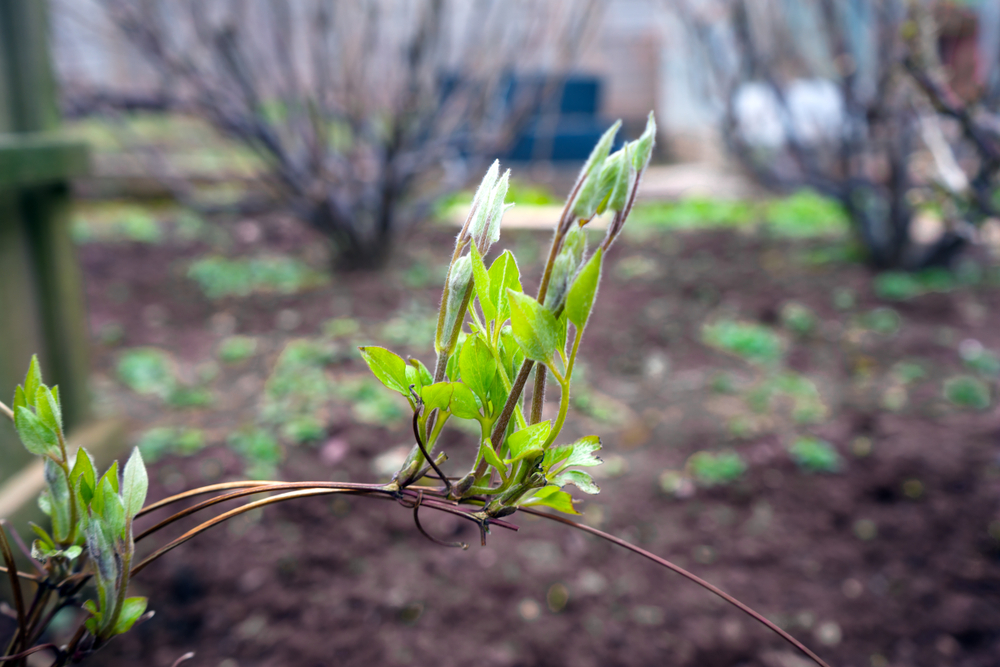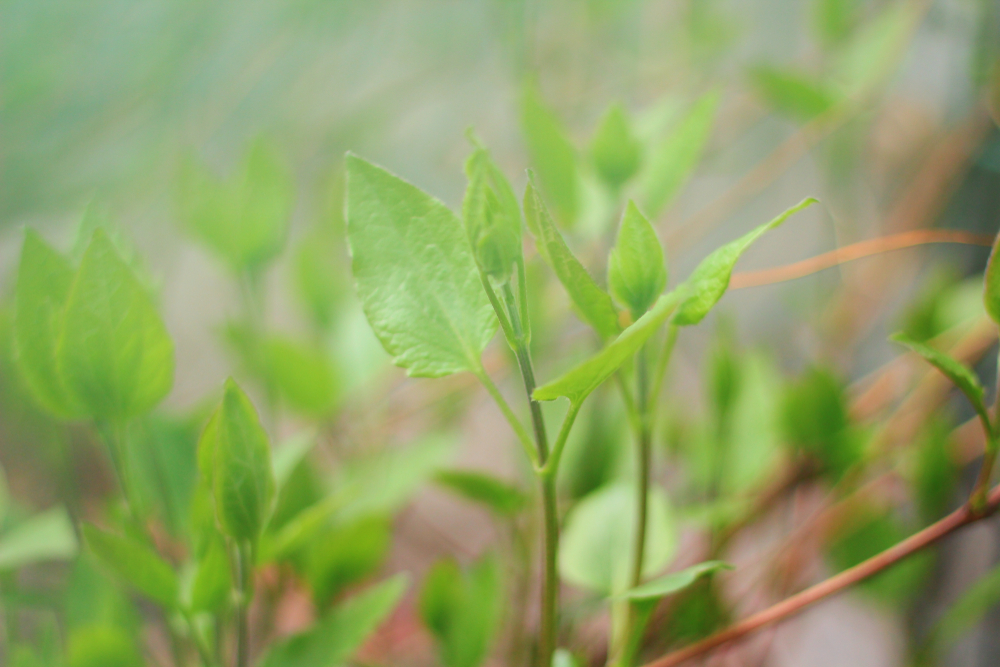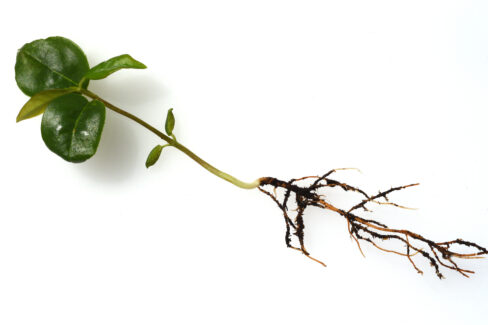
There are a few different ways to propagate laurel, but using runners or offshoots is one of the easiest. In this guide, I’ll walk you through how to use these little “babies” to grow new plants and exactly when you should make the cut. Follow these tips to expand your garden without putting your original mother plant at risk.
How to Get Your Laurel Offshoots
If you’ve planted your laurel directly in the ground, you’ll notice the plant regularly sends out small runners through its root system. You can simply snip these away from the mother plant to use as offshoots. However, timing is everything! You should only prune or take cuttings during the warmer months. If you do it when it’s chilly, the “wound” where you made the cut becomes a weak spot for frost to attack. Generally, I recommend waiting until spring to separate your offshoots. Since laurel isn’t fully winter-hardy, it already needs a little extra TLC to get through the cold season, and you don’t want to cause it any unnecessary stress.
Ways to Propagate Laurel:
- Growing from seeds
- Layering (bending a branch to the ground)
- Using cuttings or offshoots
How to Grow Your New Laurel Plant
Once you’ve got your offshoot, there are two main ways to help it grow big and strong. The first option is to plant it directly into the soil in a suitable spot. Give it a good soak right away and keep a close eye on the moisture levels over the next few weeks. As long as your laurel offshoot stays well-watered, has loose soil to breathe in, and gets the right nutrients, it will eventually establish its own root system and take off.
The second method is to focus on root development before planting. For this, place your offshoots in a glass of water. Since not every single branch is guaranteed to root, it’s a smart move to put a few in the glass at once to increase your odds. If your offshoot has leaves near the bottom, make sure to trim those off the lower few inches so they aren’t sitting in the water. Once the roots are between one and two inches long, your new plant is ready to be moved into a planter or pot.