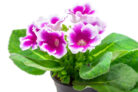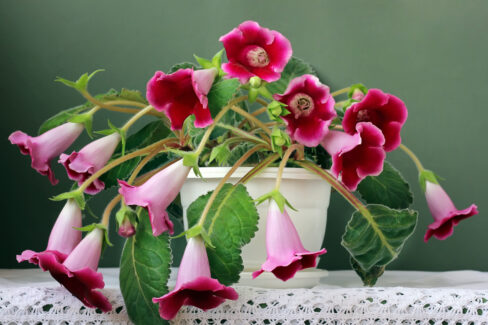
Looking to expand your collection of stunning gloxinias? You’re in luck! You can easily grow new plants by starting them from seed or by dividing the tubers. I’m going to walk you through both methods so you can decide which one works best for your garden. Trust me, once you get the hang of it, you’ll have these beauties popping up everywhere.
Propagating Gloxinias from Seed
If you already have gloxinias growing in the perfect spot in your garden, harvesting seeds is a breeze. Just let the flowers do their thing and stay on the plant until the seeds have fully matured. Of course, if you’re starting from scratch, you can always pick up a packet of seeds at your local garden center or order them online.
In the spring, grab a pot filled with high-quality seed-starting mix. Now, here’s the trick: gloxinia seeds are “light germinators,” which means they need light to sprout. Don’t bury them! Just scatter the seeds right on top of the soil. To create a mini-greenhouse effect, cover the pot with some plastic wrap and place it in a warm, bright spot. Make sure to mist the soil regularly and lift the plastic every so often to let in some fresh air (this prevents mold). Just a heads-up: it can take about three years for a seed-grown gloxinia to produce its first bloom, so patience is key!
Dividing Gloxinia Tubers
If you’re looking for a shortcut, dividing the tubers is definitely the way to go. Since you’ll likely be digging them up anyway to overwinter your gloxinias, it’s the perfect time to multiply your plants. By splitting one large tuber, you instantly get two separate plants.
Here’s the step-by-step:
- Dig up the tubers in the fall.
- Store them in a cool, dark, and dry place for the winter.
- In the spring, carefully divide the tubers into sections.
- Start the new pieces in pots indoors.
- Move them outside once the weather warms up.
Plant your divided tubers in pots with fresh potting soil starting around March. Keep them well-watered and give them a little fertilizer to help them get established. Wait until the threat of frost has passed and the soil is warm before transplanting them into the garden. The best part? These divisions will grow quickly, and you’ll be seeing those gorgeous flowers much sooner than you would with seeds!