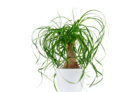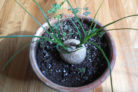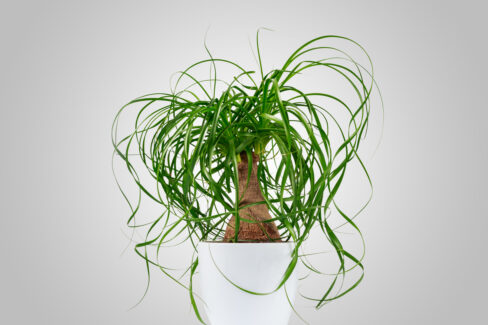
If your friends and family are constantly raving about your Ponytail Palm (*Beaucarnea recurvata*), why not share the love? Propagating these unique plants is a great way to create thoughtful gifts or even start your own little indoor forest. Whether you want to grow just one or a whole batch, here is how you can get it done.
Growing and Propagating Your Ponytail Palm
When it comes to propagating a Ponytail Palm, you have two main options:
- Using cuttings (offsets)
- Starting from seed
Using Cuttings
Cuttings are a super straightforward way to get a new plant going. These are usually taken from the little side shoots (offsets) that pop up in the leaf axils. If your mother plant has several potential pups, it’s best to take them one at a time rather than all at once. This keeps the parent plant healthy and stress-free. Here’s the play-by-play:
- Stick the offset into a small pot filled with moist seed-starting mix.
- Aim for a planting depth of about 2 inches.
- Give the cutting a light misting.
- Cover the whole thing with a clear plastic bag or dome to create a mini greenhouse.
- Every two days, lift the cover to let in fresh air and check the moisture levels.
- Place it in a bright spot where temperatures stay between 72°F and 77°F.
Once the cutting has rooted (usually after a few weeks), you can ditch the plastic cover. At this point, start a regular routine of light watering and a bit of fertilizer. You can also move it to a permanent spot that gets some nice morning or evening sun.
Starting from Seed
You can technically start propagating from seed any time of year, but spring and summer are really the sweet spots. You can buy seeds online or use your own if your plant has flowered. The best part about seeds? You can grow a whole bunch of plants at the same time! Just follow these steps:
- Soak the seeds in lukewarm water overnight to help them soften up.
- The next day, tuck them into a tray of moist seed-starting mix (about 1/4 inch deep).
- Cover the tray with a plastic dome.
- Find a bright, warm spot (72°F to 77°F) for the tray to sit.
- Air it out every two days and make sure the soil stays damp.
You should see the first little sprouts popping up in about four to ten weeks. Once they’ve developed strong roots and a few leaves, you can carefully transplant them into their own individual pots. From there, treat them like the little stars they are:
- Give them a bright spot with some gentle morning or evening sunlight.
- Water regularly, but keep it light—they don’t like soggy feet!
- Depending on the quality of your soil, use a little fertilizer sparingly.