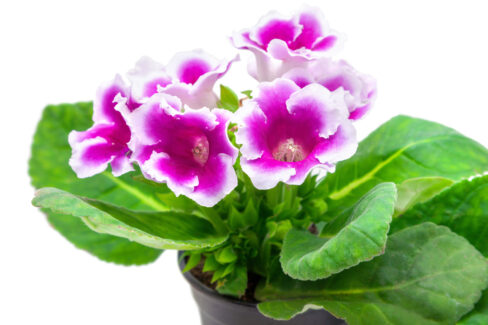
The Gloxinia is a hardy climber, but don’t let that fool you—winter frost can still throw a few curveballs its way. If you want to keep your plants happy and healthy, there are a few things you should know about protecting them during the cold months.
Watch out for winter moisture
Generally speaking, Gloxinias handle the cold pretty well. The real enemy? Excess moisture. If the tubers sit in soggy soil for too long, they’re prone to rotting. Since melting snow can easily waterlog your garden beds, winter actually poses a bit of a threat. Plus, hungry garden pests are often on the lookout for a snack during the winter and might decide your tubers look like a five-course meal.
To stay ahead of these issues, your best bet is to dig up the tubers from their spot in the garden before the first hard freeze. Moving them to a protected indoor space is the safest way to overwinter them.
Here’s the best way to store your excavated tubers:
- Let the tubers dry out completely after digging them up.
- Store them in paper bags or pack them in dry peat moss.
- Keep them in a dark, dry room until spring.
Getting your Gloxinias back in the ground
Once winter starts to wind down, it’s time to prep those tubers for the growing season. I highly recommend starting them indoors to give them a head start. In March, fill some pots with a good quality substrate and plant your tubers. This protects them from late-season frosts and prevents any issues with spring puddles, giving your plants the perfect start to the year.
You can let them wake up slowly in your house or a frost-free greenhouse. Usually, by May, it’s safe to move your Gloxinias back outside. This is also the perfect time to divide the tubers if you want to propagate your Gloxinia. A little extra work in the early spring really pays off—it’s a budget-friendly way to grow your garden collection while ensuring your original plants stay safe from rot and pests!