Lilies aren’t just a royal symbol found on the French coat of arms; they’re actually some of the oldest ornamental plants in history. If you’ve got a few of these beauties in your garden, it’s only natural to want more of them!
Two Ways to Grow Your Collection
If you’re looking to propagate your lilies, you’ve basically got two paths to choose from. You can start them from seed, or you can divide the bulbs. Personally, I’m a big fan of dividing the bulbs. The main perk? You know exactly what you’re getting. Since the new bulbs are genetically identical to the parent plant, you’re guaranteed the same flower color. If you go the seed route with seeds you’ve gathered yourself, the flower color can be a total surprise.
Growing from Seed
Another thing to keep in mind is that starting from seed takes a lot of patience—it usually takes much longer for the plant to actually bloom. Depending on the variety, lily seeds might sprout quickly, or they might take up to two years to show any life at all (and sometimes, they don’t sprout at all). But, if you’re up for the challenge, here’s how to do it:
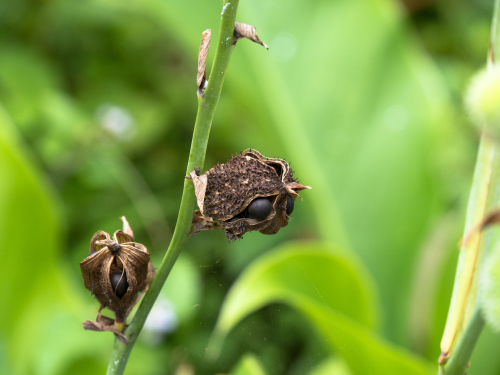
- Collect the seeds in the fall once they are fully ripe.
- Store them in the fridge or dry them out thoroughly.
- Start your seeds indoors around January or February.
- Soak the seeds in water for about three days before planting.
- Press them about half an inch deep into pots filled with a good seed-starting mix.
- Keep the soil consistently moist, but make sure it’s not soggy.
You’ll want to keep them in a spot that stays between 60°F and 70°F (15-20°C), so a cozy spot inside your house is usually best.
Dividing Your Lilies
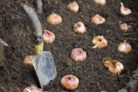
If you’d rather go the easier route and divide the bulbs, timing is everything. You’ll want to do this either early in the spring or in the fall after the flowers have faded. Dividing at these times is actually great for the plant—it rejuvenates the lily and helps it stay healthy. To start, carefully dig up the lily clump. Gently brush off the soil or use a light stream of water from the hose until you can clearly see the bulb structure. Once they’re clean, you can simply snap the individual bulbs apart and replant them.