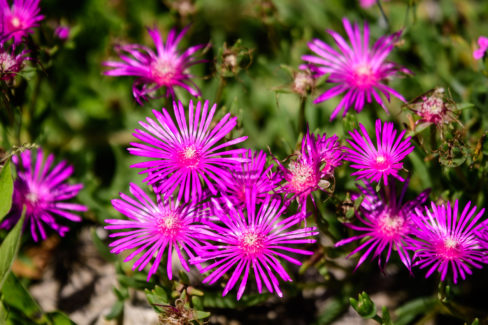
In the wild, ice plants (Mittagsblumen) are pretty independent—they love to spread their wings through natural self-seeding. But if you want to take the reins and expand your garden on your own terms, there are a few easy ways to do it. Let’s dive into the two most popular methods for propagating these sun-loving beauties.
Ice Plants and Natural Self-Seeding
If they’re happy in their spot, ice plants will usually take care of business themselves. Once their tiny seeds ripen, the wind and local insects carry them off to new corners of your garden. If they find a cozy patch of soil, they’ll sprout and start growing into brand-new plants all on their own.
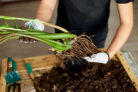
If you notice a “volunteer” plant popping up in a spot where you don’t want it, don’t worry! You can carefully dig it up and move it to a better location. Just be extra gentle with those delicate roots so the plant can settle in quickly and thrive in its new home.
Your Options for Controlled Propagation
If you’d rather not leave things up to chance, you can take a more hands-on approach. There are two main ways to propagate ice plants yourself:
- Growing them from seeds
- Taking cuttings (cloning)
Growing Ice Plants from Seed
To grow ice plants from scratch, you can either harvest seeds from your existing plants or grab a packet from your favorite local garden center. The best time to get started is around February. Instead of sowing them directly outside, start them indoors in seed trays on a sunny windowsill. If you keep them warm (around 70°F) and maintain a bit of humidity, you should see those cute little sprouts popping up within a few weeks.
Propagating Ice Plants from Cuttings
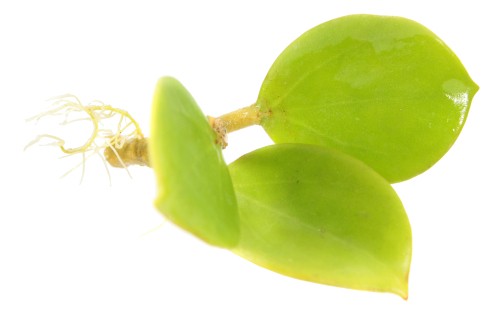
If you want a bit of a head start, taking cuttings is a fantastic shortcut. Simply snip off a soft, non-woody shoot about four inches long. Stick the bottom half into a pot filled with high-quality seed-starting mix and keep it in a bright, warm spot.
In a few weeks, you should see signs of new growth, which means roots have formed! Once your new plants look sturdy enough and the weather is right, they’re ready to be moved out into the garden.
Pro Tip: Check Your Hardiness
Keep in mind that not all ice plant varieties handle the cold the same way. Some are much more winter-hardy than others. To give your new plants the best shot at surviving the winter, try to get them in the ground by early spring. This gives them plenty of time to establish a strong root system before the first frost hits.