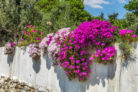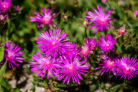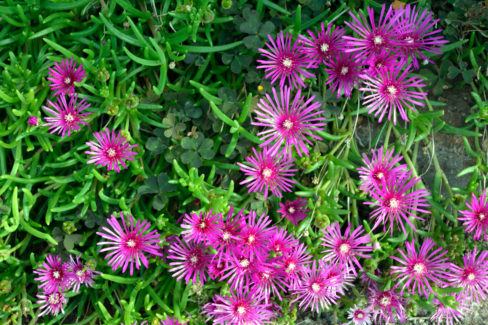
Not all ice plants are created equal when it comes to surviving the cold. While some are tough enough to stay outside all year, others are a bit more sensitive and need a cozy indoor spot to make it through the winter. If you want to see those vibrant blooms again next spring, a little winter prep goes a long way!
How Hardy Are Your Ice Plants?
Whether your ice plants survive the winter depends on a few different things. Of course, the specific variety matters most, but your local weather and where you’ve planted them play huge roles too.
Some types crave constant sun and dry soil, while others are okay with a bit of a chill. The biggest enemy here isn’t actually the cold—it’s wet feet! If the soil stays soggy for too long, even the “hardy” varieties can suffer from root rot and die off.
Hardy Varieties to Look For
If you want plants that can handle a typical winter, there are several great *Delosperma* varieties known for their toughness. Some of my favorites include:
- Delosperma ‘Indian Summer’
- Delosperma ‘African Queen’
- Delosperma ‘Red Fire’
- Delosperma ‘Golden Nugget’
- Delosperma ‘Fire Spinner’
Extra Protection for Outdoor Plants
Even if you have a hardy variety, it’s a good idea to give them a little extra help in the garden. You’re protecting them from two things: deep freezes and excessive moisture.
Keep Them Dry
Ice plants absolutely hate standing water. In fact, most winter losses are caused by dampness rather than the temperature. Make sure your soil drains well, go very easy on the watering, and if you’re expecting a ton of rain or sleet, try to provide a bit of a “roof” or cover to keep the worst of the wetness off them.
Shielding from the Big Freeze
When the temperatures really plummet, cover your outdoor plants with some frost cloth or burlap. A layer of mulch—like brushwood, dry leaves, or evergreen branches—can also act as a warm blanket. Just a heads-up: make sure your mulch isn’t so dense that it traps moisture against the plant, or you’ll run into that rot problem again.
Moving Non-Hardy Plants Indoors
If you’re growing varieties that can’t handle the frost, you’ll need to bring them inside. Dig them up carefully and pop them into pots for the winter. They’ll be happiest in a bright, dry spot that stays around 40–45°F (about 5°C). While they’re “vacationing” indoors, keep an eye out for pests, mold, or any signs of rot.
One cool bonus: ice plants are great at self-seeding! Sometimes the “mother” plant might not make it, but her seeds survive in the soil and surprise you with brand-new sprouts once the ground warms up in the spring.
Tips for Home-Grown Seedlings
If you’ve successfully propagated your own ice plants, timing is everything when it comes to planting them outside. Get them in the ground as soon as the danger of frost has passed in the spring. This gives the youngsters a full growing season to establish a strong root system before they have to face their first winter.
For those first few weeks in the garden, keep some frost fleece handy just in case a late-night cold snap tries to sneak up on your new babies!