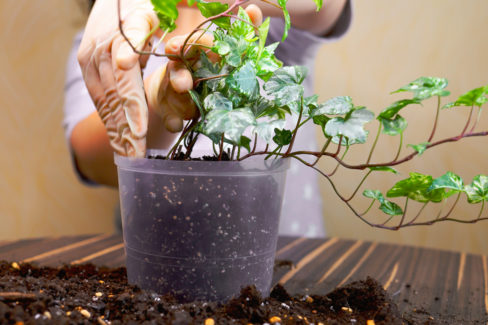
Propagating ivy is a total breeze, even if you’re new to the gardening game. As long as you can handle a pair of shears, you’re good to go! You don’t need any fancy rooting hormones or special equipment to get these guys to take hold. Here’s a quick guide on how to get it done.
The Best Time to Take Cuttings
Ivy is hardy, evergreen, and a fast grower. Once your plant has been established for a few years, you’ll have plenty of long vines to work with. You can technically take cuttings whenever you like, but the “when” depends on where your ivy is growing.
- Outdoor ivy: Best in the spring, though anytime through fall works.
- Indoor ivy: You can propagate houseplants year-round.
- Pro tip: Try to avoid the darkest winter months (Nov. to Feb.) since the lack of light can slow things down.
Quick Tip:
Since you should be pruning your ivy at least once a year anyway, don’t let those trimmings go to waste! They make perfect “donor” material for new plants.
How to Cut and Prep Your Cuttings
While you can use the very tips of the vines (tip cuttings), “section cuttings” usually work best for ivy. Look for a healthy, vigorous vine that is about a year old and slightly woody. Using a sharp, sterilized knife, cut the vine into sections about 4 to 6 inches long. If the very tip of the vine looks weak or spindly, go ahead and toss that part. Here’s how to prep your pieces:
- Strip off the bottom leaves.
- Lightly score (scratch) the bottom of the stem.
- Let the cuttings air-dry for a few hours before planting.
Important Note:
Cuttings only grow if they are planted right-side up! Make sure you keep track of which end was closer to the roots and which was closer to the tip. You might want to mark the bottom end so you don’t accidentally try to plant it upside down.
Into the Water or the Soil
You’ve got two easy options here. First, you can pop your cuttings (bottom-side down!) into a glass of water. Place them on a bright, warm windowsill, and you’ll see roots start to sprout within just a few days. Once the roots are about an inch long, they’re ready for soil.
Alternatively, you can skip the water and go straight into small pots filled with seed-starting mix. Keep the pots in a warm, bright spot out of direct sunlight. Keep the soil consistently moist (but not soggy). If your house is dry, a clear plastic cover can help create a mini-greenhouse effect.
You’ll know you’ve been successful when you see new green growth popping up! Once you see roots poking out of the bottom of the pot, it’s time to repot them. If they’re looking strong by autumn, you can even move them to your outdoor garden.
Quick Tip:
Life gets busy! If you can’t plant your cuttings right away, stick them in a plastic bag and keep them in the fridge (around 35-40°F). They’ll stay fresh for several days until you’re ready for them.