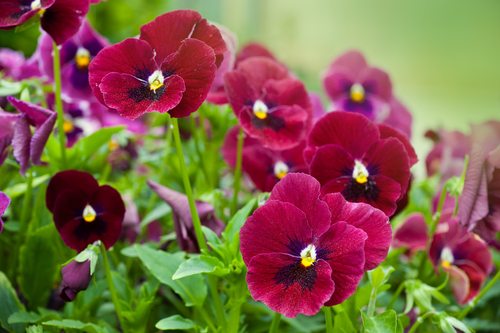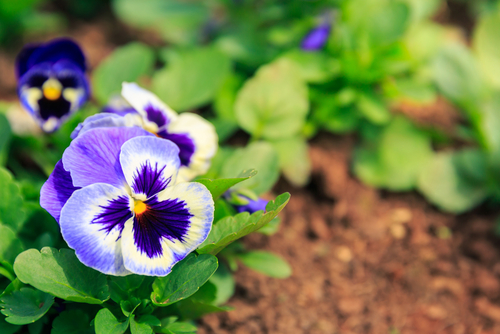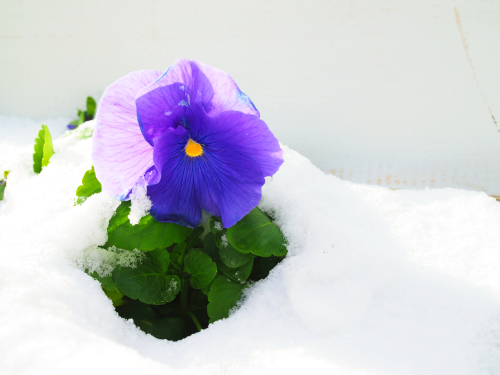
The vibrant colors of pansies often inspire gardeners to try and propagate them at home. However, I’ll be honest with you: those efforts usually don’t end well. If you’re looking for success, you’ll have much better luck with their close cousins, the Johnny Jump-ups (violas).
Why collecting seeds usually isn’t worth it
When it comes to propagating garden plants, there are usually a few different ways to go about it. Since pansies are biennials, most methods are off the table right from the start. That leaves you with seed harvesting. But here’s the catch: most pansy varieties you buy are F1 hybrids. Their seeds rarely germinate, and even if they do, there’s no guarantee the new plant will look anything like the parent. More often than not, the offspring are smaller and the flower colors are totally different.
Starting from store-bought seeds
Even though saving your own seeds is tricky, it still makes a lot of sense to grow pansies from seed rather than buying established plants at the nursery. For one thing, it’s way cheaper. Plus, home-grown plants are usually much hardier than the ones you find at the big-box stores. They tend to produce more blooms, and their blooming season usually lasts a lot longer, too.
The exception: Johnny Jump-ups (Violas)
There’s a bit of a special case when it comes to Johnny Jump-ups, which are closely related to pansies. They have slightly smaller flowers, but they make up for it by producing a ton of them. Most importantly, while pansies are biennials, Johnny Jump-ups are often perennials. This means you can actually propagate them by division. The best time to do this is in the fall, which is also a great time to give them a little trim anyway.
To wrap it up, here’s what you need to know about propagating pansies:
- Harvesting your own seeds usually isn’t worth the hassle.
- Pansies grown from seed are tougher and bloom better than pre-grown store plants.
- If you’re growing Johnny Jump-ups, you can easily propagate them by dividing the plants.