Propagating your own pear tree is a rewarding project for any home gardener. There are several ways to go about it, and while some are easier than others, they all offer a great way to multiply your favorite fruit. Let’s dive into the different methods you can try.
To grow a new pear tree, you have a few main options:
- Growing from cuttings
- Grafting or budding
- Air layering
- Growing from seeds
Propagating from Cuttings
If you’ve discovered a pear variety that tastes absolutely amazing, you can try to replicate it by taking cuttings. Here’s a quick step-by-step guide:
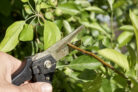
- In early spring, before the tree starts blooming, cut a few 4- to 8-inch branches.
- Fill a pot with high-quality seed-starting mix and insert the cuttings about 2 inches deep into the soil.
- Water them well, cover the pot with a clear plastic bag to create a mini-greenhouse effect, and place it in a warm spot.
- Now, you’ll need some patience. After about 6 weeks, you should see new growth, which is a sign that roots are starting to form.
- Once they’ve rooted well, repot them and wait until mid-May (after the last frost) to plant them outside.
Grafting and Budding
This is the classic “pro” method. With grafting, you take a “scion” (a small one-year-old branch) and join it with a rootstock. You make matching diagonal cuts on both the scion and the host branch, fit them together, and wrap them tightly. Another variation is bark grafting, where the scion is tucked directly under the bark of the host tree.
Propagating by Air Layering
Air layering is a clever and highly successful trick to get a branch to grow roots while it’s still attached to the mother tree. The best time to do this is in the spring while the tree is in bloom. Here’s how:
- Pick out a healthy, flowering branch.
- About 4 to 8 inches away from the tip of the branch, remove a ring of bark. Make two circular cuts around the branch about an inch apart and peel the bark away.
- Take a sturdy plastic bag (like an empty soil bag) and tie it tightly around the branch about 8 inches below your cut, forming a pouch.
- Pack the pouch tightly with damp moss and tie it off above the cut. Leave a tiny opening at the top so you can add water later if the moss dries out.
- Poke a few small holes in the bottom of the bag so excess rainwater can drain.
- By fall—or at the latest, by next spring—roots will have grown into the moss. At that point, you can snip the branch off and plant your new little tree!
Growing from Seeds
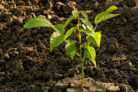
During the winter months, you can try growing a pear tree from scratch using seeds. Pear seeds need a “cold treatment” (stratification) to germinate, so pop them in the fridge for a few weeks first. After that, plant them in pots with good soil and keep them warm and moist. In a few weeks, you’ll see tiny seedlings popping up.
Quick Tip: Propagating pear trees yourself is a fantastic way to save a delicious heirloom variety you might have found in an old orchard. It’s the best way to ensure those unique flavors stay in your garden for years to come!