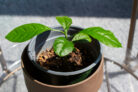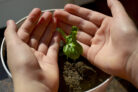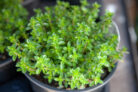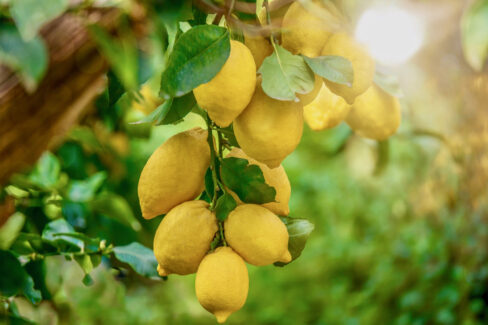
Since lemon trees (*Citrus x limon*) don’t naturally branch out very well on their own, giving them an annual trim is a must. But here’s a pro tip: don’t just toss those clippings! If you plan your pruning right, you can use that garden waste to grow brand-new little lemon trees.
Layering vs. Cuttings: What’s the Difference?
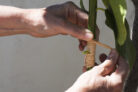
Depending on the plant, you can usually propagate using either “layering” or “cuttings.” The big difference? Cuttings are snipped off the mother plant right away. Layering, on the other hand, involves letting the shoot develop its own roots while it’s still attached to the main tree before finally making the cut.
Propagating Your Lemon Tree
Because the *Citrus x limon* is an evergreen, the best way to get more plants is through stem cuttings.
Taking Your Cuttings
The best time to prune your lemon tree is in the spring. Since you’re already doing your annual shaping anyway, you might as well put those leftovers to work! Plus, spring marks the start of the main growing season, which gives your new cuttings the best head start possible.
When picking out the perfect cuttings, look for these traits:
- Semi-hardwood shoots from the previous year’s growth
- About 4 to 6 inches (10–15 cm) long
- A few buds and one or two small leaves on the stem
Planting the Cuttings
Start by filling small pots with a high-quality seed-starting mix. Use a planting tool (or just your finger) to poke a small hole in the soil, then tuck the cutting in about halfway deep. Gently press the soil down around it and give the surface a light misting with water.
To create that cozy, humid “tropical” vibe they love:
- Place the pots in a mini indoor greenhouse, or
- Pop a clear plastic bag over the pot and the cutting
Now, move your new project to a bright, warm spot. Just make sure they aren’t sitting in harsh, direct sunlight or stuck in a drafty hallway.
Watching Them Grow
Once you see new growth popping up, you’ll know they’ve successfully rooted! At this point, you can ditch the plastic cover. When you see roots starting to peek out of the bottom of the pot, it’s time to carefully transplant your “babies” into larger containers. From here on out, you can treat them just like a mature lemon tree.
If your little plants have turned into sturdy youngsters by mid-summer, they’ll love spending the rest of the sunny season in a sheltered spot on your balcony or patio.