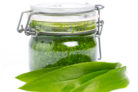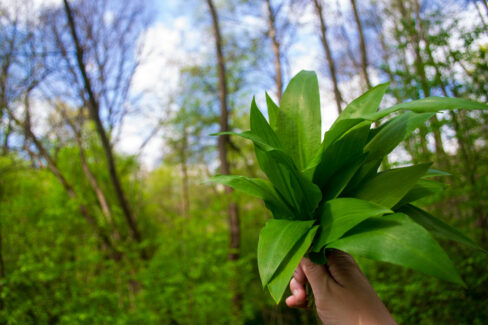
Most of us go straight for the leaves when we’re out foraging for wild garlic (also known as ramps or bear’s garlic), but did you know you can actually use the flowers, seeds, and even the bulbs? Depending on what part of the plant you’re after, there are a few tips and tricks to keep in mind to make sure you’re getting the best flavor possible.
Harvesting starts in March
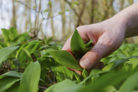
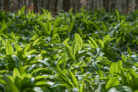
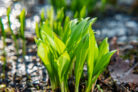
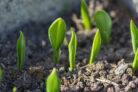
The wild garlic season usually kicks off around late March. This is when you’ll spot those first tender green leaves popping up. A quick word of caution: only pick them this early if you’re 100% sure you can identify them! Early in the season, some of the key identifiers—like the distinct triangular stem—aren’t always fully developed. You definitely don’t want to mix these up with look-alikes like Lily of the Valley.
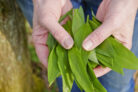
Beyond that triangular stem, take a close look at the leaf itself. The top side should be a lush, vibrant green, while the underside is more of a matte finish. And don’t rely solely on the “sniff test.” Once you’ve picked a few leaves, the garlic scent sticks to your fingers, making everything you touch smell like wild garlic—even if it’s a different plant!
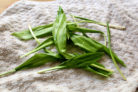
By April, we’re in peak harvest season. The leaves are usually fully grown by then and packed with that intense, signature aroma. These mature leaves are perfect for cooking. If you manage to find smaller, younger leaves, save those for eating raw—they’re fantastic in salads.
Harvesting the flowers
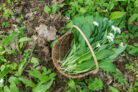
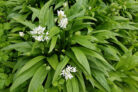
When you decide to pick is really up to you, but remember: the leaves aren’t the only prize. Every part of the plant is edible, and you can even use wild garlic after it blooms. Just keep in mind that the leaves lose some of their punch once the flowers start to show up.
The buds and blossoms are a treat in their own right. You can pickle the buds or sauté them as a unique garnish for all sorts of dishes. (Just a heads-up: eating the buds raw can cause a bit of an upset stomach for some folks). The flowers have a really interesting flavor profile—they have that classic garlicky kick but with a delicate hint of honey, which is exactly why the bees love them so much.
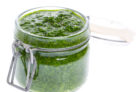
You can preserve the flowers in a simple vinegar brine, or even whip them into a floral pesto. Some gardeners even infuse them in honey. It’s said to be great for your health and a tasty way to ward off seasonal bugs!
Harvesting the seeds
Once the flowers fade—usually around mid-to-late May—it’s time for the seeds. You can use both the green wild garlic seeds and the mature black ones in your kitchen. Be prepared, though: they are spicy! They have a heat similar to peppercorns and can be used in much the same way.
To dry the green seeds, remove any leftover stems and spread them out on a baking sheet. Pop them in the oven at about 120°F (50°C) with the door slightly cracked. They usually dry out completely within a few hours. Once they’re dry (or if you’re using the ripe black seeds), you can put them right into a pepper grinder for a garlicky spice blend.
You can also treat the green seeds like “green peppercorns” by pickling them. Just clean them, put them in a small jar, and pour a boiling mixture of vinegar and water over them. Feel free to add your favorite spices to the brine! These will stay good in the fridge for several months.
Harvesting the bulbs
Yes, you can harvest the bulbs too! However, you should wait until the plant has completely died back for the season. Ideally, wait until fall. This gives the plant a chance to produce “daughter bulbs” over the summer, which is how it spreads.
Only take the larger bulbs and tuck the tiny ones back into the soil so you’ll have a harvest next year. Actually, thinning out the bulbs every now and then is good for the patch—it encourages new growth. If the wild garlic gets too crowded, the leaves won’t grow as large or healthy.
You can use the bulbs just like small onions or garlic cloves. They’re great pickled in vinegar or lightly sautéed and stored in oil.
Storing your harvest
If you’re harvesting the leaves, try to use them as soon as possible. They only stay fresh in the fridge for a few days. My favorite trick is to put the leaves in a freezer bag with a few drops of water, blow some air into the bag to puff it up, and seal it tight. This creates a high-humidity environment that keeps them from wilting for about three days.
Don’t push it much longer than that, or you might run into mold issues. Plus, without light, the leaves will eventually start to turn yellow. As for the buds and flowers? Those are best used immediately after picking!