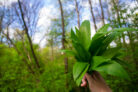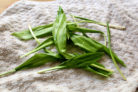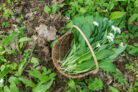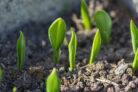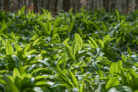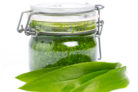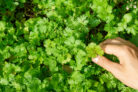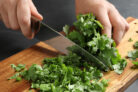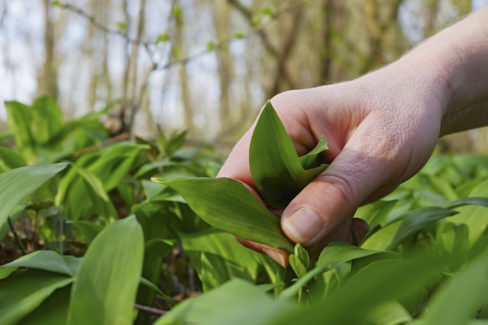
Depending on the weather, wild garlic season can kick off as early as the first signs of spring. How long your harvest lasts really depends on Mother Nature and which parts of the plant you’re after—because trust me, there’s way more to enjoy than just the leaves!
Harvesting Starts in Late March
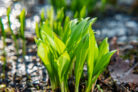
The earliest you’ll usually want to start picking is late March. If you’re foraging in the wild, I’d definitely recommend waiting until then to avoid any dangerous look-alikes. However, if you’ve got a patch in your own backyard where you know exactly what’s growing, you can snag those first tender green shoots early on. They are absolutely delicious eaten fresh!
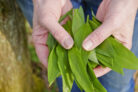
The “perfect” time to harvest depends on a few things, but generally, you want to grab the leaves when they’re fully formed but still nice and tender. While you can still harvest after the plant flowers, the flavor profile changes a bit, and they aren’t quite as versatile in the kitchen.
Don’t Forget the Buds and Flowers
If you’re looking for some unique flavors, don’t sleep on the buds and blossoms. Wild garlic buds are fantastic when pickled—they’re often called “false capers.” The open flowers are also great pickled in vinegar or blended into a floral pesto.
Just a heads-up: don’t bother freezing the flowers. Their delicate aroma pretty much vanishes in the freezer. They don’t dry very well either. If you want to toss the buds into a cold dish like a salad, I recommend giving them a quick sauté first. It makes them easier to digest and lets you use a whole lot more of them in your recipes!
Harvesting Seeds and Bulbs
Did you know you can harvest both the immature green seeds and the fully ripe black ones? The green seeds have a real kick to them! Once dried, they make a great substitute for black pepper.
You can also preserve the bulbs in vinegar or oil. A word of advice, though: only harvest the bulbs if you have a massive, established patch in your garden. Please avoid digging up bulbs in the wild! It prevents the plant from spreading, as wild garlic relies on both seeds and daughter bulbs to multiply.
If you are harvesting from your own garden, stick to the larger bulbs. Tuck the smaller ones back into the soil so they can grow back into beautiful green leaves next year.