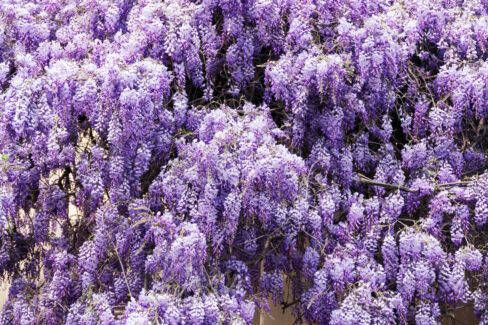
Not every plant handles a heavy pruning well. Some take forever to bounce back and regain their former glory. But when it comes to Wisteria, it’s a totally different story! This vigorous climber can handle a radical “hard prune” without breaking a sweat—as long as you do it the right way.
The Pros and Cons of a Hard Prune
Usually, you’ll want to give your Wisteria a trim once or twice a year. But if your plant has been neglected for a while and has turned into a tangled mess, a radical pruning might be your best bet. It’s the perfect way to get that wild growth back into a beautiful, manageable shape.
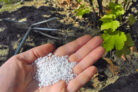
Just a heads-up: if you go heavy with the shears, you might have to wait a little while for those iconic blooms to return. But trust me, once they do, they’ll be more spectacular than ever! That’s why a hard prune is often called a “rejuvenation cut.” To help your plant bounce back quickly, make sure to give it some TLC with the right fertilizer afterward.
Here’s what you’ll need to keep your Wisteria happy:
- Well-aged compost
- Low-nitrogen slow-release fertilizer or a low-nitrogen liquid feed
- Soft water (low in lime/calcium)
When is the Best Time to Prune?
You can tackle your Wisteria pruning in either the spring or the fall. Keep in mind that these plants don’t bloom on brand-new growth. Depending on when you cut, you might have to wait until the following blooming season to see that gorgeous purple carpet in your garden again. If the plant starts taking off like crazy after its haircut, you can even do a light “maintenance trim” later in the year. It really just depends on how you want your Wisteria to look.
In the weeks following a major prune, make sure to keep the plant well-watered. During the warmer months, it’s a good idea to fertilize about once a month. Once fall hits, stop the fertilizer entirely. This allows the Wisteria to send its energy down into its roots for the winter. While young plants might need a little extra protection during the coldest months, established Wisteria is generally a very hardy plant.