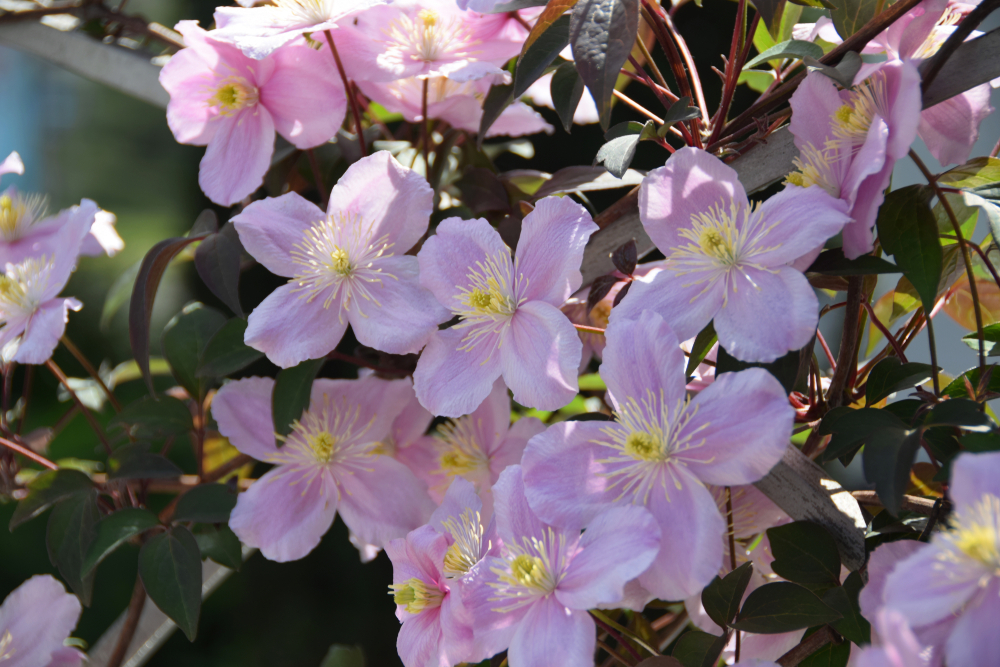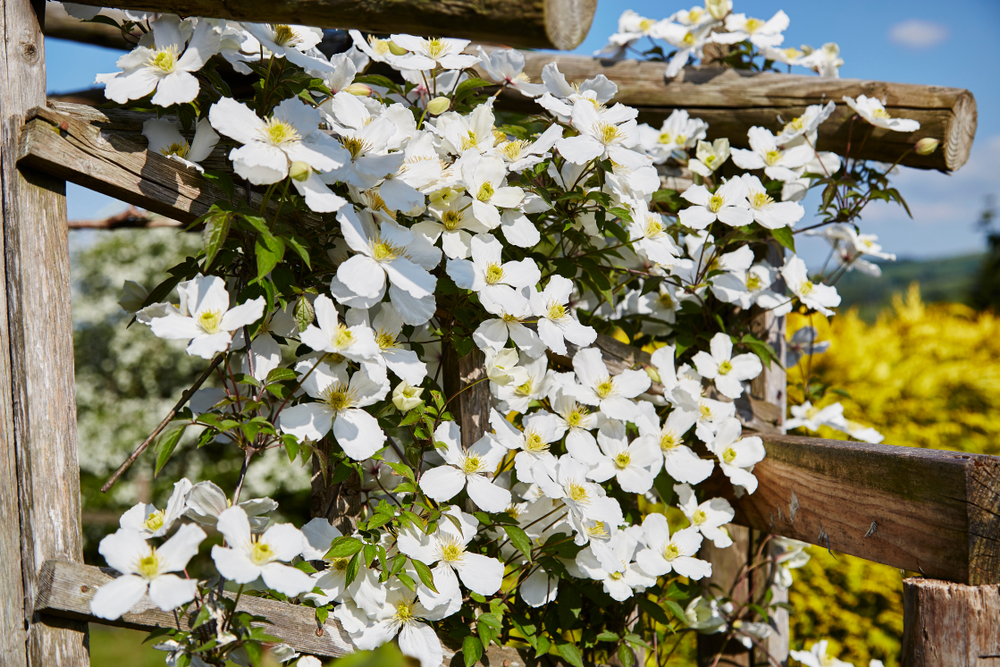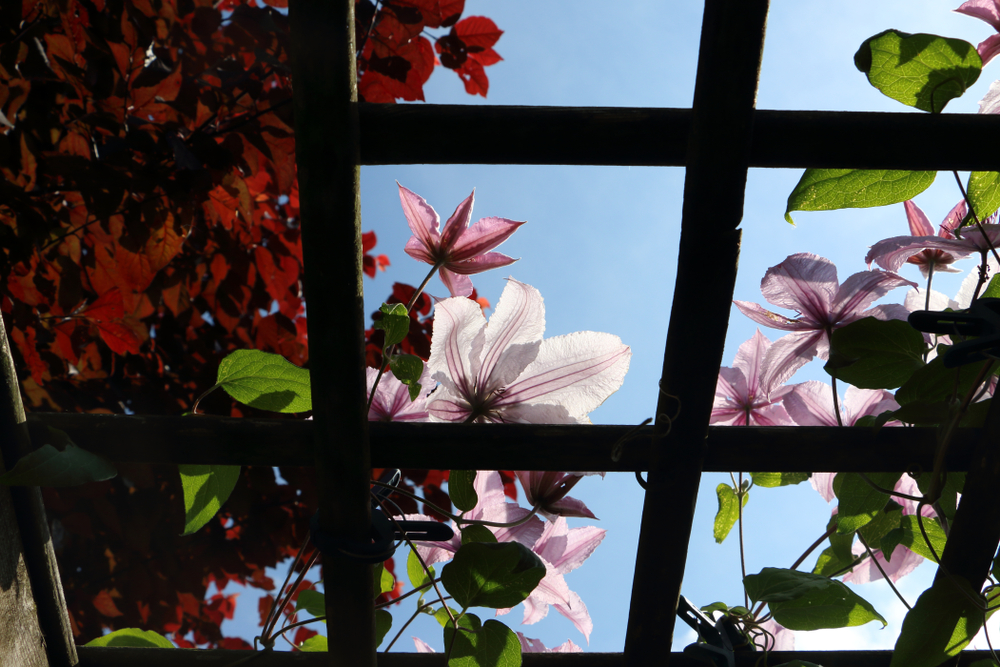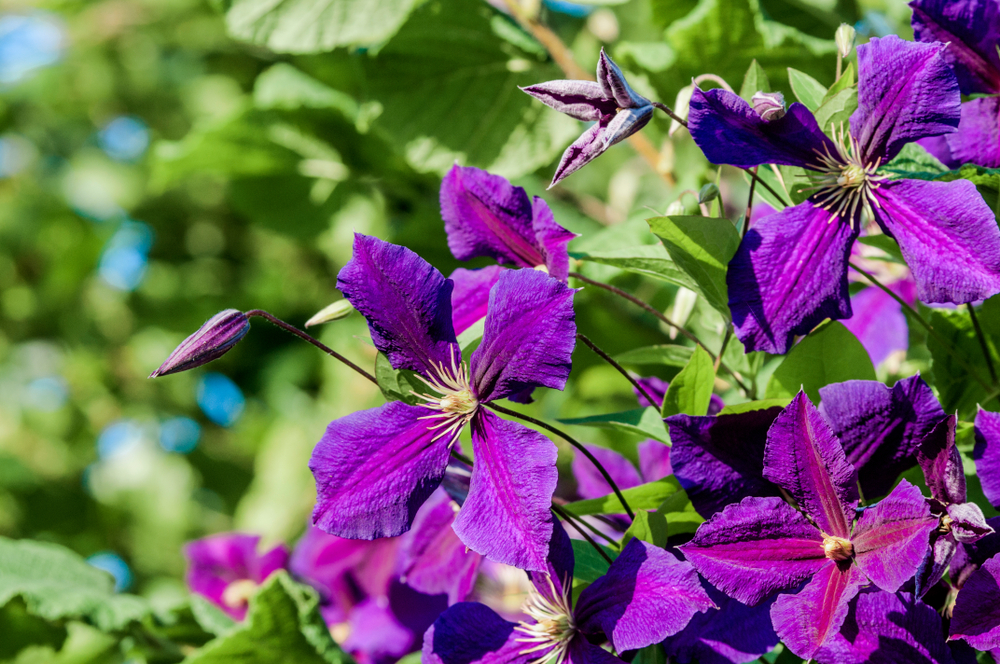
Clematis is a total favorite for gardeners, mostly because of those stunning, colorful blooms. But if you really want to make a statement, large-flowered hybrids are the way to go. Not only are the flowers massive, but these varieties have a hidden talent: they bloom twice a year! Because of this double-show, they need a specific pruning routine, which is why they fall into “Pruning Group 2” (often referred to as Group B).
Wait, what are pruning groups anyway?
Think of pruning groups as a roadmap for your plants. Since Clematis species grow all over the world in all sorts of climates, they don’t all bloom at the same time. These groups help you figure out exactly when and how to prune your specific variety so you don’t accidentally cut off next year’s flowers.
Timing is everything
For plants in this group, that second bloom in late summer means you have to wait until they’re finished before doing any major cleanup. It used to be common wisdom to wait until February to prune so the plant could handle the winter better. However, since long, freezing winters aren’t as common as they used to be, many gardeners now prune in November or December. If you wait too long into the spring, you might accidentally snip off the new buds that started developing over the winter!
Light trim vs. hard prune
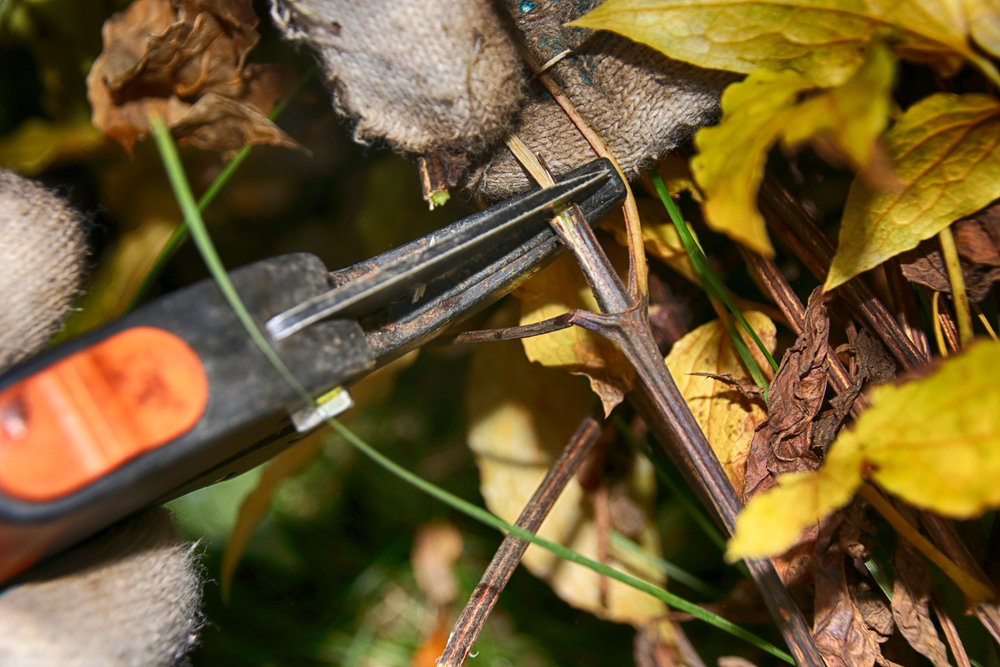
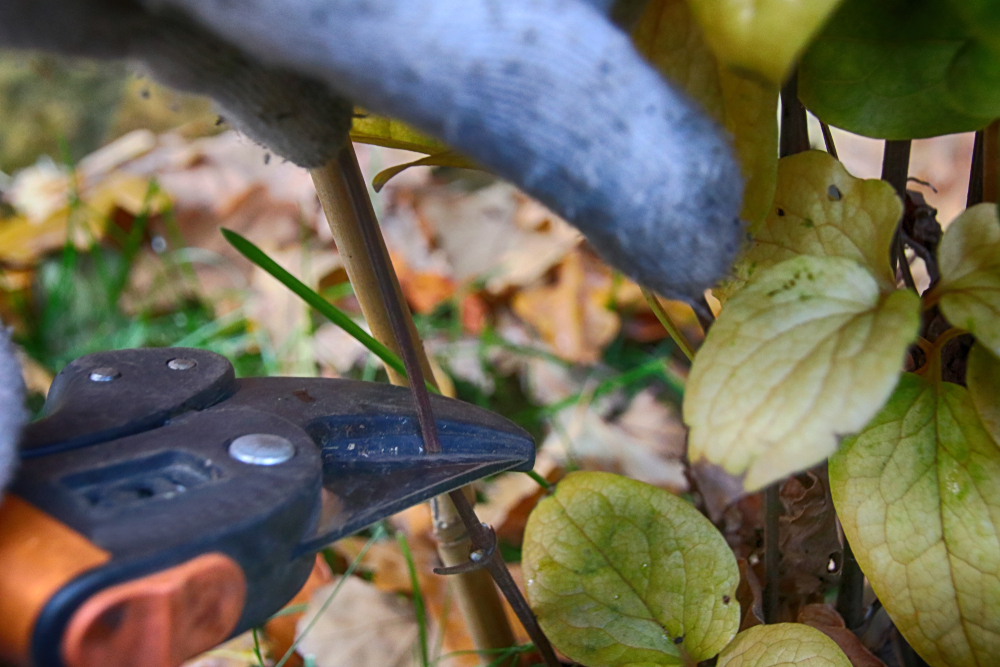
You can actually give your Clematis a “haircut” twice a year. After the first flush of flowers in the spring, go in for a light trim. Just be gentle—you’re mostly just deadheading the faded flowers or cutting back to the first pair of leaves.
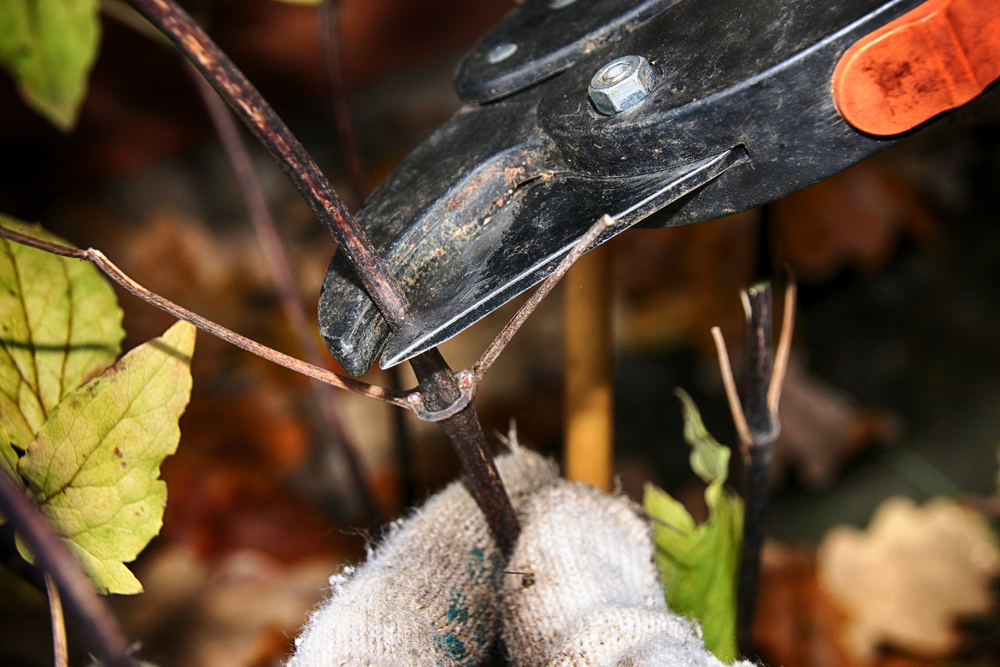
In late autumn, it’s time for the heavy lifting. You’ll want to do a harder prune, cutting the stems back by about half. Just make sure to get this done before the first hard frost hits.
Here’s the quick cheat sheet for Pruning Group 2:
- Give it a light trim after the first bloom.
- Go for a heavy prune after the second bloom.