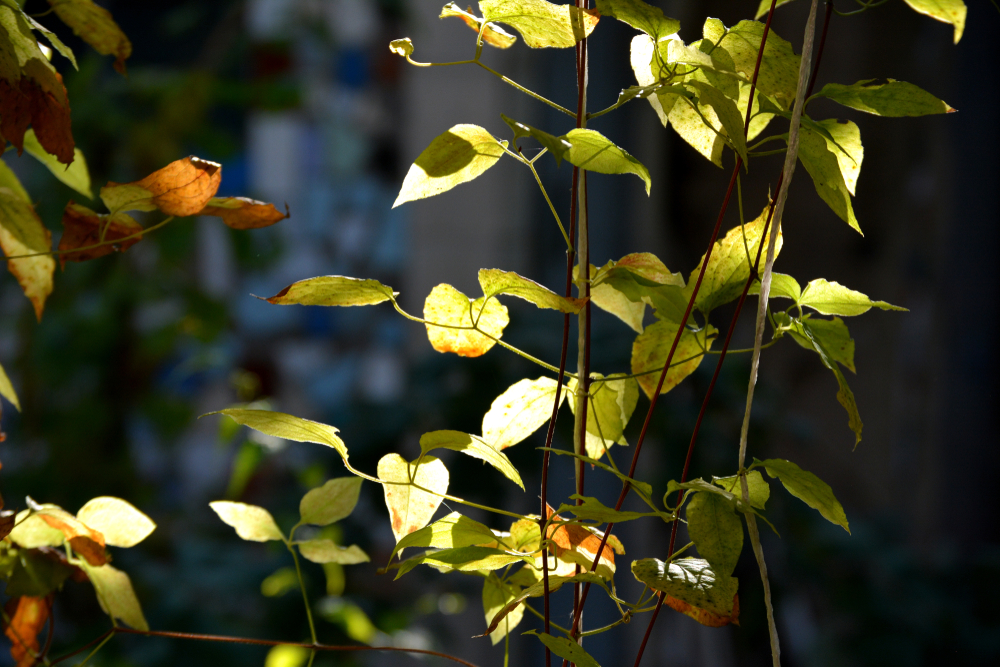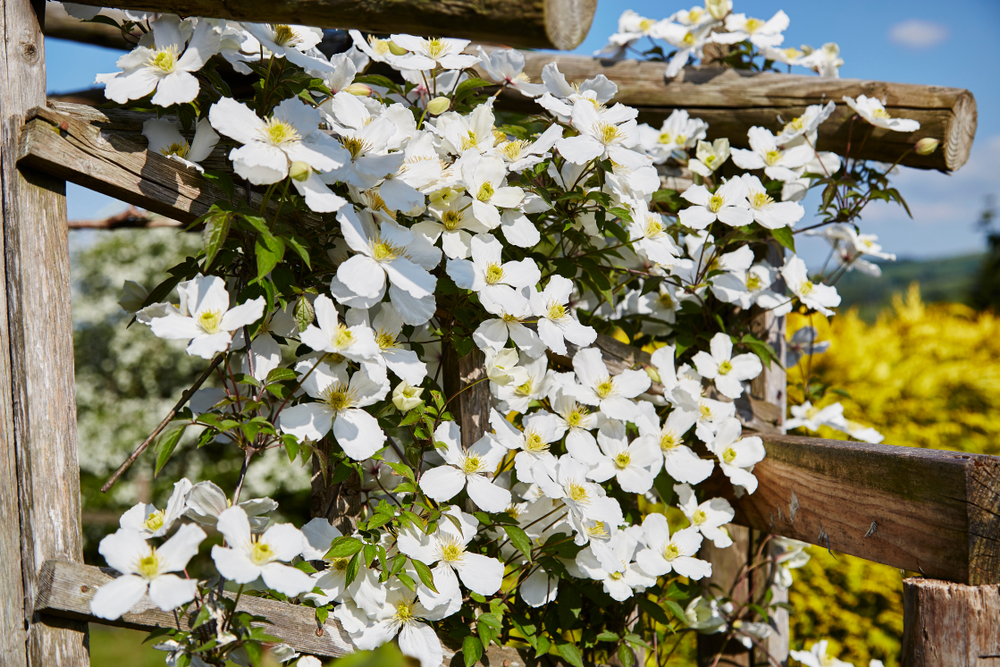
One of the coolest things about Clematis is that you can find them growing wild all over the globe, usually hanging out along forest edges and sunny clearings. Because there are so many different varieties, they’ve adapted to all sorts of climates. This diversity is exactly why different types bloom at different times—and that timing is the secret key to knowing if, when, and how you should prune them.
The Basic Breakdown
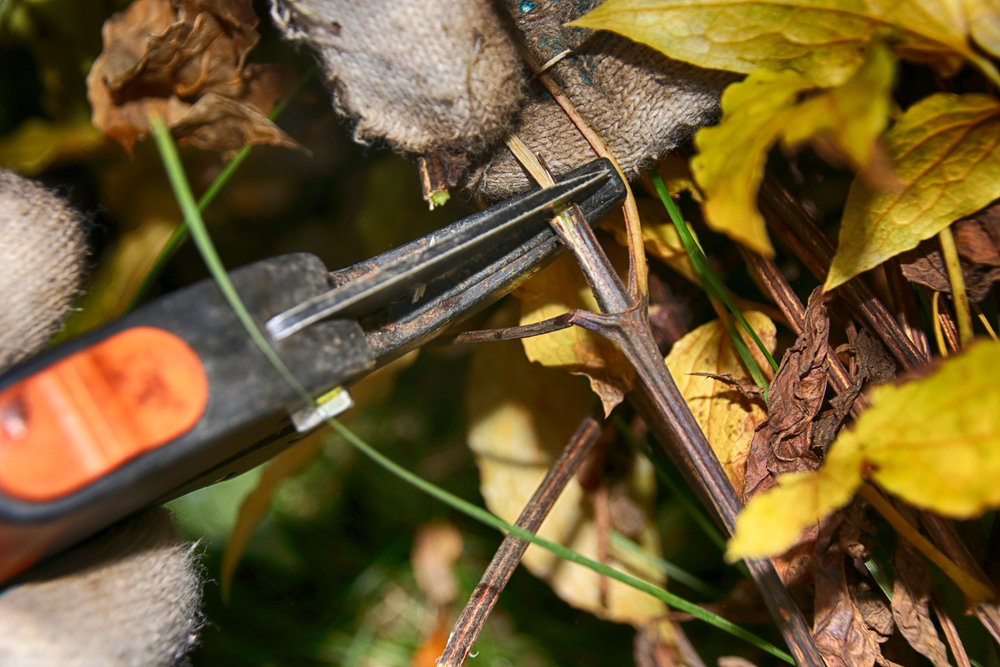
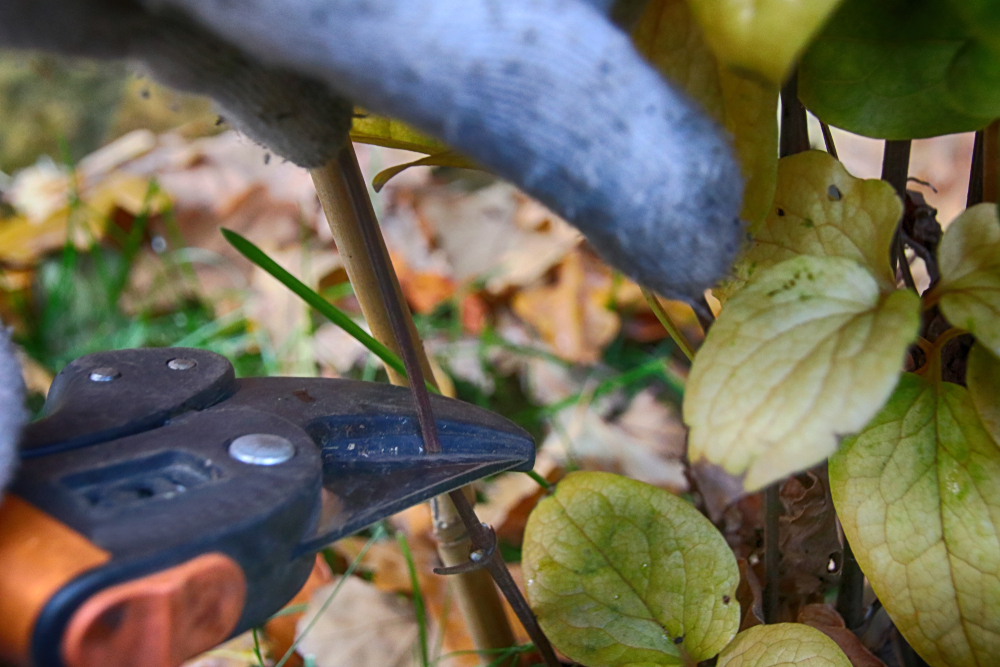
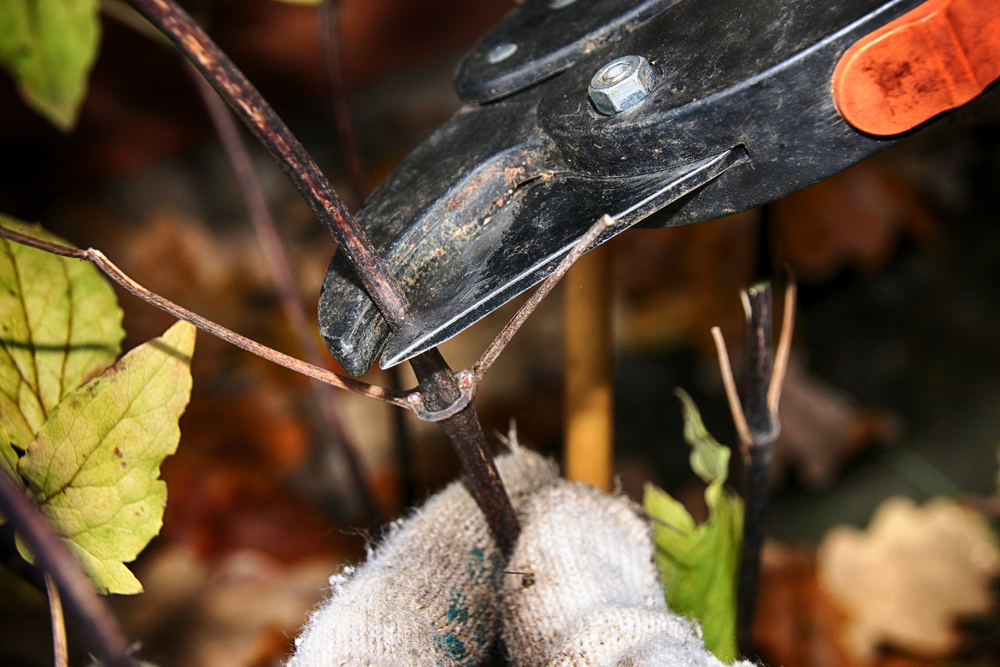
When it comes to pruning Clematis, there isn’t a “one size fits all” rule. Instead, gardeners break them down into three main pruning groups. Whether you need to grab your shears or leave the plant alone depends entirely on which group your specific variety falls into. This also dictates the best time of year to get the job done.
Hardy Varieties That Don’t Need Pruning
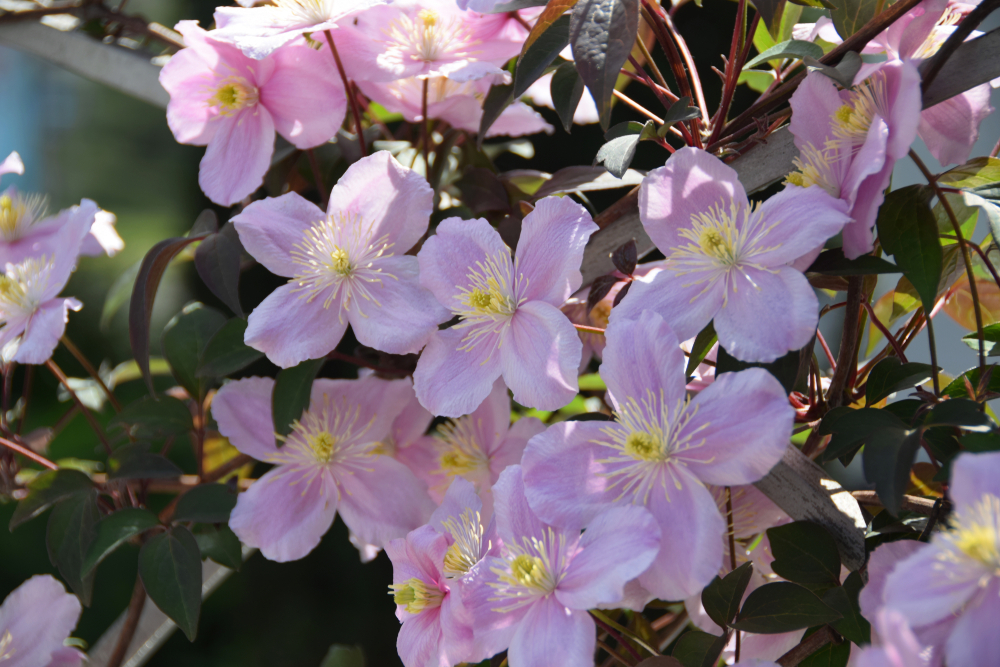
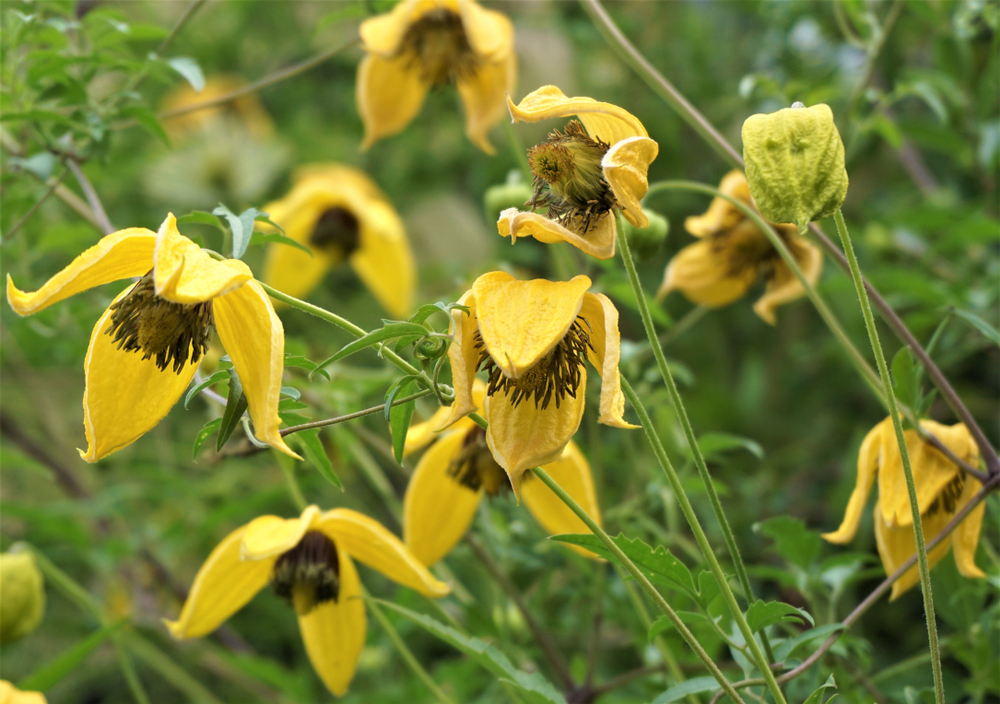
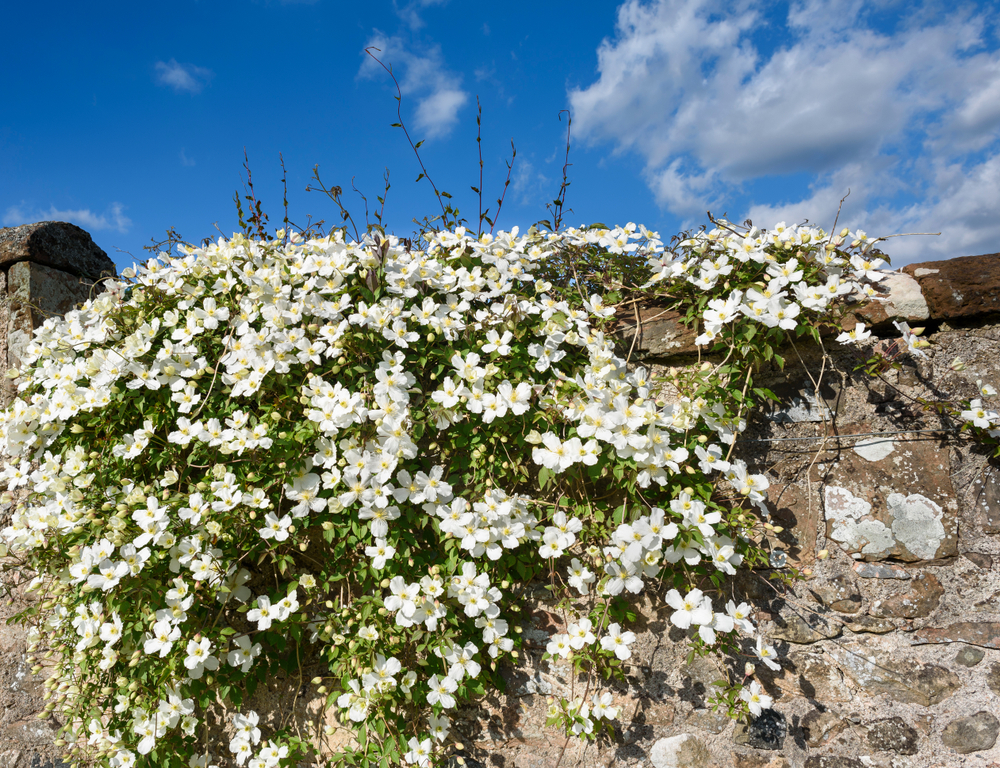
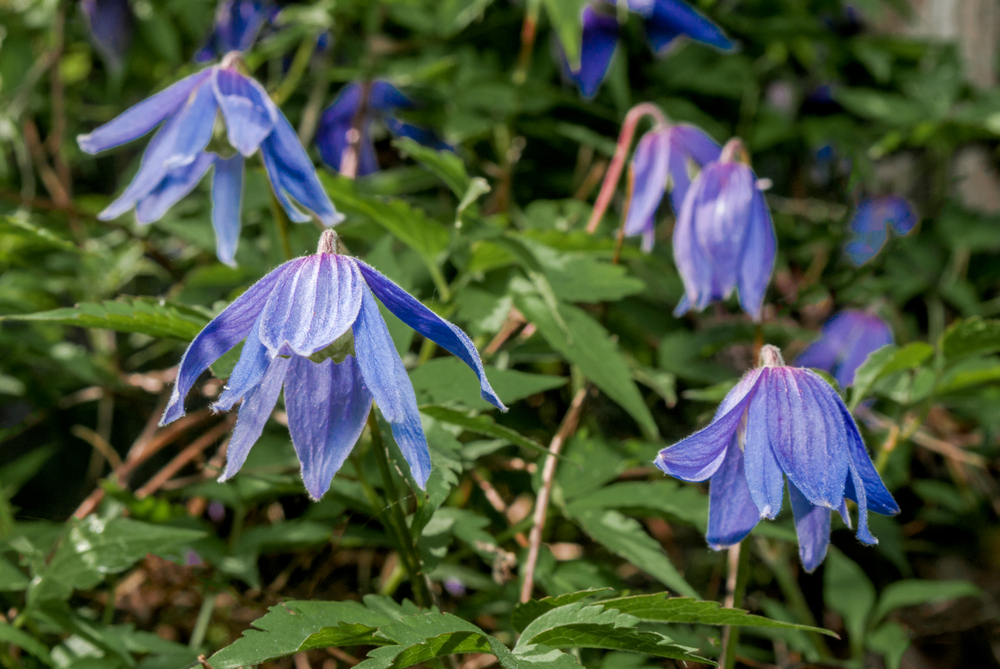
If you’re looking for a low-maintenance option, the varieties in Pruning Group 1 are your best friends. This group includes beauties like the Alpine Clematis (Clematis alpina) and the Anemone Clematis (Clematis montana). These guys are early bloomers, meaning they set their flower buds on “old wood” during the previous autumn. If you prune them before winter, you’re basically cutting off next year’s flowers! Generally, you can just let them do their thing. However, if they’re getting a bit too wild, you can give them a light trim in May, right after they finish blooming.
When Pruning is a Must
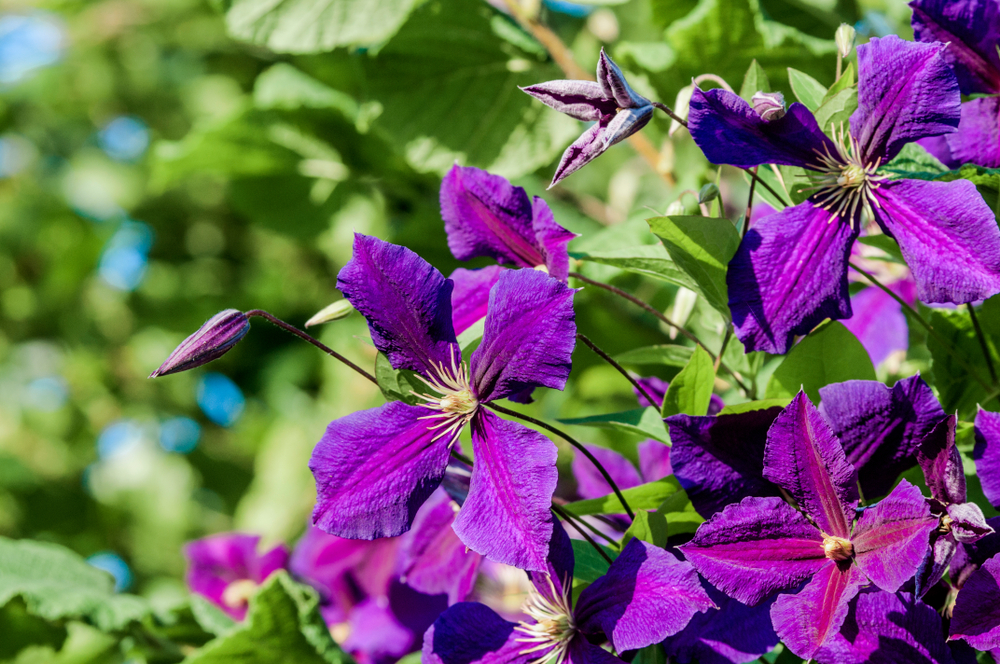
For varieties in Groups 2 and 3, you’ll definitely want to stay on top of your pruning game. Group 2 varieties are the overachievers that bloom twice a year; they appreciate a light tidy-up in early summer and a more significant cut in the fall. Then you have the summer bloomers in Group 3. These need a pretty heavy cut to stay healthy and vibrant. The best time to tackle those is during November or December.