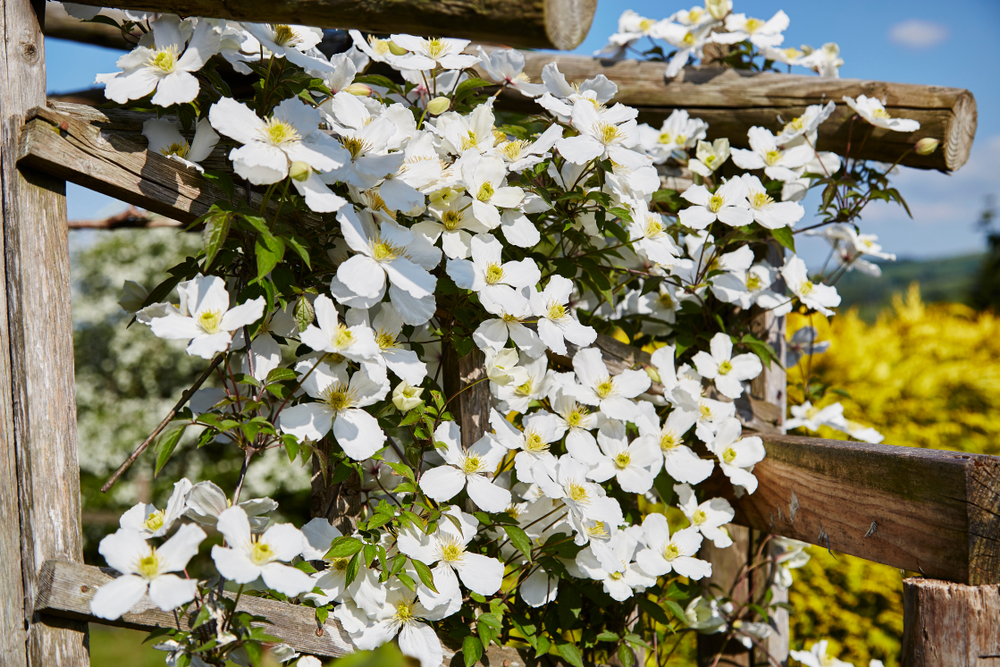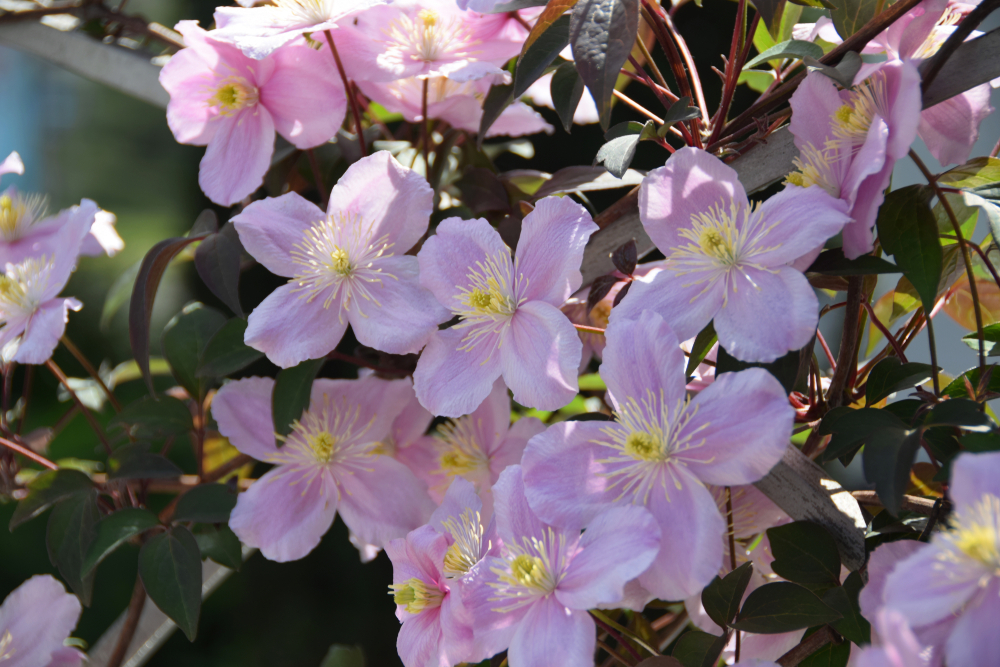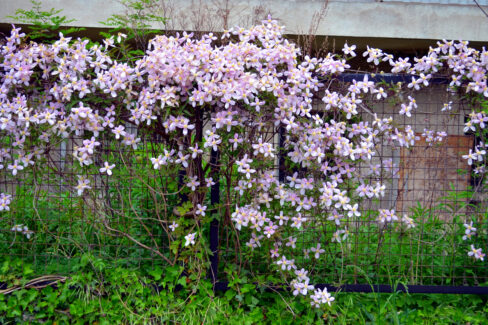
Among the massive Clematis family, the *Montana* group is a real fan favorite for home gardens. But because they grow so vigorously and have a relatively short blooming window, things can get a little confusing when it’s time to break out the pruning shears.
Pruning Clematis montana After Blooming
These beauties originally come from alpine regions and have a specific habit: they bloom in early spring on “old wood” (the growth from the previous year). If you were to prune them in late winter—which is standard for many other climbers—you’d accidentally cut off most of the buds that produce the flowers later on.
That’s why the *Montana* group falls into “Pruning Group 1.” For these plants, the rule of thumb is to be gentle and follow these steps:
- Prune your Clematis montana immediately after it finishes blooming, usually between June and July.
- Wait until the plant has been established for 1 to 2 years before you start any major pruning.
- Keep it light—only trim back a few individual vines rather than doing a massive overhaul.
The “Establishment Cut” for New Plants
Regardless of which pruning group your plant belongs to, it’s a smart move to give newly planted clematis what we call an “establishment cut.” You’ll want to do this during its first year, sometime between November and December. Simply cut the young shoots back to about 8 inches (20 cm) above the ground. It might feel a little drastic, but your clematis will thank you later with much healthier, bushier growth!
The Best Way to Make the Cut
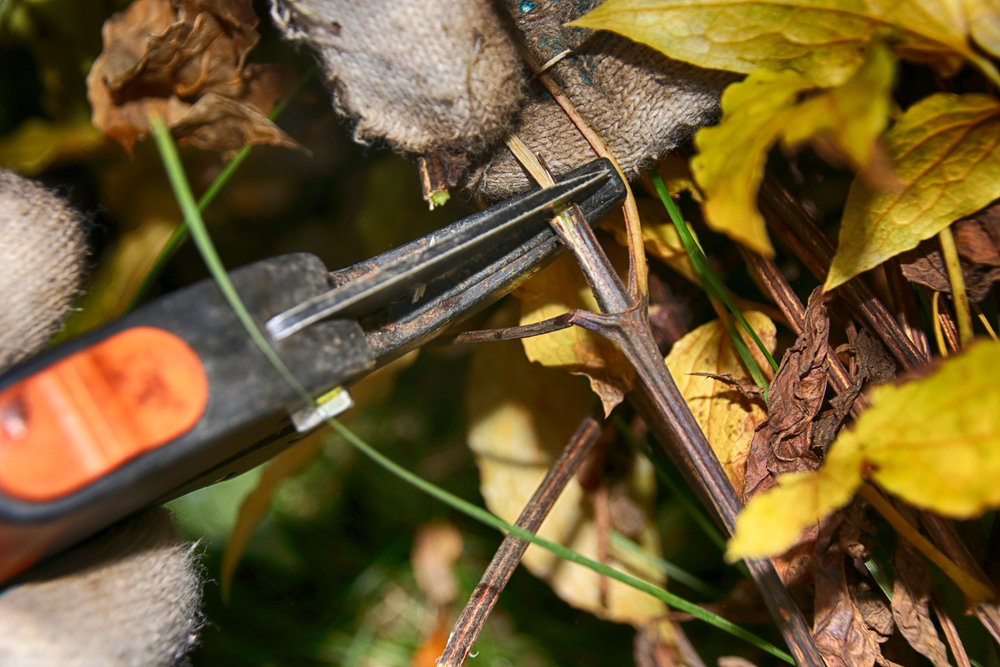
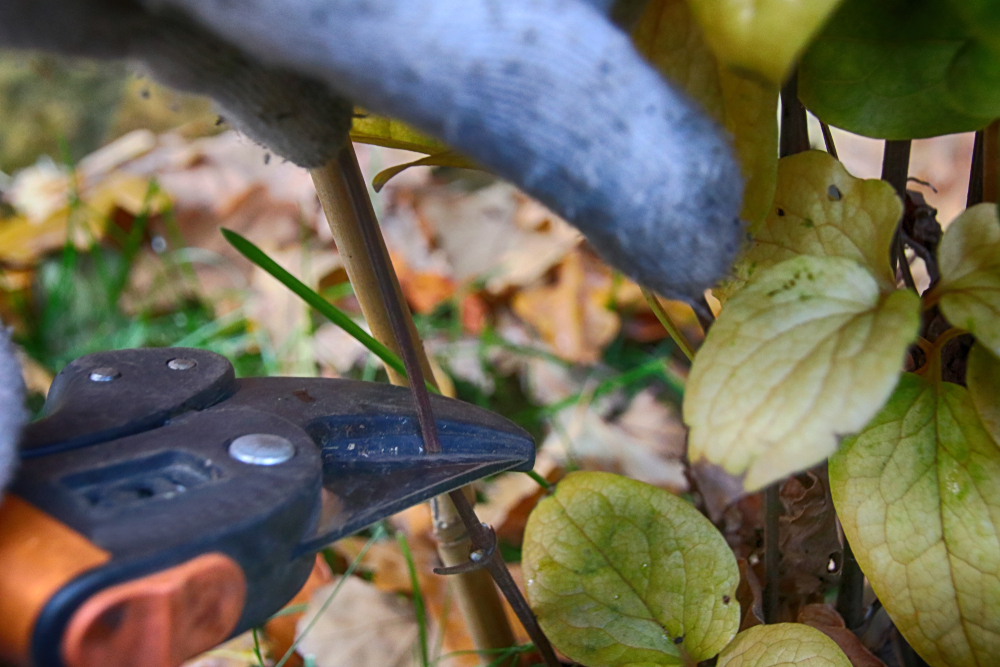
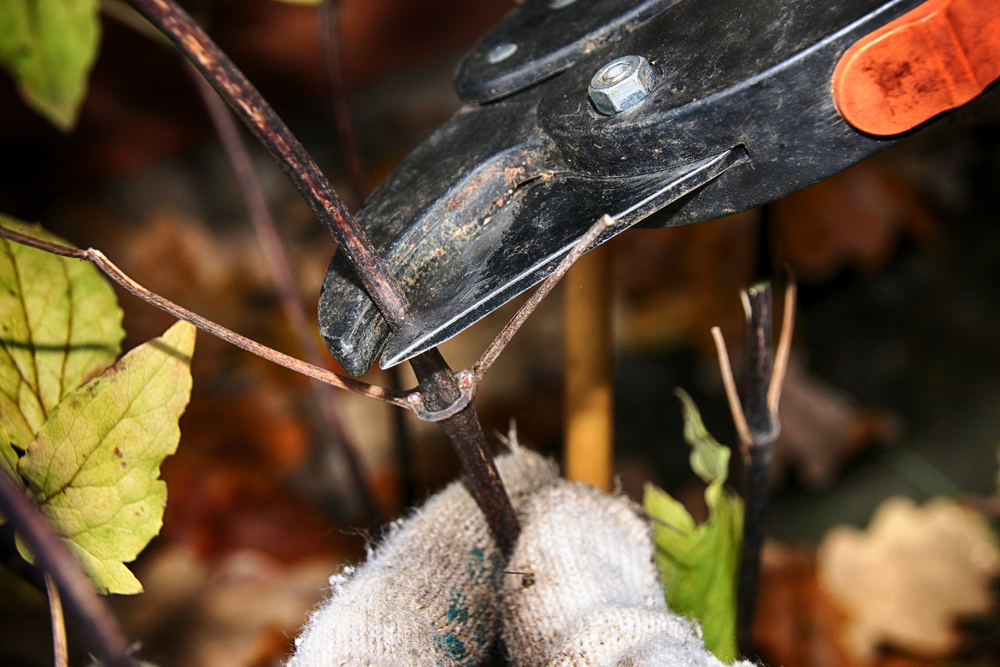
To make sure your alpine clematis bounces back and branches out beautifully, always position your shears about 2 to 3 millimeters above an outward-facing bud (or “eye”). Try to cut at a slight angle; this helps rainwater or irrigation run off the stem quickly rather than pooling on the cut. It’s a simple trick that helps prevent diseases.
Pruning Clematis montana: Age Matters
You don’t need to prune Anemone Clematis every single year while they’re young, as they can be a bit sensitive to heavy cutting. However, older plants actually *need* a regular trim after they bloom. If left alone, they tend to get “leggy” and lose their leaves at the bottom. In this case, it’s important to carefully thin out any dead wood so that nourishing light and fresh air can reach the lower parts of the plant.