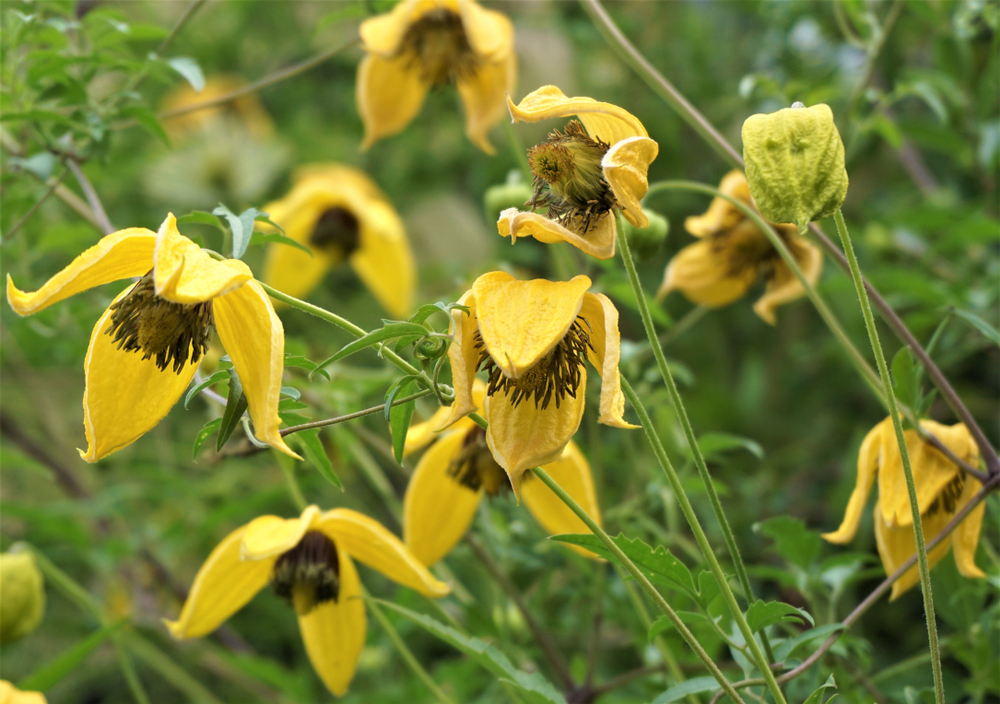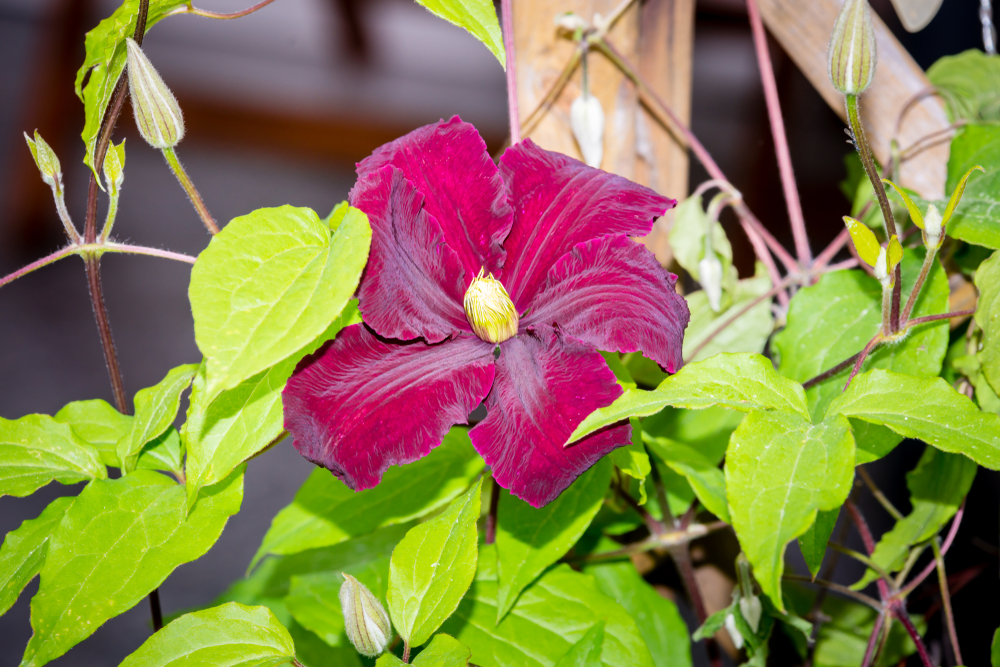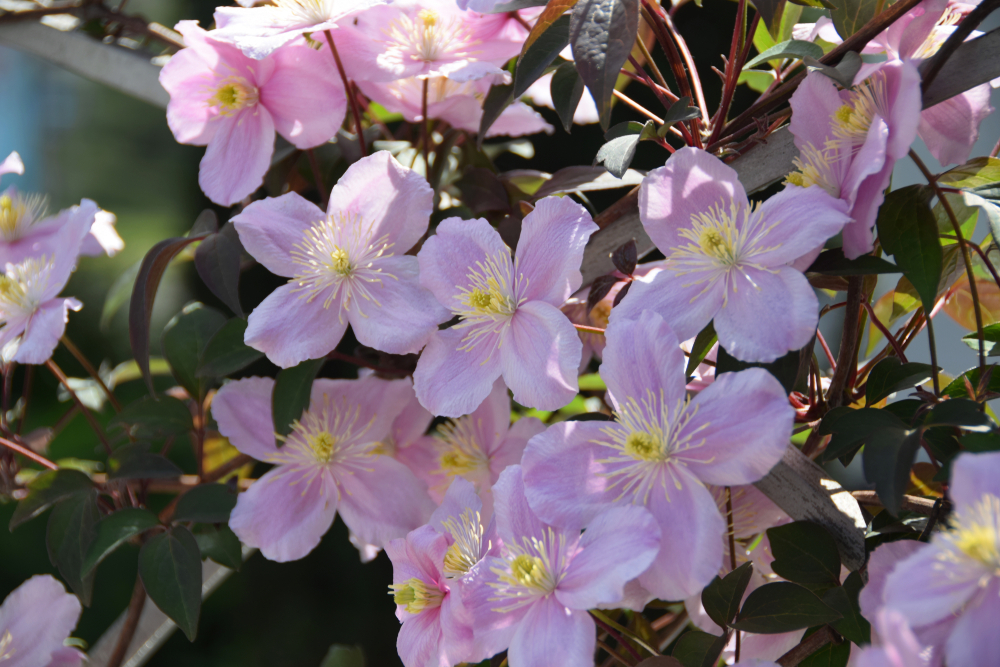
Because Clematis grow all over the globe, different varieties have adapted to all sorts of climates. This background plays a huge role in when each species decides to bloom, which in turn dictates when you should grab your garden shears. To make things easy, we categorize them into three pruning groups. Group 1 consists of the early birds—the varieties that burst into full bloom in early spring.
No Regular Pruning Required
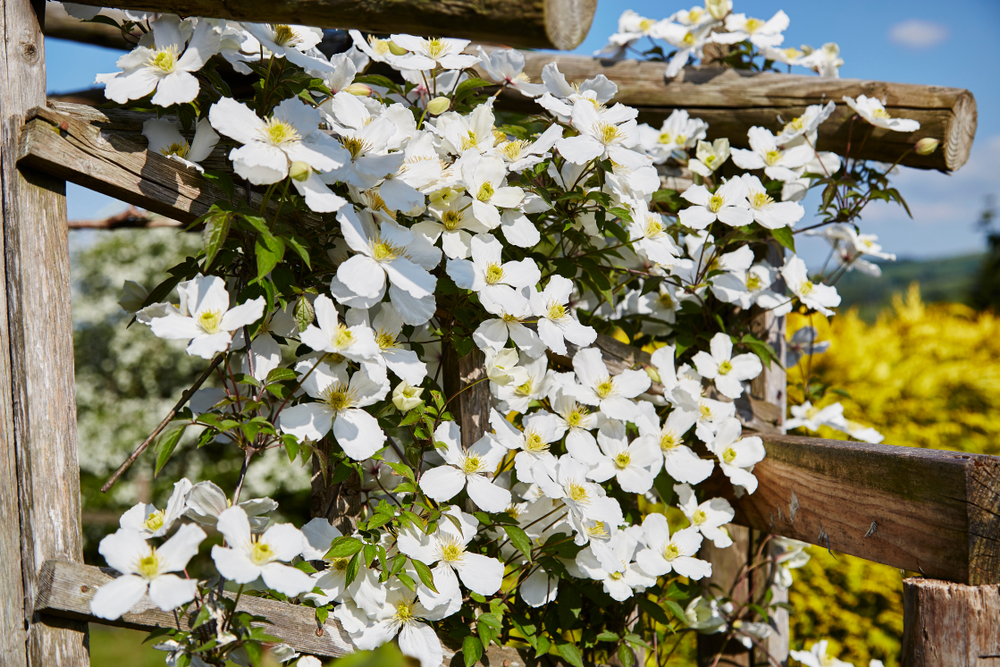
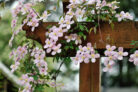
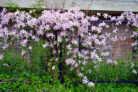
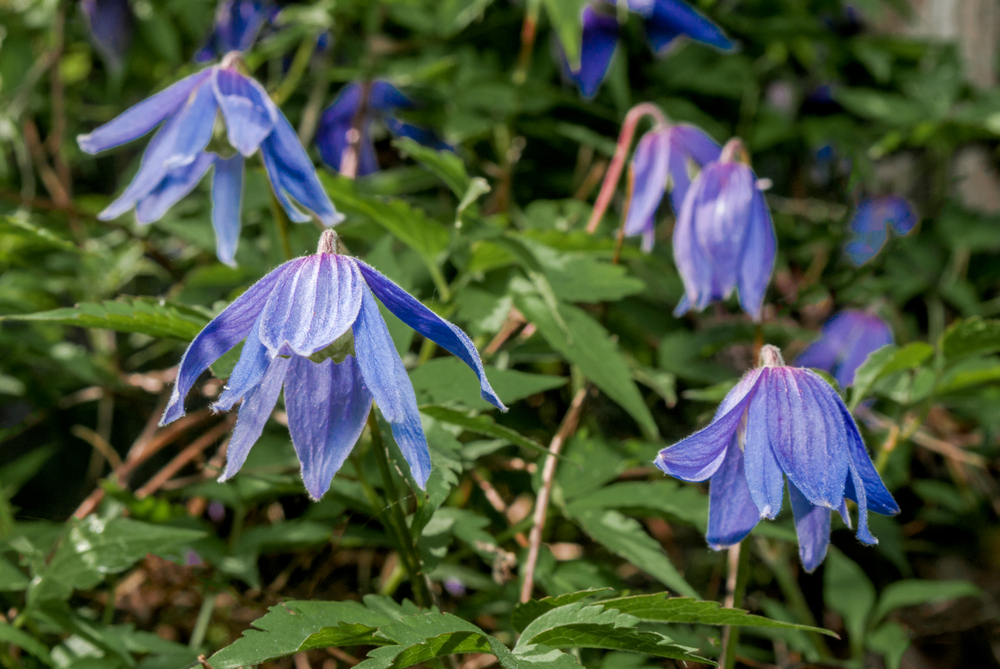
These early-blooming species are usually wilder varieties, like the Alpine Clematis (Clematis alpina) or the Anemone Clematis (Clematis montana). The great news? You generally don’t have to prune them at all! These plants are perfectly happy doing their own thing. You really only need to step in if the plant is getting a bit too unruly for your space or if you notice the flower production starting to drop off after a few years.
Timing is Everything
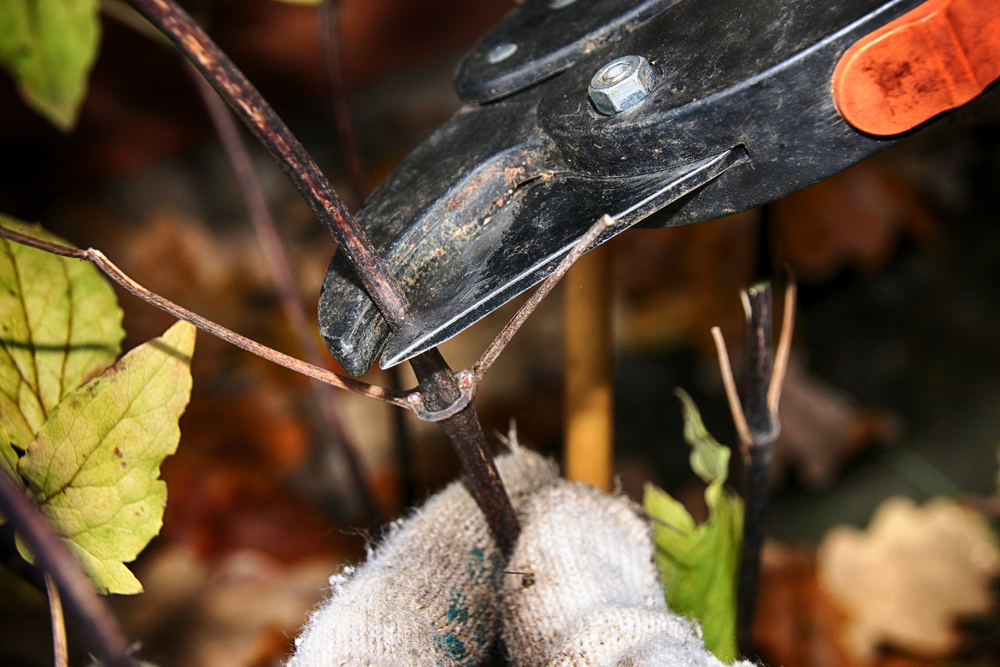
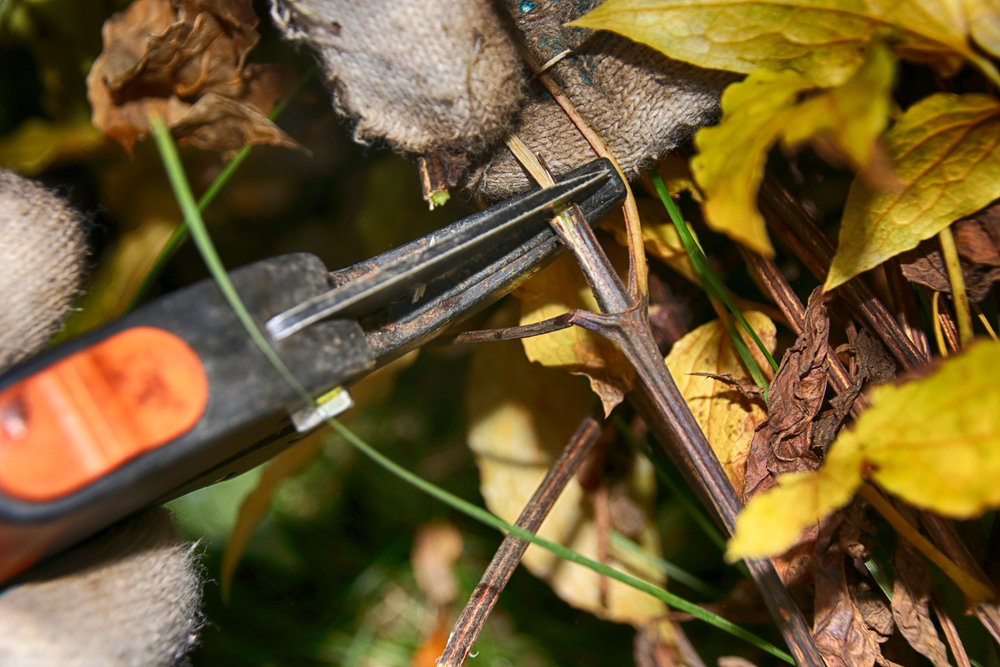
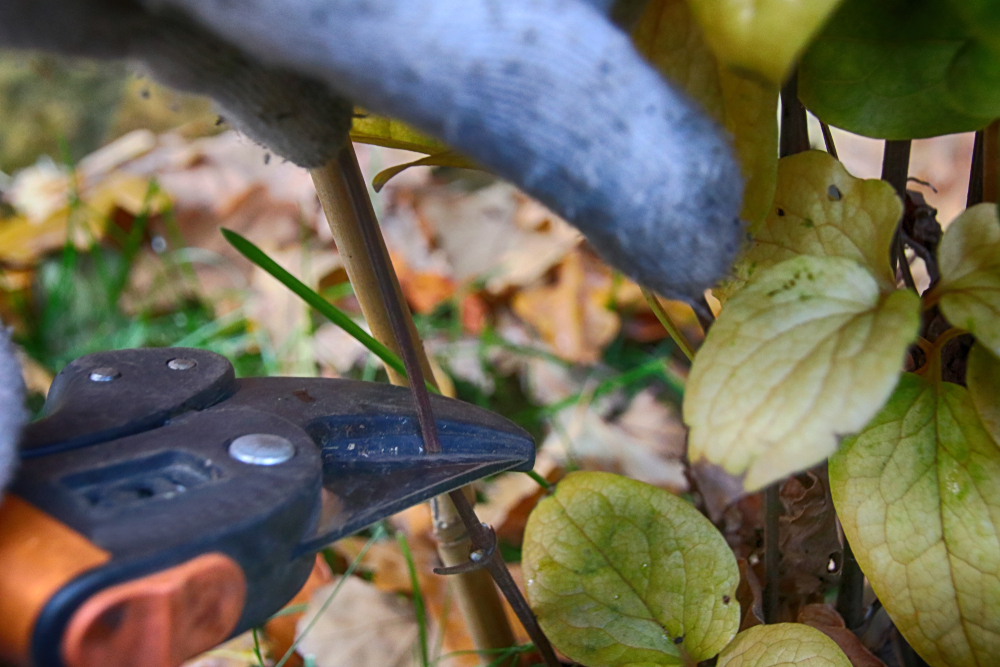
If you do decide to trim them back, timing is key. Varieties in Pruning Group 1 start developing their buds for next year during the fall. If you prune them too late in the season, you’ll accidentally snip off next year’s flowers, leaving you with a pretty bare vine come spring. The sweet spot for pruning is right after they finish blooming in May. This gives the plant plenty of time to grow fresh new shoots before the next season rolls around.
The Right Approach
When it comes to Group 1, less is definitely more. If you go too heavy with the shears, you might end up with zero flowers next year. A pro tip for managing a large vine is the “half-and-half” method: prune back one half of the stems one year, and tackle the other half the following year.
To sum up Pruning Group 1:
- Usually, no pruning is necessary.
- If you do prune, finish up by May.
- Always use a light touch.