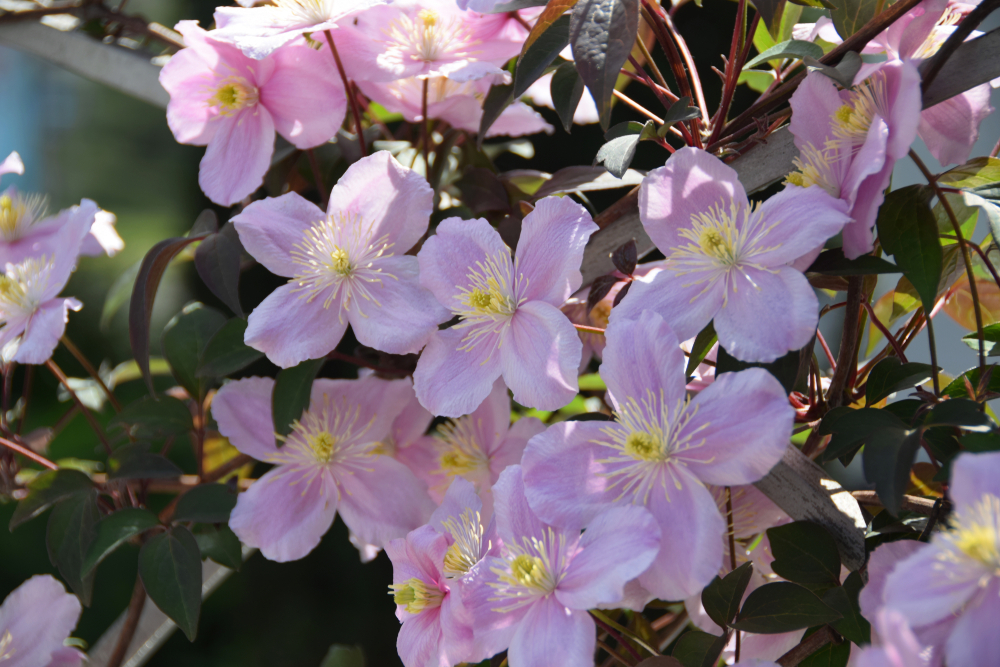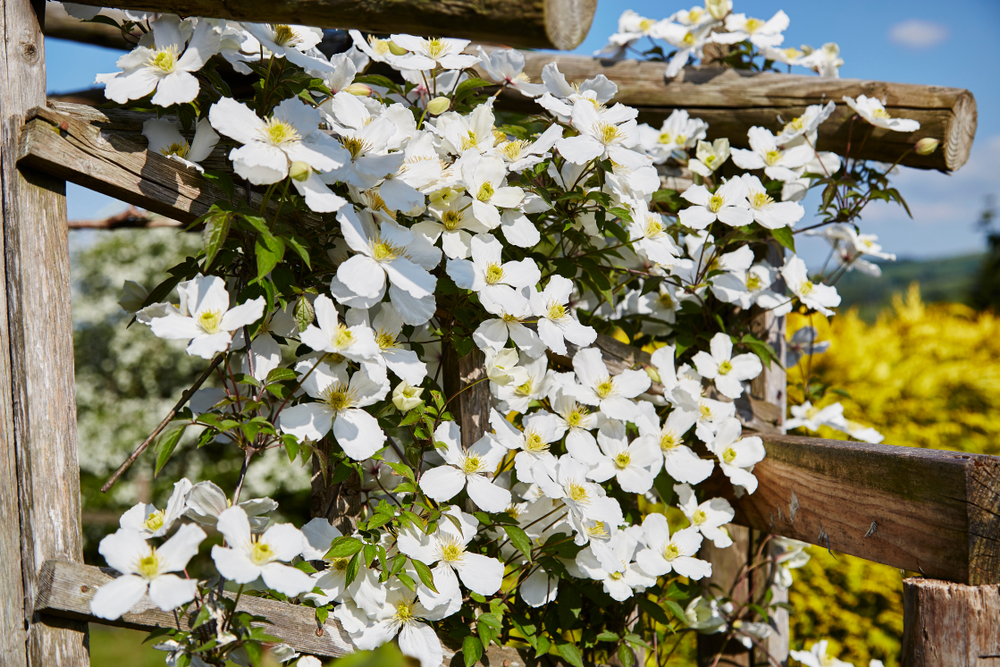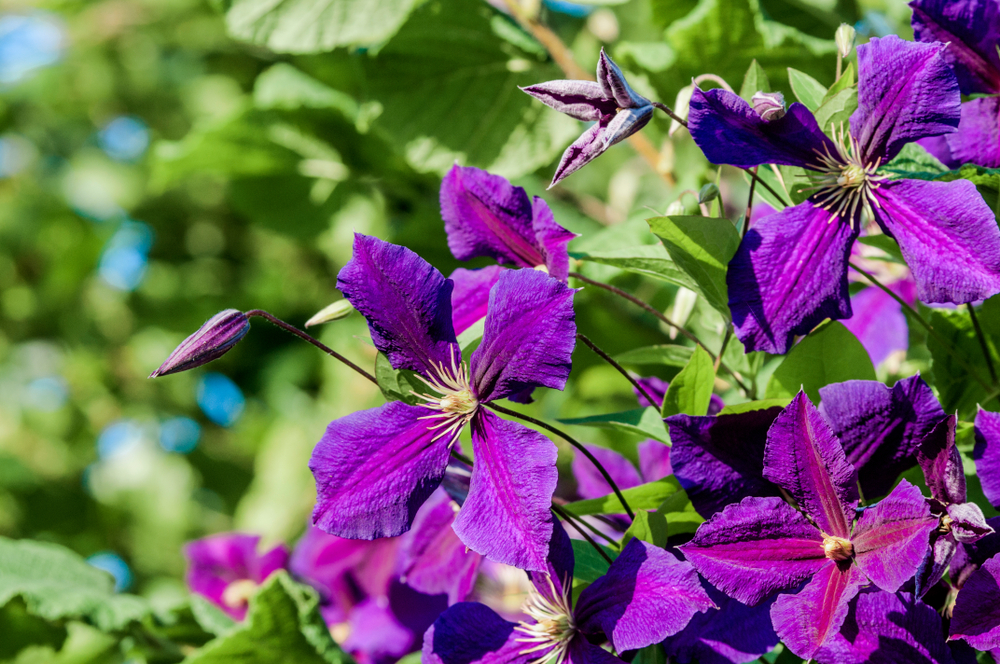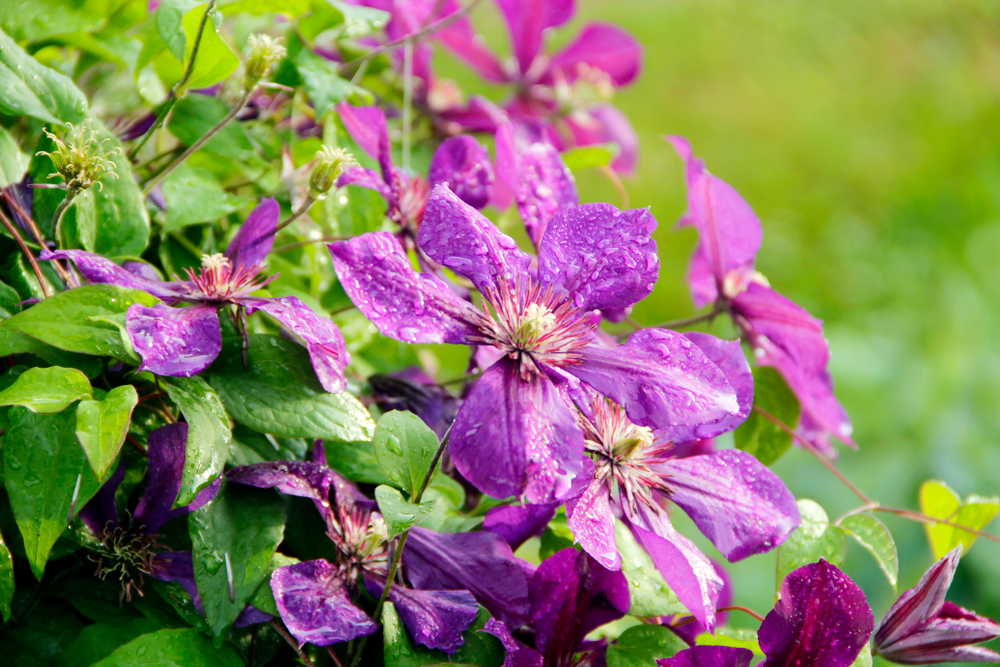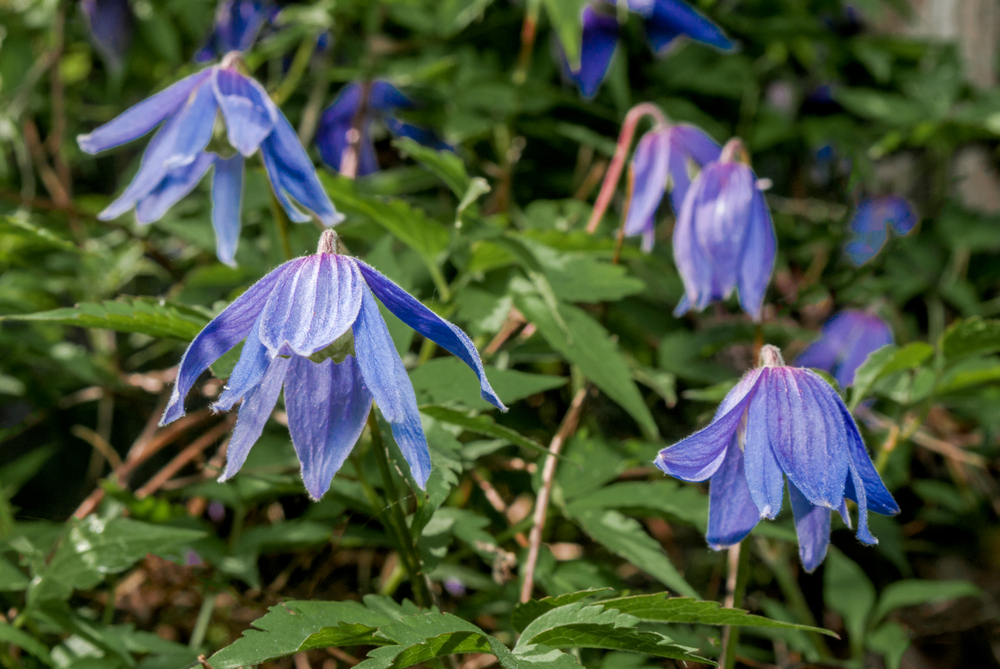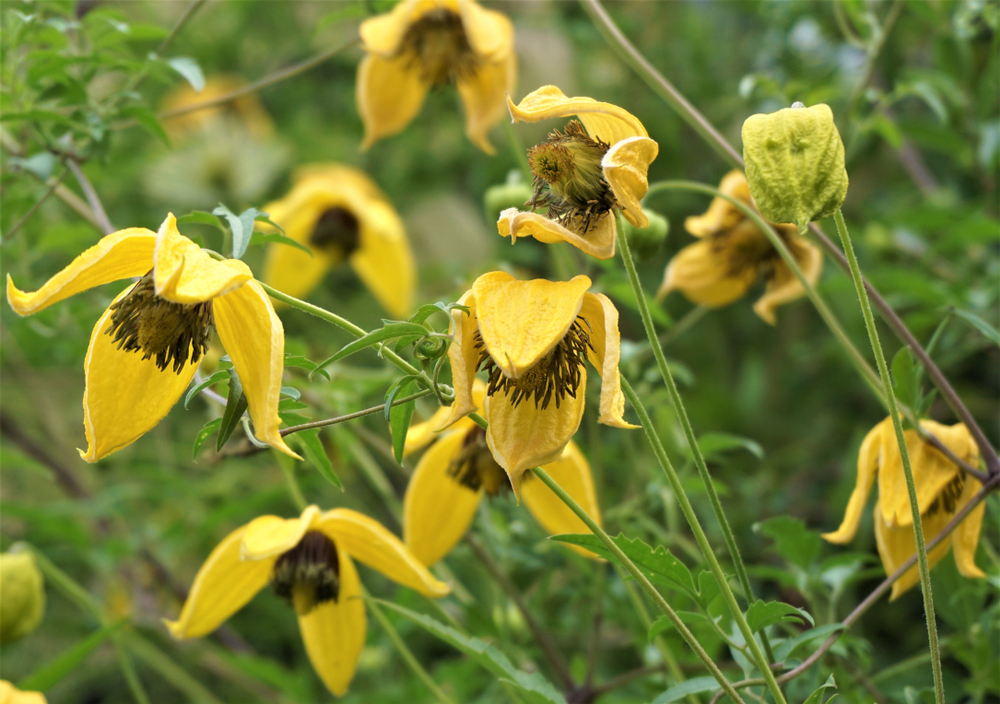
Whether you call them Clematis or “Queen of the Vines,” these stunning climbing plants are a garden favorite worldwide. With over 300 different varieties out there, you can find them growing wild everywhere from deep forests to sunny clearings. Because they’ve adapted to so many different climates in the wild, their blooming schedules are all over the map—which is exactly why knowing when to grab your garden shears is so important!
It’s All About the Timing
When a Clematis blooms tells you everything you need to know about its care. Some varieties burst into color the moment spring hits, while others wait until the tail end of summer to show off. Because of this, the “right” time to prune depends entirely on which type you have in your backyard.
Pruning Group 1
These are your early birds! This group mostly includes wild species like the Alpine Clematis (Clematis alpina) or the Anemone Clematis (Clematis montana). For the most part, these guys are low-maintenance and don’t actually *need* pruning. However, if yours is taking over the trellis or starting to look a bit thin on flowers, you can give it a trim. Just make sure to do it in May right after the flowers fade. If you wait until fall, you’ll accidentally snip off next year’s flower buds!
Pruning Group 2
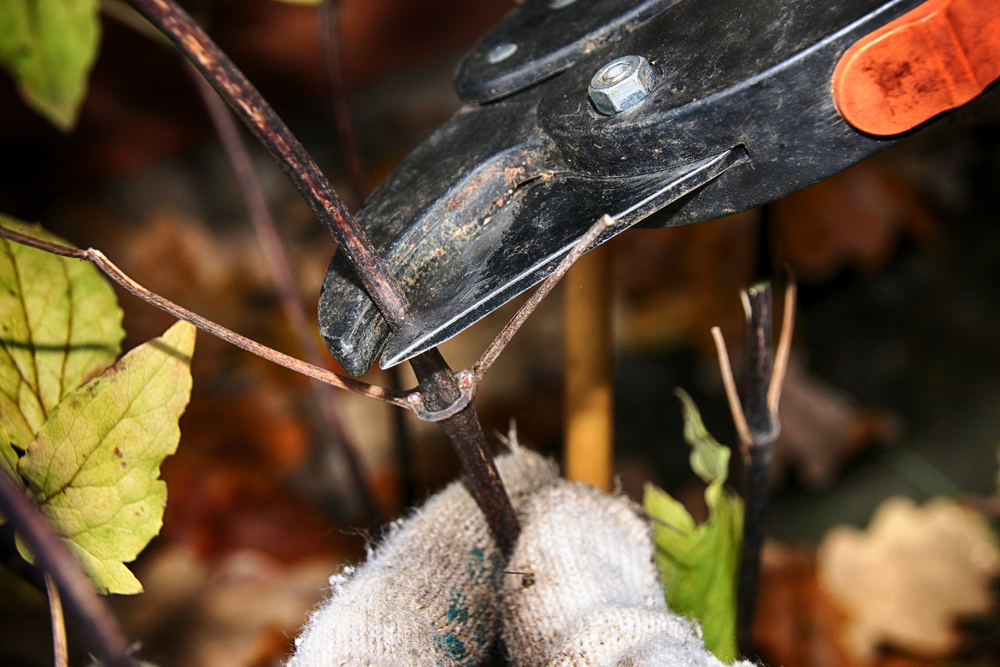
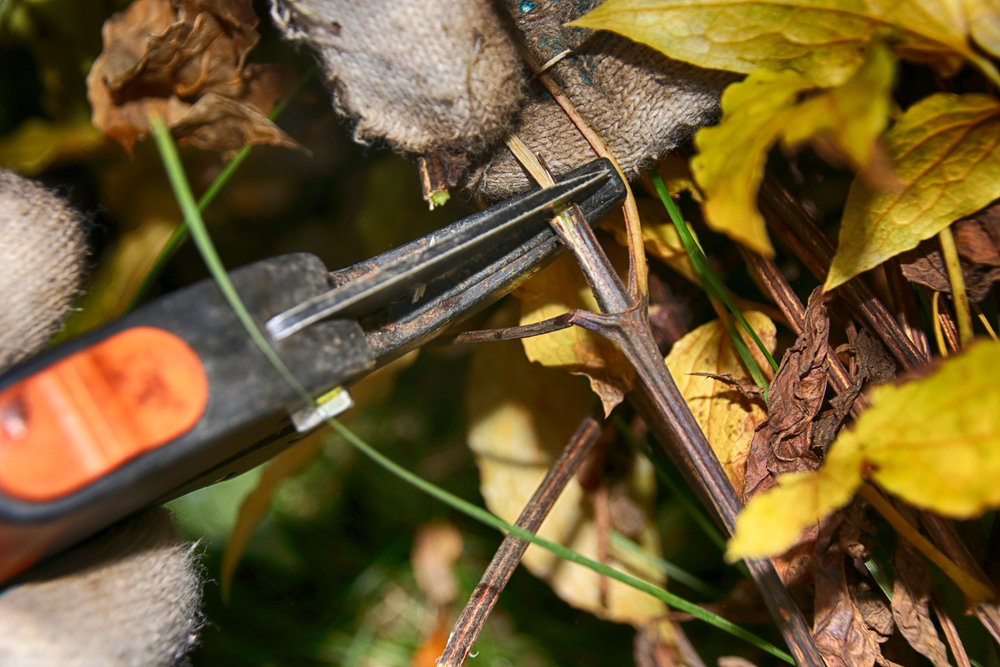
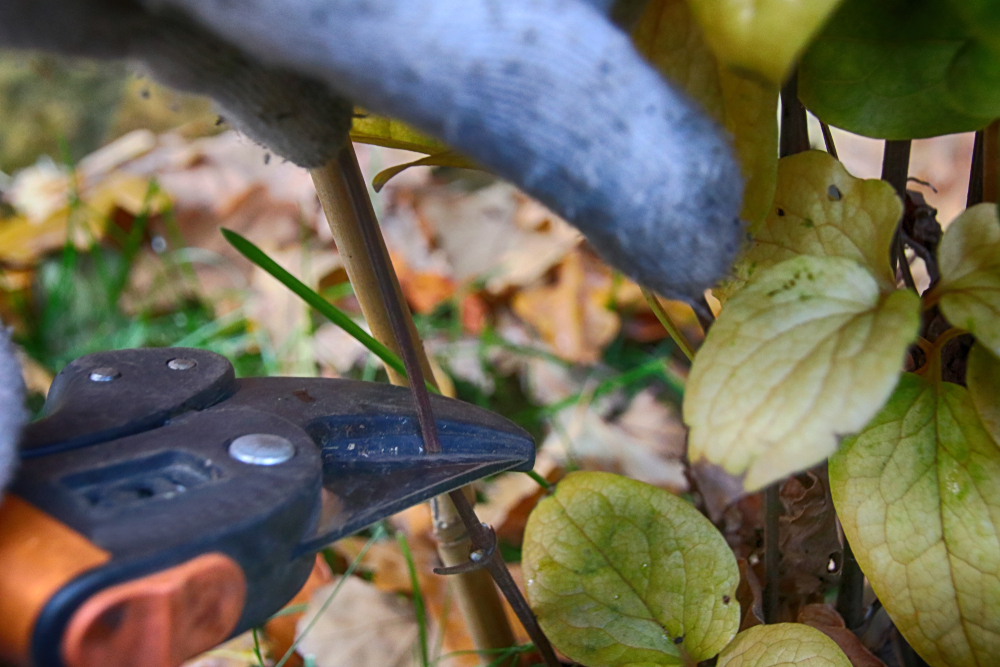
This group features those show-stopping, large-flowered hybrids that actually bloom twice a year. Gardeners used to recommend pruning these in February, but with our winters getting milder, many of us now prefer a light trim in November or December. You’ll want to cut the stems back by about half. This little “haircut” encourages vigorous new growth and ensures that second flush of flowers is extra spectacular.
Pruning Group 3
Group 3 is made up of the late-bloomers—the summer stars like the Italian Clematis (Clematis viticella), Golden Clematis (Clematis tangutica), or the Texas Clematis (Clematis texensis). These varieties need a “hard prune” to look their best. Around November or December, go ahead and cut them way back. You only need to leave about 12 to 20 inches (30-50 cm) of the main stems above the ground. It feels drastic, but trust me, they’ll come back stronger than ever!