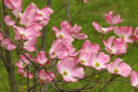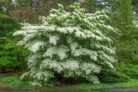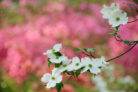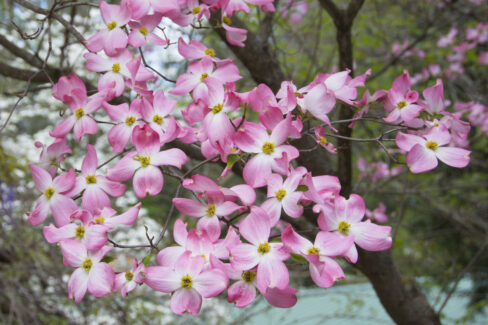
Unlike many other garden favorites, the Flowering Dogwood is a bit of a “diva” when it comes to pruning. Ideally, you should give this beauty plenty of space to stand on its own and keep the shears in the shed as much as possible. Here’s the lowdown on why these trees prefer a hands-off approach and how to handle them if you absolutely must trim.
What You Need to Know Before You Cut
Some members of the dogwood family actually benefit from a good haircut every few years. Red-twig and Yellow-twig dogwoods are the perfect examples—since their vibrant color is most intense on new growth, pruning actually helps keep them looking bright and bold.
Pruning tolerance by variety:
- Dogwoods grown for their colorful bark handle pruning very well.
- Flowering Dogwoods, however, are quite sensitive to being cut back.
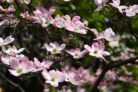
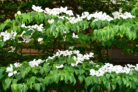
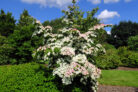
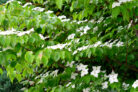
Flowering Dogwoods are a different story. When planted in the right spot, they naturally develop a gorgeous, tiered canopy and stunning blooms. Because they grow so gracefully on their own, a single tree can easily become the focal point of your yard without any help from you. If the branches start looking a bit heavy, it’s better to use a support stake rather than reaching for the saw. Generally speaking, you’ll want to avoid pruning Flowering Dogwoods whenever possible.
How to Manage the Size of Your Tree
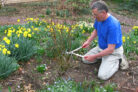
If your Flowering Dogwood is starting to take over or you’re trying to keep it a specific size, there are better ways to handle it than a radical hack-job. You can do some very light, careful thinning, but only take off a few branches at a time. Most importantly, always use sharp, sanitized pruning shears. Dirty tools can introduce diseases that a sensitive dogwood might not be able to fight off.
Keep these tips in mind:
- Only perform minimal pruning on Flowering Dogwoods.
- Consistently remove dead or damaged wood.
- Always use sharp, clean tools.
The best way to avoid a size conflict is to choose a variety that fits your space from the start. There are plenty of dwarf or smaller cultivars available. Don’t try to “stunt” a large variety by planting it in a cramped spot or a tiny container—this will just starve the tree of nutrients, and you’ll likely find that your dogwood stops blooming altogether.