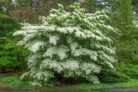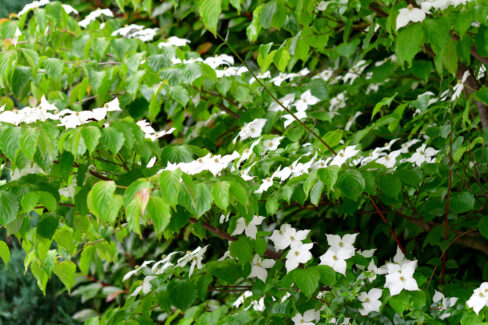
Dogwoods are incredibly tough and resilient plants. While that’s usually a good thing, it’s a different story when you actually want to get one *out* of your garden. Digging up and removing a dogwood can take a serious amount of time and elbow grease.
Why you might need to say goodbye to your dogwood
Usually, gardeners decide to remove a dogwood for one of two reasons:
- It’s taking over the yard (they can get pretty unruly!)
- It was planted in the wrong spot to begin with.
In the right location, a dogwood will grow thick and fast. Depending on the variety, they can reach some pretty surprising heights and widths. It’s not uncommon for hobby gardeners to be caught off guard by just how much space these shrubs actually need. On the flip side, if the spot is too sunny or too shady, you might find yourself needing to transplant or remove it entirely.
Watch out for those tricky root suckers
The biggest headache when removing a dogwood is its habit of sending out root suckers. Many species love to spread underground, popping up new shoots wherever they please. These suckers are a real pain during removal because if you leave even a little bit behind, the dogwood will just keep sprouting back.
The “cut and repeat” method
To get rid of the shrub for good despite those stubborn suckers, you’ll need to cut it back radically—right down to the ground—multiple times. You also have to stay on top of removing any new root shoots as soon as they appear.
Timing is everything here. Unlike your standard pruning, you definitely don’t want to do this in the winter. During the colder months, the dogwood has plenty of energy stored in its rootstock and will only grow back stronger.
Instead, wait for the warm summer months. This is when the plant is busy using its leaves to gather energy for the winter and store it in the roots. If you strip away all the leaves and branches now, the plant can’t replenish its reserves. Eventually, the dogwood will become too weak to keep sprouting.
Other removal options
If the “wait and see” approach takes too long for you, you can try digging out the roots after cutting back the top of the plant. Just a heads-up: they can go pretty deep, so get ready for a workout. Alternatively, instead of digging, you can cover the area with a heavy-duty, light-blocking weed barrier. This helps starve the roots of light and prevents new shoots from breaking through.