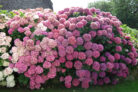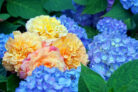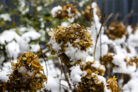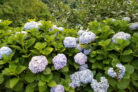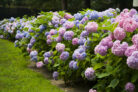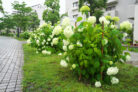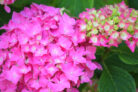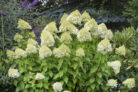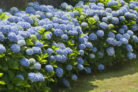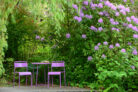
Originally hailing from Japan, hydrangeas have become a total staple in our backyards. They’re the crown jewels of traditional cottage gardens, and for good reason—even in the dead of winter, their dried flower heads add some serious visual interest to the landscape.
Finding the Perfect Spot
Bigleaf hydrangeas (also known as French hydrangeas) are happiest in a spot with partial shade and soil that stays consistently moist. Just a heads-up: they aren’t fans of “wet feet,” so make sure the area drains well to avoid standing water. You’ll also want to give them plenty of elbow room, as these beauties can easily reach up to six feet tall.
If you’ve got your heart set on a sunny location, just be prepared to put in a little extra work. Hydrangeas in the sun need a lot of regular watering to keep from wilting. Pro tip: adding a layer of mulch around the base is a lifesaver for locking in moisture.
Prepping the Soil
To get those lush blooms, your soil needs to be slightly acidic and well-draining. Moisture is key, but the texture matters too.
Here’s a fun garden science fact: the color of your hydrangea blooms actually depends on the soil’s pH level! Those iconic blue flowers only happen in very acidic soil. If you want to nudge them toward blue, you can mix in some rock flour or pine needles. Of course, the various shades of pink or white blooms are just as stunning if your soil is more neutral.
Calculating Plant Spacing
If you’re planting a hydrangea as a standalone focal point, you don’t have to worry much about spacing. But if you’re adding them to a flower bed, keep their size in mind. Depending on the variety, a bigleaf hydrangea can spread over six feet wide. A good rule of thumb is to leave a gap between plants that is roughly half of their expected mature width.
The Best Time to Plant
While bigleaf hydrangeas are fairly hardy, a hard frost can really do a number on a brand-new plant. That’s why the best time to get them in the ground is late May. By then, the danger of a late spring frost has usually passed, giving your new shrub the best start possible.
Quick Takeaways:
- Perfect for that classic cottage garden look.
- Location: Partial shade is the sweet spot.
- Soil: Slightly acidic, moist, and sandy to loamy.
- Best planting time: Late May, once the ground has warmed up.
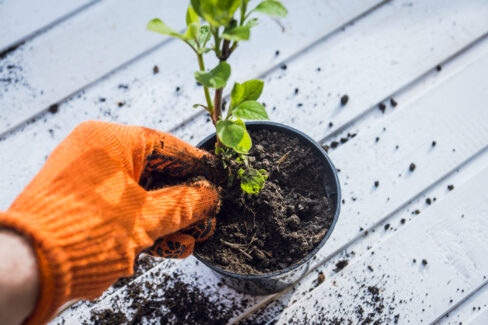
Tip: Make sure to give your newly planted hydrangea a very deep soak right after planting. The warmer the weather, the more water these thirsty plants are going to need!