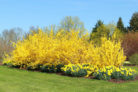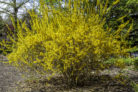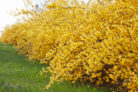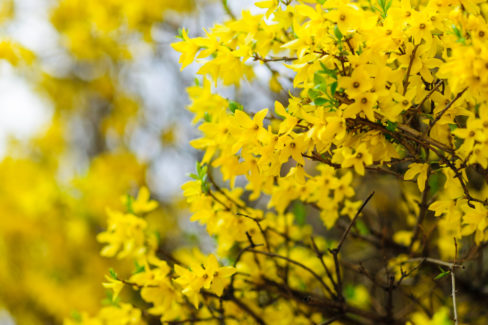
Generally speaking, the low-maintenance forsythia is a real tough cookie. With those iconic bright yellow blooms, it’s known for being incredibly hardy and resilient. It’s pretty rare for pests or diseases to move in, and even if they do, this plant usually bounces back quickly with a little TLC.
What kind of diseases should I look out for?
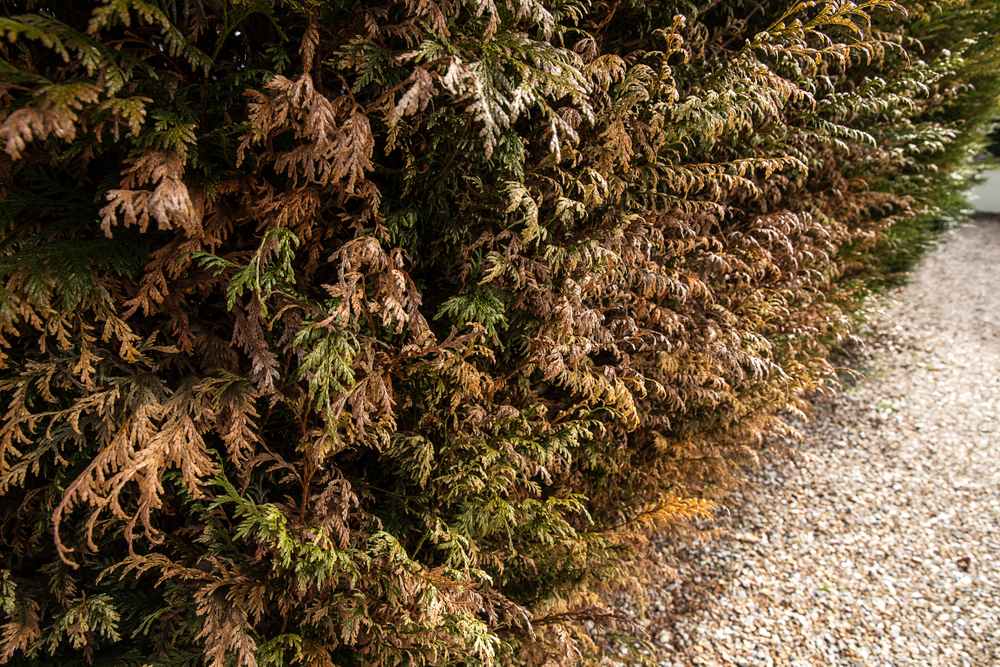
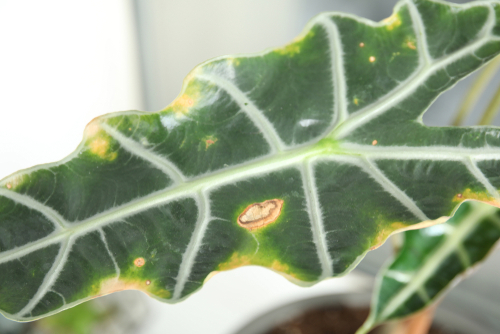
While they don’t get sick often, forsythias can sometimes deal with “Monilia” tip blight, especially in the spring. This fungus often hangs out on fruit trees and can show up in a few different ways. Usually, you’ll notice the tips of the shoots drying out and dying off. The leaves might wither, but they tend to hang onto the branch instead of falling off. Occasionally, forsythias might also deal with powdery mildew, leaf spot, or stem galls.
Which pests like to snack on forsythia?
Every once in a while, you might spot aphids, black vine weevils, spider mites, or plant bugs. For the most part, these little guys don’t do much damage. However, black vine weevils can be a bit stubborn. You’ll see them munching on the edges of the leaves, and their larvae overwinter in the soil, where they can snack on the roots.
Common Forsythia Issues at a Glance:
- Powdery mildew
- Leaf spot
- Tip blight (Monilia) in spring
- Stem galls
- Aphids
- Black vine weevils
- Spider mites
- Plant bugs
How do I treat a sick forsythia?
For most diseases, a good targeted pruning session is your best bet. Stem galls aren’t actually dangerous to the plant, but they aren’t exactly pretty to look at either. They usually show up on lower branches or older, “woody” plants. If you see them, it’s a great excuse to do some rejuvenation pruning. When it comes to pests, try to stick to organic treatments or simply pick them off by hand whenever possible.
How can I keep my forsythia healthy?
Prevention is key! Picking the right planting spot—somewhere with plenty of sun and soil that stays lightly moist—goes a long way. Making sure your plant has the right nutrients will also keep its immune system strong. If you do spot an infected branch, snip it off immediately to stop the spread. The same goes for any major pest clusters.
Pro Tip: Even though issues are rare, it’s a good habit to give your forsythia a quick check-up every now and then. Catching a problem early makes it much easier to handle and keeps it from spreading to the rest of your garden!