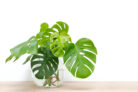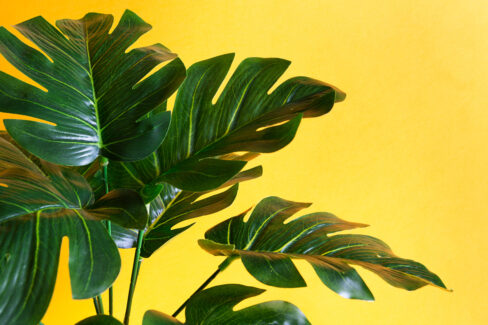
If you’re looking to bring those lush, evergreen jungle vibes into your home, you absolutely need a Philodendron in your collection. These “tree lovers” are famously easygoing, grow like crazy, and are perfect for beginners who want a big impact with little effort. However, sometimes a Philodendron can get a bit *too* enthusiastic with its growth. When it starts taking over your living room, it’s time for a little “haircut.” Here’s everything you need to know about pruning your plant like a pro.
Spring is the Sweet Spot
When it comes to reigning in your Philodendron’s growth, timing is everything. Spring is the absolute best time to grab your shears. By pruning right before the new growing season kicks off, you’re causing the least amount of stress to your plant. You’ll want to avoid heavy pruning during the peak of summer or while the plant is resting during the winter months.
Preparation and the Perfect Cut
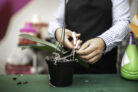
Before you start snipping away at those vines or leaves, take a second to see if a trim is actually necessary. If you have a climbing variety, sometimes you can just wrap those long trailers back around a moss pole instead of cutting them. But if your plant has officially outgrown its space, here’s how to do it right:
- Safety first: Philodendrons have a milky sap that can be irritating, so wear gloves and long sleeves to protect your skin.
- Use the right tools: Grab a sharp, sterilized knife for the softer, green stems.
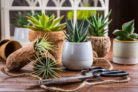
- Heavy duty: For older, woody stems or thick branches, use a clean pair of garden shears or loppers.
- Find the “eyes”: Make your cut just above a “sleeping eye” (node). This ensures the plant can bounce back and start new growth from that spot.
By the way, a “sleeping eye” is just an inactive leaf node that looks like a small bump or dot under the bark. When you prune near one of these, it “wakes up” the node, telling the plant to sprout a brand-new shoot right there.
A Big No-No: Don’t Cut the Aerial Roots
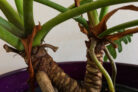
You’ll notice your Philodendron growing aerial roots—those brown, rope-like things hanging off the stems. Try to avoid cutting these unless it’s absolutely necessary. These roots aren’t just for show; they help the plant soak up moisture and nutrients from the air and act as anchors for climbing. The only time you should really prune them is if they’ve completely dried out or died.
Pro Tip: Turn Your Scraps into New Plants!
Don’t toss those cuttings in the trash! Philodendron cuttings are way too valuable to waste. Any healthy stem with at least one strong leaf can be used for easy propagation. Just pop your cuttings in water or soil, and before you know it, you’ll have a whole new batch of baby plants to share with friends (or keep for yourself—we won’t judge!).