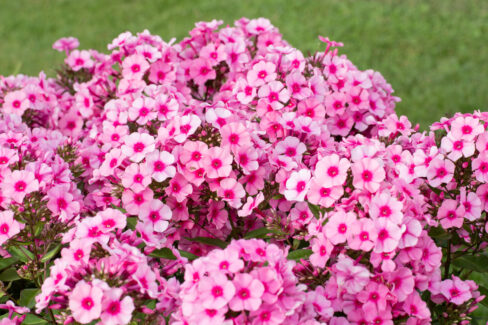
If you want your garden to be the envy of the neighborhood, regular pruning is the secret sauce for healthy, happy Phlox. Depending on what you’re trying to achieve—whether it’s more blooms or a tidier yard—your approach will change. Let’s dive into the different ways you can trim your “Flame Flowers” to keep them looking spectacular.
Why should you prune your Phlox?
There are plenty of good reasons to grab your garden shears. The most common is the standard perennial cleanup at the end of fall. This gets your Phlox ready for fresh growth in the spring and keeps your flower beds looking sharp. But that’s not the only reason to prune! You might also want to:
- Encourage a second flush of flowers
- Extend the overall blooming season
- Do some light shaping
- Snip cuttings for propagation
- Create beautiful bouquets for your kitchen table
How to prune your Phlox like a pro
The “how” and “when” of pruning really depends on your goal. Here are the main techniques every Phlox fan should know:
- The radical fall cut-back
- Deadheading (removing spent blooms)
- The “Chelsea Chop”
- A light spring cleanup
Prepping your Phlox for next year’s growth
The fall prune is a big deal. By cutting back the old stems, you’re setting your Phlox up for success next spring. After a major haircut, the plant will bounce back with vigorous new growth and a lush display of flowers. The best time for this is late fall, just before winter really settles in. Here’s how to do it:
- Gather the dried-out flower stems into small bunches.
- Gently tilt the bunches to the side.
- Snip the stems about a hand’s width above the ground.
Deadheading: Snipping off faded flowers
If you want to encourage your Phlox to bloom again, you’ve got to deadhead. Just as the first round of flowers starts to fade, cut the stems back to the first set of healthy leaves. You’ll know it’s time when the flower clusters start looking a bit wilted and tired.
Master the “Chelsea Chop”
Want to seriously stretch out your blooming season? Try the Chelsea Chop! This technique encourages a bushier plant and way more flower buds. By pruning early, you stimulate new growth; these new buds open later than the rest, extending your flower show by up to six weeks.
You’ll want to do the Chelsea Chop in late spring, before the plant starts blooming. Simply cut the outer stems back by about one-third. Be careful not to take off too much, or you might stunt the effect. You can prune all the stems if you like, but focusing on the outer ones usually gives you that nice, full, bushy look.
The gentle spring cleanup
Instead of a heavy fall pruning, many gardeners prefer a “nature-first” approach in the spring. In this case, you wait until April to snip off the dead, dried-out bits just above the new green shoots. This is great for local wildlife! The old stems provide winter shelter for beneficial insects, and any leftover seeds serve as a snack bar for hungry birds during the cold months.