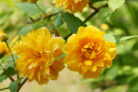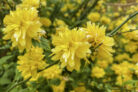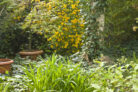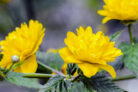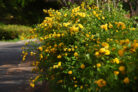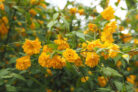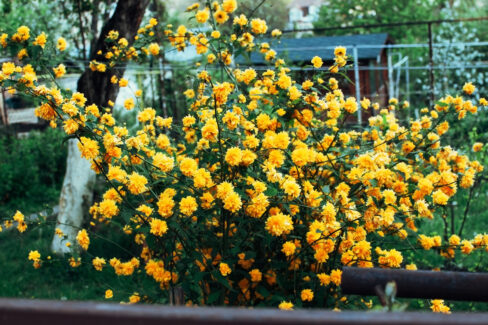
The Japanese Rose (Kerria japonica) originally hails from China and Japan, and it’s a real showstopper in the spring. Those arching branches covered in bright yellow blooms are gorgeous, but they do need a little haircut every now and then to stay looking their best.
Pruning Your Japanese Rose
The sweet spot for pruning is late spring, right after the flowers have faded. This is the perfect time to clear out old growth, diseased wood, or branches that are crossing over each other. Proper pruning doesn’t just keep the plant tidy—it actually rejuvenates it! It encourages vigorous new growth for next spring, and if you deadhead the old flowers, you might even get a second, smaller flush of blooms in the fall. Here are the best ways to tackle the job:
- Thinning out
- Rejuvenation pruning
- Hedge maintenance
- Cutting for the vase
Thinning Out
On a dry, slightly overcast day after the blooming season has ended, give your shrub a light thinning. Look for older branches, stems that are rubbing against each other, or any damaged wood. Cut these back as close to the ground as possible. You can also pluck off the spent flowers; this helps the plant put energy into a second (though slightly lighter) bloom later in the autumn.
Rejuvenation Pruning
If a Japanese Rose is left to its own devices for too many years, it can get “leggy” or woody at the bottom, meaning you’ll lose those flowers near the base. If your shrub is looking a bit rough and sparse, it might need a “hard prune.” You’ll want to do this in January or February on a day when it’s not freezing. Cut the old branches, diseased wood, and inward-growing shoots almost down to the soil line.
Fair warning: this is a radical move, and the plant will look a bit bare and awkward for a while. However, new shoots will eventually emerge from the “sleeping eyes” on the stumps. It usually takes about a year for the shrub to fully bounce back. To avoid this stress, it’s much better to stick to regular thinning every year!
Hedge Maintenance
Japanese Rose makes a fantastic flowering hedge, especially if you have a larger yard where it can grow freely. To keep that fountain-like shape, try to avoid heavy formal shaping. You want those blossoms to shine! To keep it from getting too wild, clear out deadwood in early spring and trim back overly long shoots by about a third. If you cut just above a leaf node, you’ll encourage new branches that will flower next year. Give it one more light trim in the fall to keep things tidy.
Cutting for the Vase
Those cheerful, sunny yellow flowers are perfect for bringing a bit of spring indoors. Once the buds start opening, feel free to snip a few stems for an arrangement. Don’t worry—the shrub won’t mind at all! If you leave about 4 inches (10 cm) of the branch on the plant when you cut, it will quickly sprout new growth from that spot.