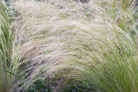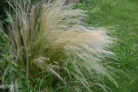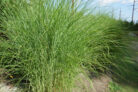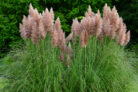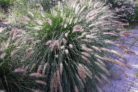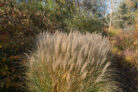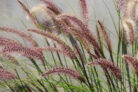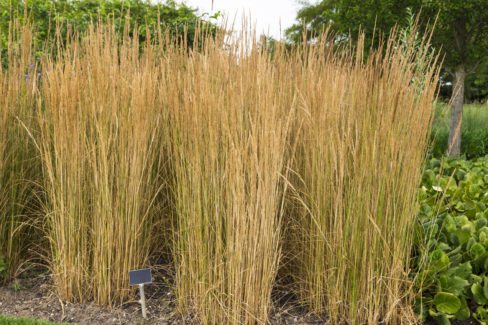
When we’re designing our gardens, it’s easy to get caught up in flower colors. But let’s be real: most blooms are fleeting. If you want your outdoor space to look polished year-round, you need some beautiful ornamental grasses to round things out. Of course, they only look their best if they’re well-maintained, and for Feather Reed Grass (Calamagrostis), that means getting the pruning right.
Timing is Everything
As spring rolls around, the garden to-do list starts growing pretty fast. However, there are a few chores you’ll want to tackle the moment winter starts to fade. Pruning your Feather Reed Grass is one of them. You want to get out there before the new growing season really kicks into gear. By giving it a good trim in February or March, you’re actually encouraging those fresh new blades to sprout, which leads to a much lusher, denser plant.
Don’t Give it a “Buzz Cut”
When you head out with your shears, the golden rule is: don’t get too radical. You want to leave about a hand’s width of the old stems standing—don’t cut them right down to the soil line. A pro tip to make the job easier is to grab the grass in bundles before you make the cut. As long as the clippings look healthy and free of pests, feel free to toss them right onto your compost pile!
Why You Should Skip the Fall Pruning
I often get asked why we wait until spring instead of just tidying up in the fall. Here’s the deal: Feather Reed Grass is a champ when it comes to freezing temperatures, but it absolutely hates “wet feet.” If the soil gets too soggy from autumn rain or melting winter ice, the plant can start to rot. Those dead stalks left standing through the winter actually act as a natural umbrella, protecting the crown of the plant from excess moisture. That’s why it’s best to leave them alone until the tail end of winter.
To wrap it up, here’s your quick cheat sheet for pruning Feather Reed Grass:
- Aim for February or March.
- Leave about 4 to 6 inches (10-15 cm) of stubble.
- Whatever you do, don’t prune in the fall!