To grow big and strong, every plant needs the right fuel. Even the hardy, low-maintenance Chinese Silver Grass (Miscanthus) appreciates a little nutritional boost now and then. Here’s the lowdown on when and how to feed your ornamental grass to keep it looking its best.
Spotting the Need
Before you grab the fertilizer, you’ve got to figure out if your plant actually needs it. Believe it or not, over-fertilizing often does more harm than good. This is especially true during the first year—hold off on the nutrients then! Extra fertilizer early on just encourages weeds to move in, and your young Silver Grass isn’t quite strong enough to win that turf war yet.
If your grass is in a sunny spot with healthy soil, you can usually skip the fertilizer altogether. However, since your garden is always changing, it’s a good idea to keep an eye on your plants and step in if they look hungry. Here is how to tell if you’re dealing with:
- A nutrient deficiency (under-feeding)
- Nutrient overload (over-feeding)
Under-feeding
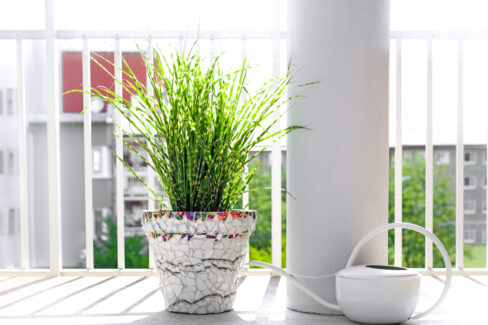
It’s pretty rare for Silver Grass planted in the ground to run out of nutrients. Container plants, on the other hand, are a different story—they have a much higher demand for “food” and are way more prone to deficiencies.
You’ll know your plant is hungry if its growth slows down or if you notice “chlorosis.” This is just a fancy word for yellow spots on the leaves. Young shoots and old leaves usually show these signs first. If you don’t step in, those leaves will eventually turn brown and die off.
Not all fertilizers are created equal. Your best bet is an organic fertilizer specifically designed for bamboo or ornamental shrubs. Wood ash from your fireplace or fresh compost also works wonders. Stay away from manure or slurry, though—they aren’t the right fit here. Even if your plant looks hungry, remember to take it easy; a little goes a long way!
Over-feeding
Too much of a good thing can actually kill your plant. You’ll know you’ve gone overboard if you see:
- Brown, crispy leaf tips
- Floppy stems (the plant grows fast but loses its stability)
- Fungal issues, like rust
If you see these signs, dial back the dosage immediately. You might even need to take a total break from fertilizing to let the plant recover.
Timing is Everything
For Silver Grass planted in your garden beds, the best time to fertilize is in the spring, continuing through early summer. If you’re growing your grass in pots, it’s going to be much hungrier. In that case, I recommend giving it a little dose of liquid fertilizer once a month to keep it happy.