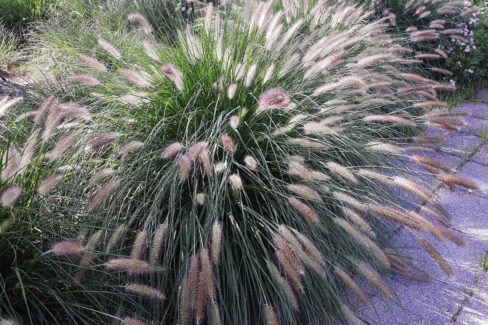
Part of the Poaceae family, Fountain Grass (Pennisetum) originally hails from the sunny lowlands of Asia and Australia. Thanks to its gorgeous ornamental look and impressive frost tolerance, it’s become a huge favorite in American backyards since the mid-20th century. In this post, I’m sharing some of my favorite care tips to help your Fountain Grass truly thrive.
Watering and Fertilizing: Less is More
If your Fountain Grass is planted in the garden, just water it as needed—usually when the soil feels noticeably dry after a scorching summer day. However, if you’re growing it in containers, you’ll need to check on it more often (use the thumb test!) since pots hold less water-storing soil. Pro tip: It’s always best to water in the evening.
When it comes to food, Fountain Grass is a pretty low-maintenance guest. In fact, it’s quite sensitive to over-fertilizing. If you get too generous with the nutrients, you’ll likely see the leaves start to turn yellow.
Wait a few months after planting before giving it any standard green plant fertilizer. And honestly? Be stingy with it! Half the dose recommended on the package is usually more than enough.
Dividing and Transplanting Like a Pro
Over the years, Fountain Grass can grow into massive clumps that might start crowding out its neighbors. When that happens, it’s time to divide your Pennisetum. Here’s how:
- Cut back the dried stalks to about a hand’s width above the ground.
- Dig up the entire clump with a spade.
- Use your shovel blade to split the root ball into three or four pieces. If you’re dealing with a real monster of a plant, don’t be afraid to break out an axe or a saw!
When you replant, mix a little compost into the soil and give it a good soak. This gives the plant some “breathing room” and helps it settle into its new home without a hitch.
The Big Trim
Hold off on pruning your Pennisetum until April. Those dried stalks actually provide a cozy winter habitat for local garden critters! When spring arrives, cut the stems back to about four inches (10 cm) above the ground. This clears the way for fresh new growth and keeps the plant healthy.
Winter Protection
Fountain Grass is a tough cookie and usually doesn’t need extra help in milder climates. However, if you live somewhere with biting frosts, it’s a good idea to protect it with some evergreen boughs or garden fleece.
For potted plants, move them into a bright, unheated, but frost-free room for the winter. If that’s not an option, wrap the pot in several layers of winter fleece and tuck it into a sheltered corner of your patio.
One big no-no: Never use plastic wrap or airtight materials. They trap moisture, which is a one-way ticket to rot and mold.
Pests and Diseases
The great news is that Fountain Grass is incredibly hardy. Occasionally, you might run into rust fungi, but that’s easily handled with a standard fungicide from your local garden center.
Quick Tip: If your Pennisetum doesn’t sprout in the spring, it’s usually because the ground was too wet over the winter. To protect the root crown from excess moisture, try tying the grass together at the top like a ponytail before winter hits!