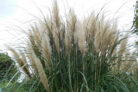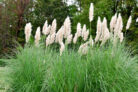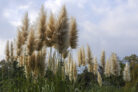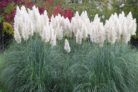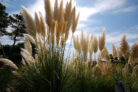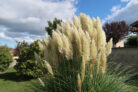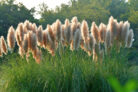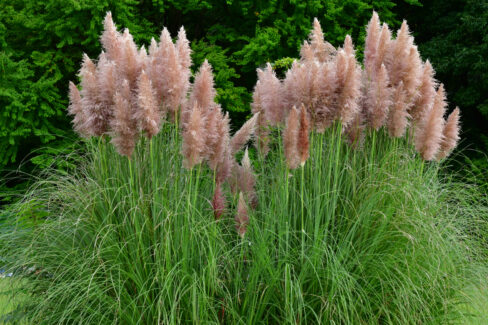
When you’re dealing with plants from warmer climates, the big question is always: “Will this survive a chilly winter outside?” If you’re eyeing those gorgeous varieties of pampas grass, I’ve got good news for you—the answer is a definite yes! Even though these ornamental grasses originally hail from South America, they’re surprisingly tough when the temperature drops. And yes, that includes the stunning Pink Pampas Grass.
-Spring is the best time to plant
Because it’s so hardy, Pink Pampas Grass can stay right where it is in your garden all winter long. Even long stretches of frost usually aren’t a big deal. This is especially true if you planted it in the spring, giving it plenty of time to get settled and establish itself in its new home.
Wet feet are worse than cold toes
Once the root ball (or “clump”) of your pampas grass is well-established, freezing temperatures won’t bother it much. The real enemy? Mild, soggy winters. If the soil stays too wet, Pink Pampas Grass can quickly develop root rot. If that spreads, it’s game over for the whole plant. So, when we talk about “winter protection” for pampas grass, we’re actually talking more about keeping it dry than keeping it warm. Here’s what you should do:
- Don’t prune the stalks in the fall. If you absolutely must, leave at least 20 inches (half a meter) of height.
- Tie the stalks together at the top to create a “teepee” shape. This helps shed water away from the center of the plant.
- Use garden twine, raffia, or coconut fiber to tie them up.
Protecting your potted plants
If you’ve got Pink Pampas Grass growing in containers on your patio or balcony, you need to be a bit more careful. Since the roots aren’t insulated by the ground, they’re much more vulnerable to freezing. Your best bet is to move your pots to a cool, frost-free spot indoors (like a garage or basement) until spring rolls around.