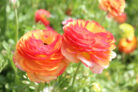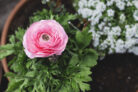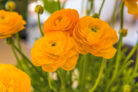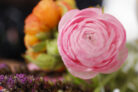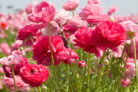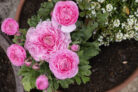
You don’t strictly *have* to prune ranunculus, since the flowers and leaves naturally die back as we head into fall. However, if you want to keep your plants looking sharp and healthy, a little regular grooming goes a long way.
Why should you prune ranunculus?
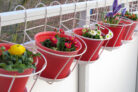
During the growing season, a few quick snips here and there help keep your ranunculus in top shape. This is especially true for container-grown plants, which can start looking a bit “tired” after that first big flush of blooms. By regularly removing wilted leaves and spent flowers, you’re essentially giving the plant a mini-makeover. Not only does this keep things looking fresh, but it also helps prevent fungal diseases that love to settle on soggy, drooping foliage. Plus, deadheading (removing old blooms) actually encourages the plant to produce even more flowers! Ranunculus typically bloom through April, May, and June, and you can stretch that season out by staying on top of your pruning. By quickly removing faded flowers, you stop the plant from putting energy into seed production and redirect that power back into new buds and lush leaves.
Cutting for the Vase
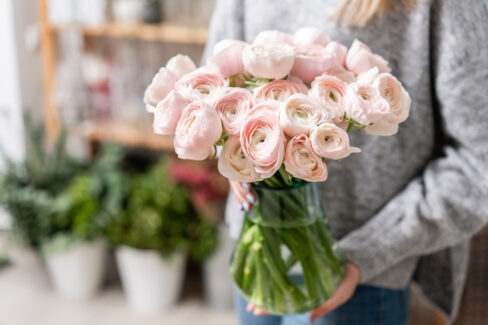
Ranunculus are absolute superstars in the world of spring flowers. Whether they are fully double, semi-double, or single blooms, they look incredible in a bouquet—either mixed with other spring favorites or standing alone in their colorful glory. When cutting for a vase, try to get the longest stem possible. The best time to snip is when the flower is still in the bud stage but showing color. Give the stems a fresh diagonal cut and get them into water immediately to keep them hydrated.
A Quick Safety Warning
As beautiful as they are, ranunculus are part of the buttercup family (Ranunculaceae), which means they are toxic. They contain a substance called ranunculin, which is released whenever you cut the stems or pick the flowers. This can cause skin irritation on contact, and if any part of the plant is ingested, it can lead to some pretty nasty symptoms, such as:
- Diarrhea and vomiting
- Stomach cramps
- Dizziness
- Headaches
- Fainting
These toxins affect both humans and pets, so it’s important to play it safe. Here are a few tips for handling them:
- Always wear gardening gloves when working with ranunculus to avoid skin rashes.
- If you do work with them bare-handed, make sure to wash your hands thoroughly afterward.
- It’s best to toss your clippings directly into the trash rather than the compost.
- If you notice any diseased parts (powdery mildew is a common culprit), snip them off immediately and dispose of them in the trash.
- Keep your furry friends away from these plants to ensure they don’t take a nibble!